











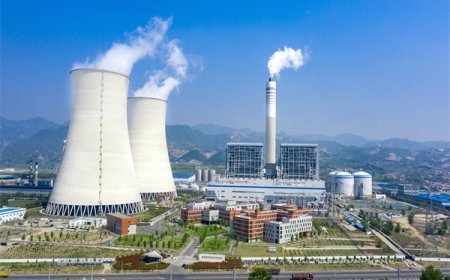








Different Use Cases of Air Circuit Breaker and VCB Circuit Breaker

Electrical power systems require dependable protection and switching equipment to manage high electrical loads and respond to fault conditions. Large commercial facilities, industrial plants, infrastructure projects, and power distribution installations can involve substantial currents and complex electrical networks. An air circuit breaker can be used for controlling and protecting suitable low-voltage power distribution systems, while a vcb circuit breaker is commonly applied in medium-voltage electrical installations. Understanding their different use cases helps electrical professionals select appropriate equipment based on voltage levels, current requirements, fault conditions, operational needs, and the overall design of the electrical installation.
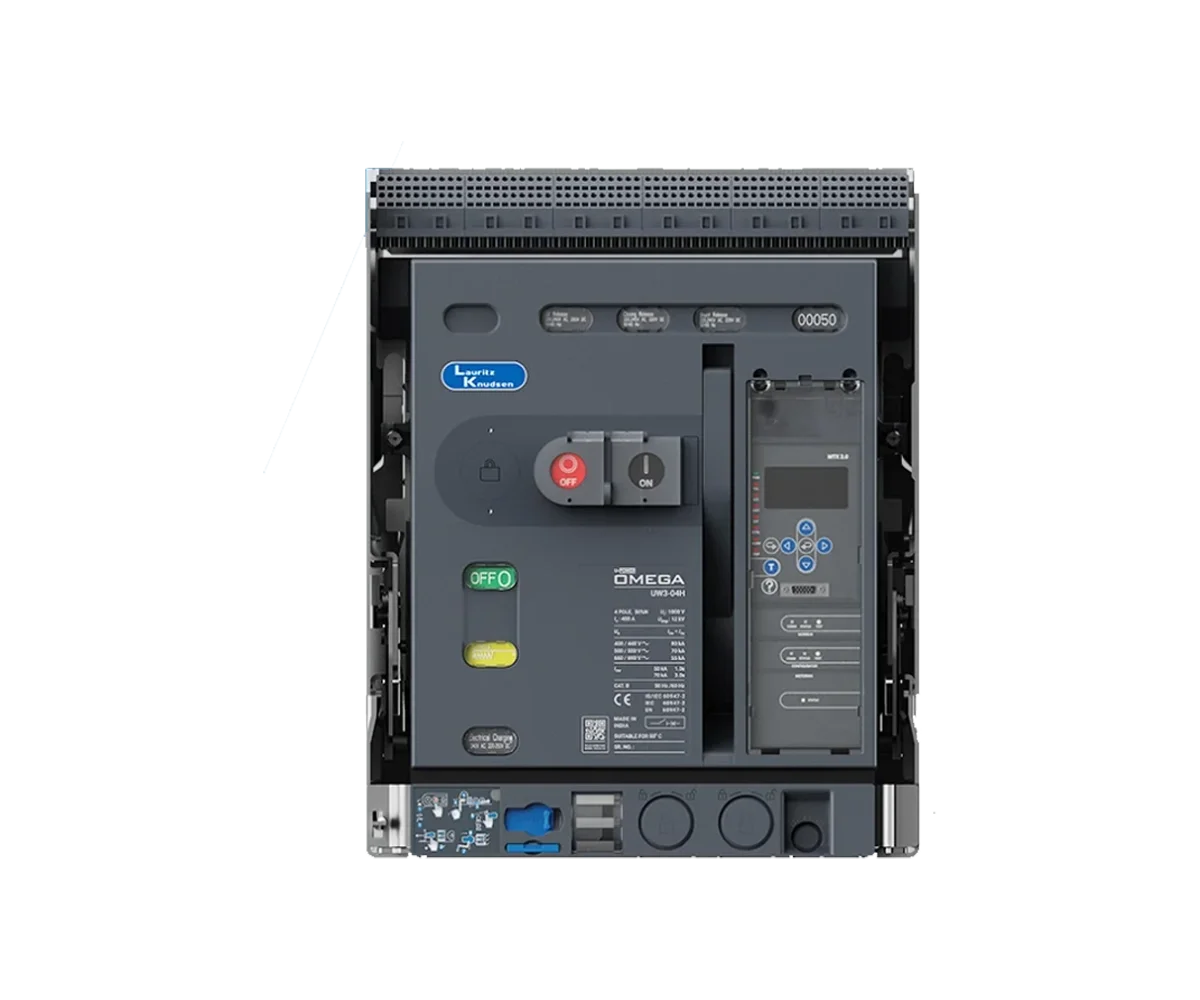
Protecting Low-Voltage Power Distribution Systems
Large electrical installations often require protection for incoming supplies, busbars, feeders, and outgoing circuits. These systems can carry significant currents and may require circuit breakers capable of interrupting faults while supporting normal switching operations.
An air circuit breaker is commonly used in suitable low-voltage power distribution applications. It can serve as an incoming or outgoing breaker within a distribution system, depending on the installation design.
Common applications include:
- Main incoming power supplies
- Distribution panels
- Bus couplers
- Large outgoing feeders
- Industrial power systems
- Commercial electrical installations
Its selection depends on factors such as rated current, voltage, breaking capacity, and the requirements of the electrical network.
Medium-Voltage Power Distribution
Medium-voltage systems require switching and protection equipment designed for their particular electrical characteristics. These systems may be used to distribute power across industrial facilities, infrastructure installations, and other large electrical networks.
A vcb circuit breaker uses a vacuum as the interrupting medium. When the breaker opens, the vacuum helps interrupt the electrical current and extinguish the arc.
Such breakers can be suitable for applications involving:
- Medium-voltage feeders
- Distribution substations
- Industrial electrical systems
- Transformer feeders
- Motor feeders
- Medium-voltage switchgear
The specific voltage and current ratings should always match the requirements of the electrical installation.
Industrial Manufacturing Facilities
Manufacturing facilities can contain numerous electrical loads, including motors, pumps, compressors, processing machinery, lighting systems, and auxiliary equipment. A fault in one section can potentially affect other parts of the electrical network if protection is not appropriately coordinated.
An air circuit breaker can be incorporated into suitable low-voltage sections of an industrial distribution system. It can provide switching and protection for main supplies and high-current feeders.
Potential applications include:
- Main electrical panels
- Production-area feeders
- Large motor supplies
- Auxiliary distribution
- Industrial utility systems
Proper protection coordination can help ensure that the appropriate circuit interruption occurs during specified fault conditions.
Transformer Protection and Switching
Transformers are important components in electrical distribution networks because they allow electrical energy to be transferred between different voltage levels. Their associated feeders require suitable switching and protection arrangements.
A vcb circuit breaker can be used on appropriate medium-voltage transformer feeders. It can provide a means of switching the feeder and interrupting fault currents within its specified capabilities.
Important considerations include:
Voltage Level:
The breaker should correspond to the operating voltage of the system.
Fault Level:
Its interrupting capability should be appropriate for the prospective fault current.
Load Characteristics:
The connected transformer and downstream loads should be considered during system design.
Protection Coordination:
The breaker should work appropriately with other protective devices in the network.
Commercial Building Power Systems
Large commercial buildings can have substantial electrical requirements because of lighting, air-conditioning, lifts, pumps, ventilation systems, and other services. Larger buildings may therefore require structured electrical distribution arrangements with appropriately rated protection.
An air circuit breaker can be used in suitable low-voltage main distribution applications. It may be positioned at an incoming supply or feeder section according to the electrical design.
Possible uses include:
- Main distribution boards
- Building service feeders
- Large electrical loads
- Generator-related distribution
- Busbar sections
The exact configuration depends on the building's electrical load, supply arrangement, and protection requirements.
Industrial Motor Feeders
Large motors can require considerable electrical power, particularly in industrial environments. Applications may include pumps, compressors, fans, conveyors, and processing equipment.
Medium-voltage motors may require specialised switching and protection arrangements. A vcb circuit breaker can be used in appropriate motor-feeder applications where its electrical ratings and protection characteristics match the system.
It can provide a controlled method for connecting or disconnecting the motor supply and can form part of the overall protection arrangement.
Motor protection should also consider factors such as:
- Motor rated current
- Starting characteristics
- Operating frequency
- Fault levels
- Protection coordination
- Installation conditions
Infrastructure and Utility Installations
Infrastructure projects can contain extensive electrical networks serving pumps, lighting systems, ventilation, control equipment, and other utility functions. Some installations can operate continuously and require dependable switching and protection.
Depending on the voltage level, suitable circuit breakers can be incorporated into the electrical distribution system. Low-voltage sections may use air-based breakers, while medium-voltage sections may require vacuum-interruption technology.
These arrangements can support applications such as:
- Water and pumping facilities
- Transportation infrastructure
- Large utility installations
- Industrial infrastructure
- Public electrical facilities
Equipment selection should be based on the technical characteristics of each electrical network.
Generator and Main Supply Applications
Generators can serve as primary or backup sources of electrical power. Their output may need to be connected to a main distribution system through appropriately rated switching and protection equipment.
An air circuit breaker can be used in suitable low-voltage generator applications. It can provide switching and protection between the generator supply and connected distribution network.
Depending on the installation, the breaker may support functions such as:
- Supply Connection
Connecting the generator to the electrical distribution system when required.
- Circuit Protection
Interrupting the circuit during applicable fault conditions.
- System Isolation
Providing a means of disconnecting the generator supply during maintenance, when the equipment and installation are designed for this purpose.
- Power Distribution
Managing the flow of electricity to downstream circuits.
Substation Applications
Electrical substations contain equipment used to transform, distribute, control, and protect electrical power. Medium-voltage switchgear forms an important part of many substation arrangements.
A vcb circuit breaker can be incorporated into suitable medium-voltage switchgear to provide switching and fault interruption. It can be used for incoming feeders, outgoing feeders, transformer connections, and other circuits according to the substation design.
The selection process should consider:
- System voltage
- Rated current
- Short-circuit level
- Switching requirements
- Protection scheme
- Environmental conditions
Maintenance and Electrical Isolation
Maintenance teams need appropriate methods for isolating electrical equipment before carrying out authorised inspection or servicing. Circuit breakers can provide switching functions as part of an overall isolation procedure when the installation is designed accordingly.
Both low-voltage and medium-voltage installations require carefully planned isolation procedures. Breaker operation should be carried out by trained personnel following applicable electrical safety practices.
A properly designed switching arrangement can help maintenance teams identify and manage relevant circuits while reducing unnecessary disruption to other parts of the electrical network.

Selecting the Appropriate Circuit Breaker
The correct circuit breaker depends on the characteristics of the electrical system. Voltage level is one of the most important factors, but it is not the only consideration.
Key selection factors
- System Voltage
The breaker must be suitable for the operating voltage. - Rated Current
The equipment should support the expected continuous current. - Breaking Capacity
The breaker must have an appropriate ability to interrupt prospective fault currents. - Load Characteristics
Motors, transformers, generators, and other loads can have different electrical requirements. - Installation Environment
Temperature, altitude, humidity, dust, and enclosure conditions may affect equipment selection. - Protection Coordination
The breaker should operate appropriately with other protective devices within the electrical system.
Conclusion
Circuit breakers are essential components of electrical systems because they provide controlled switching and protection for different types of power networks. An air circuit breaker can serve suitable low-voltage applications such as main distribution, industrial feeders, generator connections, and commercial power systems. A vcb circuit breaker can support medium-voltage applications including substations, transformer feeders, and industrial motor circuits. Lauritz Knudsen Electrical & Automation serves residential, agricultural, commercial, infrastructural, and industrial sectors across India, supported by more than 70 years of industry experience and a 2.1-million-square-foot manufacturing footprint dedicated to advancing electrical solutions.
What's Your Reaction?
 Like
0
 Dislike
0
 Love
0
 Funny
0
 Angry
0
 Sad
0
 Wow
0