



















Dental Veneers Treatment in Sharjah: Types and Benefits

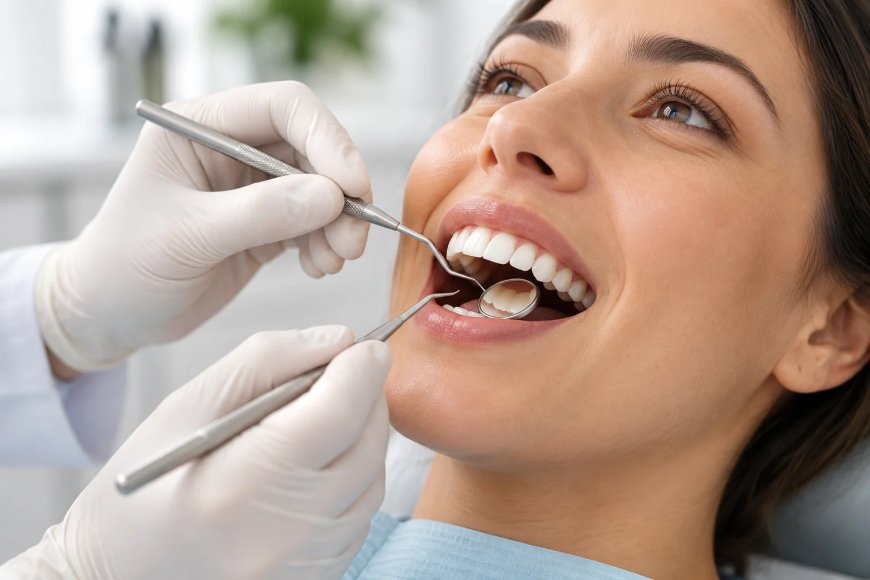
A confident smile can make everyday interactions feel more comfortable, but concerns about chipped teeth, uneven edges, discolouration, or small gaps may affect how people feel about their appearance. Dental veneers offer one option for improving the visible surfaces of teeth while maintaining a natural-looking smile. The right approach depends on a person's dental health, cosmetic goals, and the condition of their existing teeth.
dental veneers treatment in sharjah is an option for people who want to address selected cosmetic imperfections through customised dental restorations. Veneers are thin coverings placed over the front surfaces of teeth to improve their colour, shape, size, or overall appearance. Before choosing this treatment, it is important to understand the different materials available, their benefits and limitations, and the care needed to maintain the results.
What Are Dental Veneers?
Dental veneers are thin, custom-made shells designed to cover the visible front surfaces of teeth. They can improve the appearance of teeth that are stained, chipped, slightly uneven, or affected by minor gaps.
Veneers are primarily a cosmetic treatment. They do not replace the need to treat tooth decay, gum disease, or other underlying dental problems before improving the appearance of a smile.
Depending on the patient's needs, a dentist may recommend porcelain veneers, composite resin veneers, or another suitable cosmetic approach. The choice depends on factors such as tooth structure, bite alignment, oral hygiene, budget, and the desired appearance.
Who Can Benefit from Dental Veneers?
Dental veneers may be suitable for adults who have healthy teeth and gums but want to improve specific aspects of their smile. They are often considered when whitening or minor reshaping alone would not achieve the desired result.
Common concerns that veneers may help address include:
-
Persistent tooth discolouration: Stains that do not respond adequately to professional whitening.
-
Chipped or worn edges: Minor damage that affects the shape of visible teeth.
-
Small gaps: Selected spaces between teeth that can be addressed with veneers.
-
Uneven tooth shapes: Teeth that appear shorter, irregular, or disproportionate.
-
Minor cosmetic irregularities: Small differences in tooth size or alignment.
However, veneers are not appropriate for every situation. Significant crowding may require orthodontic treatment, while heavily damaged teeth may need crowns or other restorative procedures. Patients with untreated gum disease, active tooth decay, or certain bite problems may need treatment for these concerns first.
A dental examination helps determine whether veneers are appropriate or whether a more conservative alternative would be better.
Types of Dental Veneers Available in Sharjah
Understanding the main types of veneers makes it easier to discuss treatment options with a dentist. Porcelain and composite resin are two commonly used materials, and each offers different advantages.
1. Porcelain Veneers
Porcelain veneers are custom-made restorations produced to match the appearance and proportions of natural teeth. They are designed to create a realistic finish, with colour and translucency selected to complement the surrounding smile.
Potential benefits of porcelain veneers include:
-
Natural-looking colour and surface texture.
-
Good resistance to staining compared with composite resin.
-
Customised shape and size for individual teeth.
-
Durability when properly placed and maintained.
Porcelain veneers generally require laboratory fabrication and may involve removing a small amount of enamel. The amount of preparation varies according to the tooth and the selected veneer design.
Although porcelain is durable, it can chip or fracture under excessive force. Patients who grind or clench their teeth may need additional protection, such as a professionally fitted night guard.
2. Composite Resin Veneers
Composite veneers use a tooth-coloured resin material that can be applied directly to the teeth and shaped by the dentist. In some cases, the material is placed in a single appointment, although the time required depends on the number of teeth and the complexity of the treatment.
Potential benefits of composite veneers include:
-
A treatment process that may require less time.
-
The ability to repair certain types of minor damage.
-
Often lower initial costs than porcelain veneers.
-
Potentially less tooth preparation in suitable cases.
Composite resin is generally more susceptible to staining, wear, and chipping than porcelain. It may also require more frequent polishing or repairs to maintain its appearance.
The suitability of composite veneers depends on the patient's cosmetic goals, bite, and the amount of tooth structure available.
3. Minimal-Preparation and No-Preparation Veneers
Some veneer designs require only limited enamel removal, while selected cases may be suitable for veneers that require little or no preparation.
These options are not appropriate for everyone. Adding material to a tooth without sufficient space can make it look bulky or affect the way the teeth come together. A dentist must assess the tooth position, gum line, and bite before recommending this approach.
Preserving natural tooth structure is an important consideration, but it should not come at the expense of a comfortable, functional, and natural-looking result.
Key Benefits of Dental Veneers
Veneers can offer several cosmetic advantages when they are carefully planned and placed on suitable teeth.
Improved Tooth Colour
Veneers can cover certain types of discolouration that may not respond well to conventional whitening. Their shade can be selected to complement the patient's complexion, neighbouring teeth, and preferred smile appearance.
It is worth remembering that veneers do not whiten like natural enamel. If whitening is planned for other teeth, the sequence should be discussed with the dentist so the final shades can be coordinated.
A More Balanced Smile
Veneers can help improve the proportions of visible teeth by adjusting their apparent length, width, and shape. This can be useful when a person has small chips, uneven edges, or minor differences between neighbouring teeth.
The aim should be to create a balanced smile that suits the individual's facial features rather than making every tooth look identical.
A Natural-Looking Finish
Modern dental materials can reproduce aspects of natural enamel, including its colour variations and translucency. Careful shade selection and custom design help the veneers blend with the surrounding teeth.
The final appearance depends on the quality of planning, the chosen material, the condition of the teeth, and the dentist's technique.
Resistance to Everyday Staining
Porcelain veneers generally resist surface staining better than composite resin. Nevertheless, regular oral hygiene remains important, and the natural teeth surrounding the veneers can still develop stains.
Coffee, tea, tobacco, and other staining substances may affect the appearance of natural teeth and composite materials. Routine cleaning helps maintain a consistent smile.
Support for Long-Term Smile Maintenance
Veneers can remain functional for years when they are appropriately selected, fitted, and maintained. Their lifespan varies according to the material, oral habits, bite forces, and general dental health.
They should not be considered permanent or maintenance-free. Regular dental visits allow the dentist to check the margins, surrounding gums, and condition of the restorations.
What Happens During Dental Veneers Treatment?
The treatment process usually involves several stages, although the exact steps depend on the type of veneer and the patient's clinical needs.
Step 1: Consultation and Dental Assessment
The dentist examines the teeth and gums, discusses the patient's concerns, and reviews their expectations. X-rays or other diagnostic assessments may be recommended when clinically necessary.
This stage also helps identify problems such as tooth decay, gum inflammation, or excessive grinding that could affect the treatment plan.
Step 2: Smile Planning and Shade Selection
The dentist evaluates the shape, colour, and proportions of the teeth. The patient can discuss preferences regarding brightness, tooth length, and the overall appearance of the smile.
Planning should account for facial features, the gum line, the bite, and the natural characteristics of neighbouring teeth.
Step 3: Tooth Preparation
For veneers that require preparation, a small amount of enamel may be removed to create space for the restoration. The extent of preparation depends on the tooth and the design.
For indirect veneers, impressions or digital scans may be taken so the restorations can be fabricated. Temporary veneers may be used when needed.
Step 4: Veneer Placement
Once the veneers are ready, the dentist checks their fit, shape, colour, and alignment. After any necessary adjustments, the veneers are bonded to the teeth using dental materials appropriate for the restoration.
The dentist then checks the bite and makes sure the teeth come together comfortably.
Step 5: Follow-Up and Aftercare
After placement, the dentist may provide instructions on cleaning, eating habits, and signs that require review. A follow-up visit may be recommended to check comfort and bite alignment.
Patients should contact their dentist if they experience persistent pain, sensitivity that does not improve, a loose veneer, or a change in their bite.
How to Care for Dental Veneers
Daily habits can help protect veneers and the natural teeth beneath them.
-
Brush twice daily with a soft-bristled toothbrush and fluoride toothpaste.
-
Clean between the teeth every day using floss or an appropriate interdental cleaner.
-
Attend routine dental examinations and professional cleanings.
-
Avoid biting fingernails, chewing pens, or opening packages with the teeth.
-
Do not use the front teeth to bite very hard objects.
-
Discuss a night guard with the dentist if you grind or clench your teeth.
-
Follow personalised advice if you experience sensitivity or gum irritation.
Good care helps reduce the risk of decay around veneer margins and supports the health of the surrounding gums.
How to Choose the Right Veneers in Sharjah
Selecting a veneer treatment involves more than comparing materials or costs. A suitable treatment plan should consider both the appearance and the long-term health of the teeth.
Before proceeding, ask the dentist:
-
Which veneer material is most appropriate for my teeth?
-
How much natural tooth structure will need to be removed?
-
Could whitening, bonding, or orthodontic treatment address my concerns instead?
-
What are the expected maintenance requirements?
-
How might my bite or teeth grinding affect the veneers?
-
What is included in the treatment cost, including reviews and possible repairs?
When considering dental veneers treatment in Sharjah, patients can discuss these questions with Dr. Dalia Siddig as part of an individual dental consultation. The aim is to understand the available options, their limitations, and whether veneers fit the patient's oral health needs and cosmetic expectations.
Frequently Asked Questions
1. How long do dental veneers last?
Veneer lifespan depends on the material, placement, oral hygiene, and everyday habits. Porcelain veneers often last longer than composite veneers, but both may eventually need repair or replacement. Regular dental check-ups help monitor their condition.
2. Are dental veneers painful?
The procedure is generally manageable, and local anaesthesia may be used when tooth preparation is needed. Some patients experience temporary sensitivity afterward. The level of discomfort depends on the preparation and the individual's dental condition.
3. Are porcelain veneers better than composite veneers?
Neither option is best for every patient. Porcelain generally offers better stain resistance and durability, while composite veneers may be quicker to place and easier to repair. A dentist can recommend the most suitable material after examining the teeth and bite.
4. Do dental veneers damage natural teeth?
Veneers that require enamel removal permanently alter the natural tooth structure, which is why careful planning is important. Some selected cases may qualify for minimal-preparation options. Patients should understand the extent of preparation and the long-term commitment before treatment.
5. Can I get veneers if I have crooked teeth or gaps?
Veneers may improve the appearance of small gaps or minor alignment irregularities. More pronounced crowding or bite problems may be better treated with orthodontics before considering cosmetic restorations. A dental assessment helps establish the safest and most appropriate approach.
Conclusion
Dental veneers can be a useful option for improving tooth colour, shape, and minor cosmetic imperfections when the teeth and gums are healthy enough for treatment. Porcelain, composite resin, and minimal-preparation designs each have different benefits and limitations, so the choice should be based on individual dental needs rather than appearance alone.
Good planning, realistic expectations, regular dental care, and appropriate aftercare all contribute to maintaining the results. Anyone considering dental veneers treatment in Sharjah can consult Dr. Dalia Siddig to discuss their smile goals, understand the available treatment options, and determine which approach may be suitable for their oral health.
What's Your Reaction?
 Like
0
 Dislike
0
 Love
0
 Funny
0
 Angry
0
 Sad
0
 Wow
0