























Digital Weighing Scale: Reliable Measurement Solutions for Modern Businesses
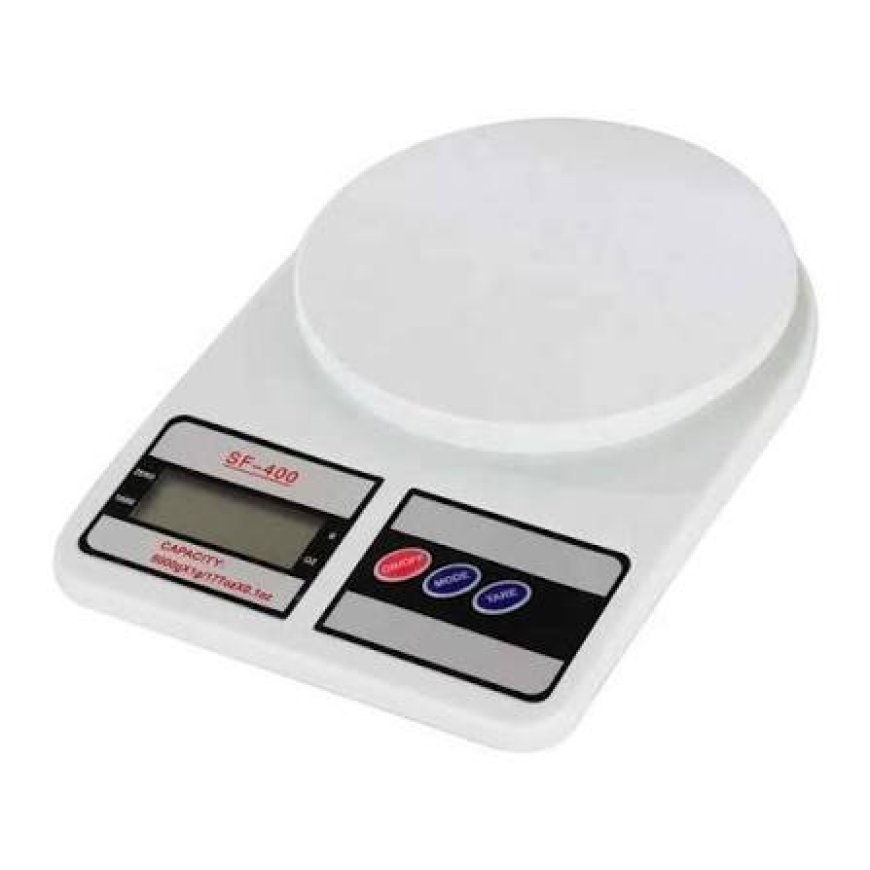
Al Falah Scales is a trusted supplier of digital weighing scales in the UAE for shops, supermarkets, bakeries, warehouses, and factories. Our range includes table top scales, platform scales, and industrial weighing machines with clear backlit LCD displays, tare and zero functions, and rechargeable battery options.

Accurate weight measurement is essential for businesses that handle products, raw materials, ingredients, and packaged goods every day. A reliable digital weighing scale helps improve measurement accuracy, maintain consistent product quality, and support efficient business operations. From small retail shops to large manufacturing facilities, digital weighing equipment plays an important role in daily commercial and industrial activities. Across the UAE, businesses rely on suitable weighing solutions to manage materials, verify product quantities, and maintain dependable records.
As industries continue to improve their operational processes, electronic weighing equipment has become an important part of modern workplaces. Its digital display, convenient operation, and range of available capacities make it suitable for many different applications. Selecting the right equipment allows businesses to achieve dependable results while reducing unnecessary delays and measurement errors.
What Is a Digital Weighing Scale?
A digital weighing scale is an electronic device that measures the weight of an object and displays the result on a digital screen. Most models use electronic load cells or similar sensing technology to detect the applied load and convert it into a readable measurement.
Unlike traditional mechanical scales, digital models provide numerical readings that are generally easier to read and record. Depending on the design, a scale may include functions such as tare weighing, unit conversion, counting, and data connectivity. However, the available functions differ between models, so buyers should review the specifications before making a purchase.
Digital scales are available in different sizes and configurations. Compact models are useful for counters and workbenches, while larger platform and floor scales can accommodate heavier loads. Specialized weighing equipment is also available for laboratories, manufacturing plants, warehouses, and other environments where particular measurement requirements must be met.
Why Digital Weighing Equipment Matters for UAE Businesses
The UAE has a diverse business environment that includes retail, logistics, food processing, manufacturing, construction, and distribution. These industries often depend on accurate weight measurements to control inventory, prepare products, and manage materials.
Digital weighing equipment can support these operations by providing clear readings and helping staff complete weighing tasks efficiently. For example, a warehouse may use a platform scale to check incoming packages, while a food business may require a smaller scale for portion control. A manufacturing facility may need weighing equipment to measure raw materials before production.
Using a suitable scale also helps businesses establish consistent procedures. When employees follow the same weighing process and use properly maintained equipment, it becomes easier to compare measurements, identify discrepancies, and maintain reliable operational records.
Common Applications of Digital Weighing Scales
Digital weighing equipment is used across many commercial and industrial sectors. The ideal model depends on the material being weighed, the working environment, and the required measurement accuracy.
1. Retail and Commercial Businesses
Retail stores, supermarkets, and other commercial establishments may use digital scales to weigh products, check stock quantities, and prepare orders. Clear displays make it easier for employees to read measurements during busy working hours.
Businesses involved in selling goods by weight should ensure that their equipment meets the applicable local requirements for commercial transactions. The scale's capacity, accuracy, and approval status should be checked before it is used for trade.
2. Food Processing and Packaging
Food businesses often need consistent measurements when preparing ingredients, portioning products, and packing items. A suitable digital scale can help staff follow recipes, maintain portion sizes, and reduce unnecessary material waste.
In food processing environments, hygiene and cleaning requirements are also important. Buyers should consider the scale's construction, surface materials, and suitability for exposure to moisture or frequent cleaning.
3. Warehousing and Logistics
Warehouses and distribution centres handle a wide variety of packages, cartons, and materials. Digital bench, platform, and floor scales can help employees check shipment weights, manage stock, and prepare goods for dispatch.
For heavier loads, businesses should choose equipment with an appropriate platform size and weight capacity. The scale must also be installed on a stable surface to support dependable measurements.
4. Manufacturing and Industrial Operations
Manufacturing businesses may use weighing equipment to measure raw materials, verify components, and monitor production quantities. Consistent weighing can help reduce material discrepancies and support quality-control procedures.
Industrial environments may expose equipment to dust, vibration, moisture, or heavy use. In these conditions, businesses should select a model designed for the specific workplace rather than choosing equipment based on price alone.
Key Features to Consider Before Buying
Choosing the right weighing equipment requires an understanding of the work it will perform. A scale that is suitable for light commercial tasks may not be appropriate for heavy industrial applications.
Consider these important factors before purchasing:
-
Weight capacity: Select a scale that can handle the maximum expected load without exceeding its rated limit.
-
Readability and accuracy: Check the displayed increments and the accuracy specifications required for your application.
-
Platform size: Ensure the weighing surface can accommodate the objects or containers used in daily operations.
-
Construction quality: Consider the materials and design needed for the working environment.
-
Display and controls: Choose an interface that employees can operate and read comfortably.
-
Additional functions: Determine whether tare, counting, data output, or other features are genuinely necessary.
-
Maintenance requirements: Review the manufacturer's guidance for cleaning, inspection, servicing, and calibration.
Comparing these features helps businesses avoid purchasing equipment that is either unsuitable for their requirements or more advanced than necessary.
How to Maintain Measurement Accuracy
Even a well-designed weighing scale needs proper handling and regular checks. Incorrect placement, overloading, dirt, physical damage, and unsuitable environmental conditions may affect measurement performance.
Place the scale on a stable, level surface and follow the manufacturer's instructions when installing or moving it. Keep the weighing platform clean and remove any material that could interfere with the measurement. Avoid placing loads beyond the rated capacity, as overloading may damage the sensing components.
Businesses should also arrange calibration or verification at suitable intervals based on equipment usage, manufacturer recommendations, and applicable industry requirements. If a scale produces inconsistent readings, it should be inspected before being relied upon for important measurements.
Employee training is equally valuable. Staff should understand how to position loads, use the tare function when appropriate, interpret displayed readings, and report possible equipment faults. These simple practices can support more consistent results and help extend equipment service life.
Choosing a Suitable Weighing Equipment Provider
Selecting a supplier is an important part of purchasing digital weighing equipment. Businesses should consider product specifications, application suitability, technical guidance, and the availability of relevant maintenance or calibration support.
Al Falah Scales is a weighing equipment provider in the UAE that businesses can consider when exploring weighing solutions for commercial and industrial applications. Before selecting any model, buyers should discuss their expected load range, required accuracy, operating conditions, and intended use. They should also confirm current product availability, specifications, and after-sales support directly with the provider.
A careful purchasing process helps businesses select equipment that fits their operational requirements and supports dependable day-to-day weighing.
Conclusion
A digital weighing scale is a valuable tool for businesses that require clear, consistent, and efficient weight measurements. From retail and food processing to logistics and manufacturing, the right weighing equipment can support quality control, inventory management, and smoother workflows. Choosing an appropriate model involves evaluating capacity, accuracy, platform size, construction, and maintenance needs. With correct installation, regular checks, and proper handling, businesses can maintain dependable weighing practices and make more informed operational decisions.
Frequently Asked Questions
1. What is a digital weighing scale used for?
A digital weighing scale measures the weight of products, materials, ingredients, packages, and other objects. Its applications include retail, food processing, warehousing, manufacturing, and laboratory work.
2. How do I choose the right digital weighing scale?
Consider the maximum load, required accuracy, platform size, operating environment, and functions needed for your work. Confirm that the selected model is suitable for the intended application.
3. Does a digital weighing scale require calibration?
Calibration or verification may be necessary to maintain measurement reliability. The appropriate frequency depends on usage, manufacturer recommendations, the type of equipment, and any applicable industry requirements.
What's Your Reaction?
 Like
0
 Dislike
0
 Love
0
 Funny
0
 Angry
0
 Sad
0
 Wow
0