


















Which Aggregates Work Best for Drainage Around Buildings and Landscapes?
Choosing the right aggregate materials helps improve drainage, reduce water buildup, and maintain ground stability around foundations, walkways, and landscaped areas. Learn about drain rock, crushed rock, pea gravel, and larger stones, plus how to select suitable aggregate materials near me in California for your project.

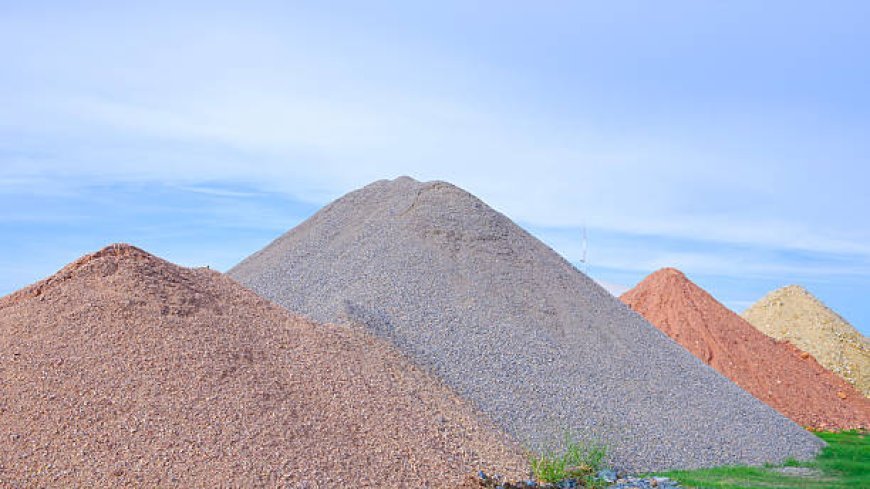
Have you ever noticed water sitting beside a house long after the rain has stopped? Or watched a garden turn muddy even when you have done everything right? The problem might be hiding beneath the surface. Finding the right aggregate materials near me in California can make a real difference when you want water to drain properly around buildings, walkways, and landscaped areas. The trick is choosing materials that let water move through without making the ground unstable.
Let us look at which aggregates work best, where to use them, and how to avoid a few common mistakes.
Why Does the Right Aggregate Matter for Drainage?
Water needs somewhere to go. When it gets trapped in the soil, it can leave soggy patches, wash away loose ground, and put extra pressure on areas around foundations. Nobody wants to deal with that after finishing a landscaping project!
The right aggregate creates spaces that allow water to pass through the material. It can also help support the ground above it. But not every type of gravel or crushed rock works the same way. Particle size, shape, and the amount of fine material all affect how easily water moves.
1. Clean Drain Rock for Moving Water Away
Best for: French drains, drainage trenches, and foundation drainage systems. Clean drain rock is a popular choice when water needs a clear path to move away. It usually contains larger particles with little fine material, leaving open spaces between the stones. These spaces allow water to flow through instead of getting trapped in a tightly packed layer. Clean gravel can work well around perforated drainpipes, where it helps water enter the drainage system.
One thing to remember... bigger is not always better. The stone size should suit the pipe, trench, and drainage design. A suitable filter fabric may also be needed to keep surrounding soil from filling the spaces between the rocks.
2. Crushed Rock for Stable Drainage Areas
Best for: Drainage layers, utility trenches, and areas that need support. Crushed rock has rough edges that help the pieces lock together. This makes it useful where a drainage layer also needs some stability. It can work around outdoor structures, beneath certain paved areas, and in other spots where the ground needs support. Just make sure you choose the right grade.
Some crushed rock products contain plenty of stone dust and fine particles. These can fill the gaps between larger pieces and slow water movement. For drainage applications, a clean, appropriately graded crushed rock is often a better fit than a mix designed mainly for compaction.
3. Pea Gravel for Light Drainage and Landscaping
Best for: Decorative borders, garden beds, and selected low-load areas. Pea gravel has smooth, rounded stones that give landscaping a neat, finished look. It can allow water to pass between the particles, making it useful in some garden and decorative drainage applications.
Still, there is a catch. Because the stones are rounded, they do not lock together as firmly as angular crushed rock. That can make pea gravel less suitable for areas that need a firm, stable base. Use it where appearance matters and heavy support is not the main goal. For drainage trenches or structural applications, check the project requirements before choosing it.
4. Larger Gravel for Areas with Heavy Water Flow
Best for: Selected drainage channels, erosion control, and areas receiving substantial runoff. When water moves quickly or arrives in large amounts, larger gravel or appropriately sized rock may help create a clear drainage path. Larger particles can leave more open space for water to pass through.
The right size depends on how fast the water flows and how much soil it may carry. If the stones are too small, moving water can displace them. If they are too large, they may not fit the design or provide the support you need. For steep slopes and areas exposed to strong runoff, the layout and rock size matter just as much as the material itself.
How to Choose the Best Aggregate for Your Project
Before ordering, think about where the water comes from and where it needs to go. Is the problem near a foundation, along a garden border, or in a low spot in the yard?
Keep these points in mind:
-
Check the soil: Clay-heavy soil drains differently from sandy soil.
-
Choose the right size: Match the stone to the trench, pipe, and expected water flow.
-
Limit unwanted fines: Too much dust or fine material can reduce open spaces.
-
Plan the outlet: Water needs a safe place to go, not just a place to collect.
-
Consider stability: Areas under footpaths or driveways may need a different aggregate from a simple garden drain.
A well-planned drainage system starts below the surface. Choosing the right stone is important, but proper grading, installation, and an effective outlet matter too.
Find the Right Drainage Materials with Western Materials
Still deciding which aggregate suits your property? We can help you narrow down the options. Western Materials supplies sand, gravel, construction aggregates, landscaping materials, and specialty products throughout California. With more than 40 years of industry experience, we help contractors, landscapers, businesses, and homeowners find materials suited to their projects.
If you are searching for aggregate materials near me in California, take a look at the available options and tell us what you are working on. A little planning before ordering can save plenty of trouble later. Get a quote now and find the right aggregate for your drainage project.
Frequently Asked Questions
1. What is the best aggregate for drainage around a house?
Clean drain rock or washed gravel is often a good choice because it allows water to pass through the spaces between particles. The best option depends on soil conditions, the drainage design, and local building requirements.
2. Is crushed rock better than pea gravel for drainage?
Crushed rock generally offers better stability because its angular edges help the particles lock together. Pea gravel has rounded stones and works well for some light drainage and decorative uses. The right choice depends on the project's needs.
3. Can regular gravel prevent water from collecting near a foundation?
Gravel can help water move through a drainage layer, but gravel alone will not solve every drainage problem. Proper ground slope, suitable drainage pipes where needed, and a safe outlet are also important.
4. Should drainage gravel contain sand or stone dust?
Usually, clean drainage gravel with limited fine material is preferred because excess sand or stone dust can fill the gaps between larger particles. Some systems require filter layers, so follow the design specifications for your project.
5. How deep should a gravel drainage trench be?
There is no single depth that works for every property. Trench depth and width depend on soil conditions, expected water flow, pipe size, and the drainage problem being addressed. For foundation drainage, follow local building codes and consult a qualified drainage professional when needed.
What's Your Reaction?
 Like
0
 Dislike
0
 Love
0
 Funny
0
 Angry
0
 Sad
0
 Wow
0