























When Diesel Exhaust Restrictions Become a Maintenance Concern for Agrale Vehicles

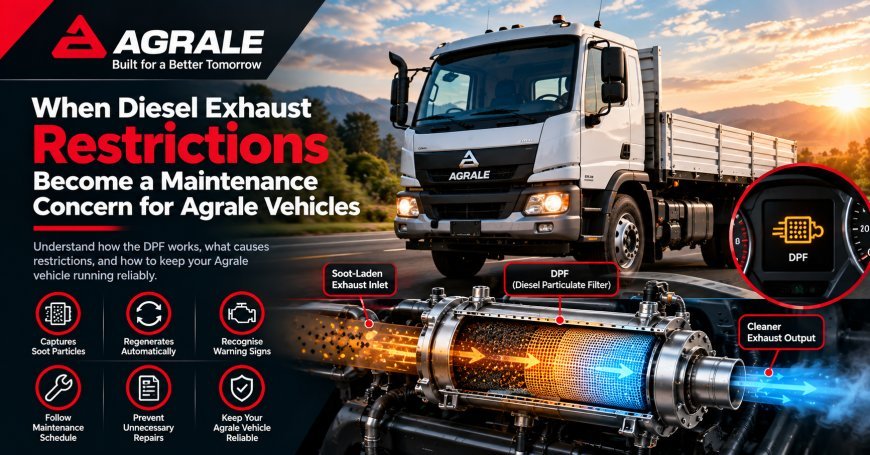
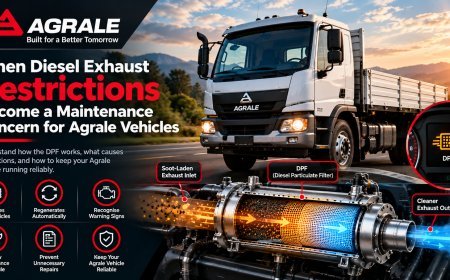
Diesel vehicles often work under changing loads, temperatures, and driving conditions. Over time, these differences can affect the performance of the engine and its exhaust after-treatment system. For Agrale vehicle operators, understanding how the diesel particulate filter (DPF) works can help make unexpected warning messages easier to interpret.
The DPF is designed to capture soot from diesel exhaust before it is released into the atmosphere. Like other engine components, it requires the correct operating conditions and maintenance procedures to perform as intended. Recognising the difference between routine regeneration and a persistent fault is an important part of responsible vehicle care.
Soot Accumulation Is Not the Whole Story
A DPF collects soot generated during diesel combustion. As soot builds up, the vehicle's control system may initiate regeneration, a process that burns accumulated soot under suitable conditions.
However, soot is not the only material that can accumulate inside a filter. Ash from engine oil additives and other sources can build up over time and generally cannot be removed through normal regeneration. Depending on the vehicle and filter design, specialised cleaning or replacement may eventually be required.
This distinction matters because repeated regeneration will not resolve every type of restriction. If a warning continues to appear, the system may need further investigation rather than another regeneration attempt.
The correct service procedure depends on the vehicle's engine, after-treatment configuration, diagnostic findings, and manufacturer guidance.
How Driving Conditions Can Affect Regeneration
Vehicles used for local deliveries, utility work, or frequent short journeys may experience different exhaust conditions from vehicles operating for longer periods at consistent loads.
Regeneration requires suitable conditions, and these can vary by vehicle design. Frequent stops, extended idling, or interrupted operating cycles may affect opportunities for regeneration on some systems.
Operators should follow the vehicle's instructions when a regeneration warning appears. The dashboard message may indicate that normal driving conditions are sufficient, that a specific procedure is required, or that a technician should inspect the vehicle.
It is important not to assume that every DPF warning has the same cause. An engine fault, a sensor problem, or an issue elsewhere in the exhaust system can also affect the regeneration process.
What to Notice Before Booking a Repair
A vehicle does not always need a major repair simply because a DPF warning appears. The message, accompanying symptoms, and diagnostic information help determine the appropriate response.
Before contacting a service provider, record the warning text and any available fault codes. Note whether the warning appeared during a short trip, after extended idling, or under a heavier workload. Also record whether engine power has changed or whether the vehicle has entered a restricted operating mode.
Depending on the findings, a technician may check filter loading, differential pressure readings, temperature sensors, regeneration history, and related engine conditions. These checks help distinguish a filter restriction from a fault that is preventing the system from operating correctly.
If the vehicle indicates that continued operation is restricted, follow the manufacturer's instructions rather than attempting to work around the warning.
Choosing a Solution Based on the Actual Fault
Searches for Agrale DPF delete may come from vehicle owners looking for ways to address repeated filter warnings, reduced performance, or maintenance expenses. Yet the search term alone does not identify what is wrong with the vehicle.
A soot-loaded filter, accumulated ash, a faulty sensor, and an engine condition affecting regeneration can require very different responses. Disabling an emissions-control function does not establish or repair the underlying mechanical cause.
Removing or disabling required emissions controls may also create legal, inspection, warranty, or operational complications, depending on the vehicle and applicable requirements. A diagnostic assessment and review of compliant repair options are therefore important before making decisions about emissions-related programming.
For information about diesel ECM programming services, visit Industrial Matrix Solutions. Vehicle owners should confirm the available service and its suitability for their particular model, engine configuration, and applicable requirements.
Building a Useful DPF Service History
A clear service history helps turn individual warning events into information that can support better maintenance decisions.
Record the date of each warning, vehicle mileage, any diagnostic codes, regeneration attempts, and repairs performed. If the same warning returns after a recent service, this record can help the technician understand what has already been checked.
It is also useful to follow the prescribed maintenance schedule and use the correct engine oil specification. Oil selection matters because some oils are formulated to limit the amount of ash-forming material that can contribute to after-treatment system deposits.
These measures cannot prevent every DPF problem, but they help operators identify recurring issues and provide more complete information during diagnosis.
Keeping Agrale Vehicles Ready for Work
The DPF is an important part of the exhaust after-treatment system, but its performance is connected to the wider condition of the engine and related components. Effective maintenance therefore involves more than responding to a single warning light.
For Agrale vehicle operators, understanding regeneration, keeping accurate service records, and seeking appropriate diagnosis can make filter-related concerns easier to manage. When a warning persists, the priority should be identifying the cause and choosing a repair that fits the vehicle's requirements.
A consistent maintenance approach supports more informed decisions, helps reduce unnecessary guesswork, and keeps long-term vehicle reliability at the centre of the servicing process.
What's Your Reaction?
 Like
0
 Dislike
0
 Love
0
 Funny
0
 Angry
0
 Sad
0
 Wow
0