













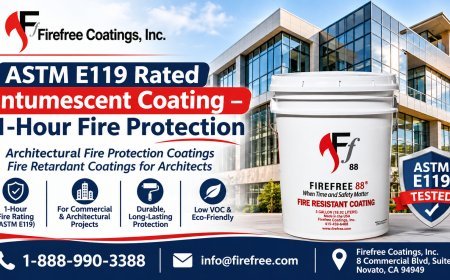







ASTM E119-Rated Intumescent Coatings: Understanding 1-Hour and 2-Hour Fire Protection for Buildings
Understand ASTM E119-rated intumescent coatings, 1-hour and 2-hour fire protection, coating specifications, and FireFree solutions for architects.
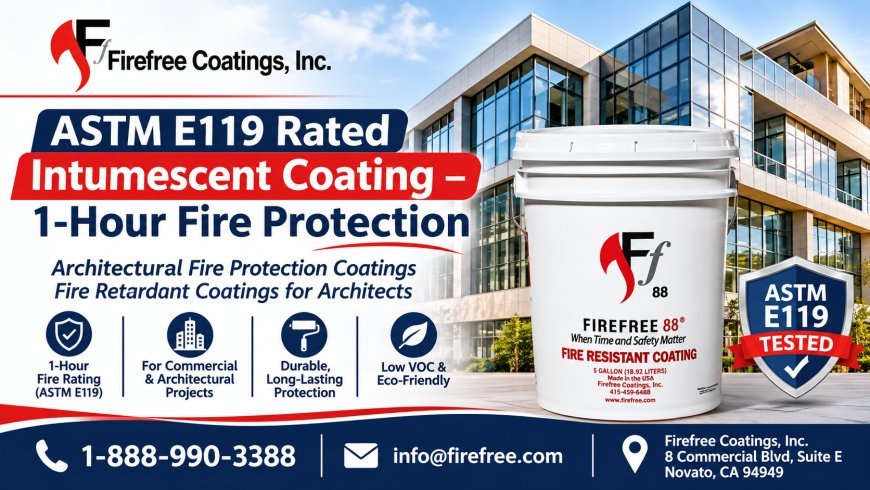
Fire protection is an important part of modern building design. Architects, contractors, and construction professionals must consider how building materials and protective systems perform under fire exposure. Intumescent coatings are one option used in certain fire protection systems, helping protect compatible substrates when applied as part of an appropriately tested assembly.
Understanding ASTM E119-rated intumescent coatings requires knowing how fire-resistance testing works, what one-hour and two-hour ratings mean, and why product specifications matter. For architects evaluating FireFree and other coating manufacturers, reviewing technical documentation is an important step in the selection process.
Understanding ASTM E119 Fire Resistance Testing
ASTM E119 is a standard test method used to evaluate the fire resistance of building construction assemblies. It measures how long a tested assembly can meet specified performance criteria when exposed to controlled fire conditions.
The test may apply to assemblies such as walls, floors, roofs, and structural components. A one-hour or two-hour rating represents the duration for which the tested assembly meets the applicable acceptance criteria under the test conditions.
It is important to understand that an ASTM E119 rating generally applies to the complete tested assembly, not automatically to an individual intumescent coating. The coating must be evaluated within the specific system and configuration covered by the supporting test documentation.
How Intumescent Coatings Support Fire Protection
Intumescent coatings are designed to expand when exposed to high temperatures. This expansion creates an insulating char layer that can help slow heat transfer to the protected substrate.
Depending on the product and intended application, intumescent systems may be used on compatible structural steel or other specified materials. Their performance depends on factors such as coating thickness, substrate preparation, application quality, and the tested system design.
Architects should review manufacturer instructions and supporting test reports before including an intumescent coating in project specifications.
Understanding 1-Hour and 2-Hour Fire Protection
One-hour and two-hour fire-resistance ratings are important considerations in building design. The required rating depends on factors such as building occupancy, construction type, applicable building codes, and the role of the structural assembly.
A one-hour-rated assembly has demonstrated the required fire-resistance performance for one hour under the applicable test conditions. A two-hour-rated assembly has demonstrated that performance for two hours.
These ratings cannot be assigned simply by applying a thicker layer of coating. Architects must confirm that the complete proposed assembly matches the tested and approved configuration, including the coating system and specified thickness.
Reviewing Intumescent Coating Specifications
Clear intumescent coating specifications help ensure that the selected system is appropriate for the intended project. Architects and contractors should evaluate:
-
Applicable ASTM E119 test reports and assembly details
-
Approved substrate and structural configuration
-
Required coating thickness and application rate
-
Surface preparation and primer compatibility
-
Application and curing instructions
-
Inspection and quality-control requirements
ASTM E84 is different from ASTM E119. It evaluates surface-burning characteristics, including flame spread and smoke development. Professionals researching the best ASTM E84 Architects in USA should understand this distinction and review relevant testing credentials, application experience, and project documentation rather than treating the two standards as interchangeable.
Architectural Fire Protection Coatings for Building Projects
Selecting suitable architectural fire protection coatings requires coordination between architects, manufacturers, contractors, and fire protection specialists. Product documentation should support the intended application, substrate, and required performance.
FireFree offers fire-protective coating solutions that architects can review when researching building protection materials. Before specifying any FireFree product for an ASTM E119-rated assembly, professionals should verify the applicable test documentation and confirm that the proposed system meets project requirements.
Conclusion
Understanding ASTM E119, one-hour and two-hour fire-resistance ratings, and intumescent coating specifications helps architects make informed decisions about building fire protection. By reviewing tested assembly details, verifying product suitability, and coordinating with qualified professionals, architects can select appropriate fire retardant coatings for architects and support their project's fire safety objectives.
What's Your Reaction?
 Like
0
 Dislike
0
 Love
0
 Funny
0
 Angry
0
 Sad
0
 Wow
0