

















Automatic Water Pump Controller: Features and Selection Guide
An automatic water pump controller manages pump operation based on inputs such as water level, pressure, flow, or other system conditions. The exact function depends on the controller type and the pump installation.

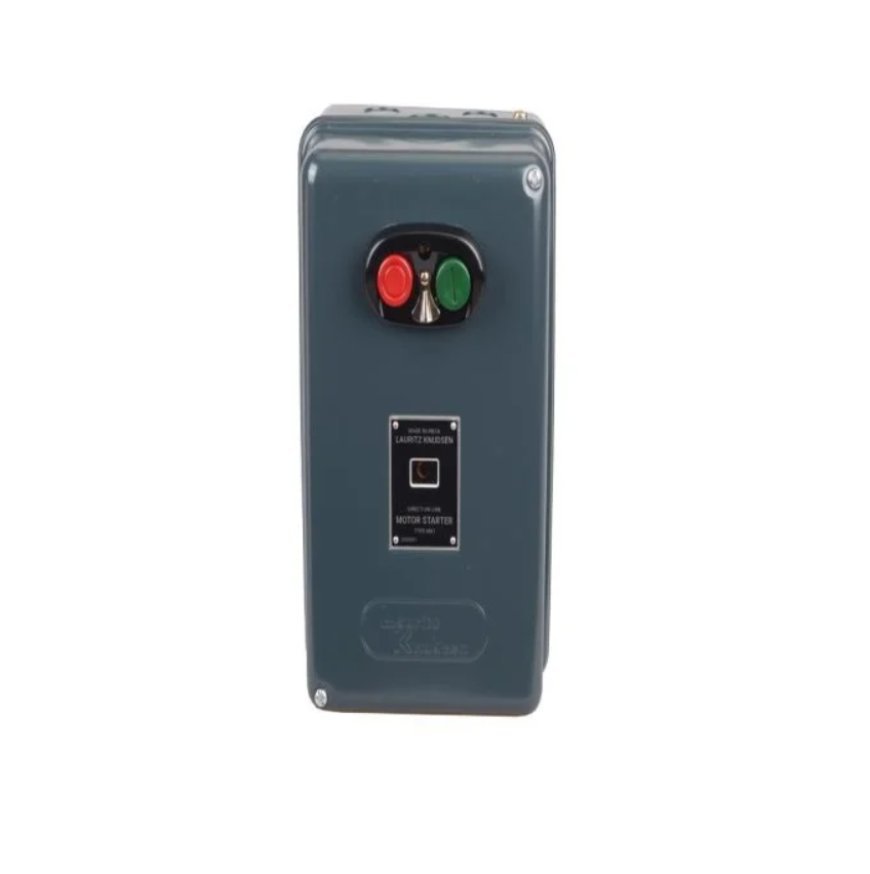
An automatic water pump controller helps manage when a pump starts and stops, but the right model depends on how water is stored, moved, and monitored at the property. A rooftop tank, underground sump, borewell, and pressure-booster arrangement can need different sensing and protection functions. Buyers should first map the water system, pump details, and operating pattern, then compare controllers against those requirements. Lauritz Knudsen Smartshop offers a place to explore electrical control products, while the final choice should be checked against the manufacturer's technical documentation.
Plan the Installation Before Comparing Products
Map the full water system before choosing a controller. Identify the water source, tank levels, pipe route, pump location, supply type, and whether the pump runs automatically or only at certain times. Decide which event should trigger a start or stop, such as a low tank level or a pressure change. This makes it easier to distinguish a basic control unit from one that includes dry-run monitoring, alarms, or additional motor protection.
Write down the relevant ratings, physical constraints, and operating conditions before comparing model numbers. This makes product comparisons more meaningful and helps prevent a mismatch between the accessory and the equipment it is intended to serve.
Priorities for Pump Control
For pump control, the most important comparison is how the unit detects demand and what it does when water is unavailable. Check sensor type, restart behaviour, and whether the system gives a visible fault indication.

What an Automatic Pump Controller Does
An automatic water pump controller manages pump operation based on inputs such as water level, pressure, flow, or other system conditions. The exact function depends on the controller type and the pump installation.
Some controllers focus on starting and stopping, while others include dry-run protection, overload monitoring, or additional indicators. Confirm which features are actually included.
Controller and Sensor Checks
-
Match controller functions to the actual water system.
-
Confirm pump current and sensor compatibility.
-
Test dry-run response and automatic stop behaviour.
Match the Controller to the Pump
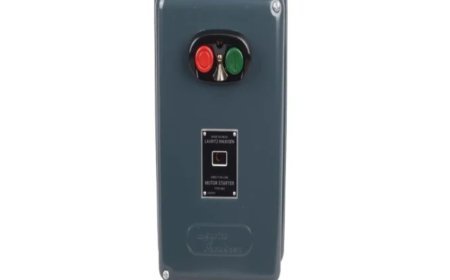
The controller must be compatible with the pump's voltage, current, motor type, starting method, and operating conditions. A submersible pump starter may require a different arrangement from a small domestic pump or a pressure-booster system.
Check the pump nameplate and manufacturer's instructions. Do not choose a controller solely by the pump's advertised power without confirming electrical ratings and protection requirements.
Controller and Sensor Checks
-
Match controller functions to the actual water system.
-
Confirm pump current and sensor compatibility.
-
Test dry-run response and automatic stop behaviour.
Sensors, Levels and Dry-Run Protection
Water-level or pressure sensors can help automate operation and reduce unnecessary running. Dry-run protection may help prevent damage when water is unavailable, but its operation depends on the sensor method and installation.
Sensor placement and settings matter. The system should be tested under realistic conditions and should provide a clear way to identify faults or abnormal operation.
Protection Coordination Checks
-
Match controller functions to the actual water system.
-
Confirm pump current and sensor compatibility.
-
Test dry-run response and automatic stop behaviour.
Protection and Safe Installation
Pump systems may require suitable overload and short-circuit protection, earthing, isolation, and a correctly rated starter or contactor. These functions should be coordinated as part of the installation design.
Water and electricity create particular risks. Use a qualified electrician or pump technician for installation, wiring, and testing, and follow the pump and controller manuals.
Protection Coordination Checks
-
Match controller functions to the actual water system.
-
Confirm pump current and sensor compatibility.
-
Test dry-run response and automatic stop behaviour.
Buying Checklist
Confirm the pump type, supply, rated current, controller functions, sensor compatibility, enclosure requirements, and support arrangements. Check what accessories are included and whether the controller is suitable for the installation environment.
Smartshop Lauritz Knudsen can help users explore electrical control products. Verify the exact model specifications before buying and have the completed system professionally checked.
Purchase Comparison Checks
-
Match controller functions to the actual water system.
-
Confirm pump current and sensor compatibility.
-
Test dry-run response and automatic stop behaviour.

Mistakes That Can Lead to Poor Performance or Unsafe Selection
A frequent mistake is assuming that every controller detects the same conditions. Some models rely on float switches, others use pressure or flow sensing, and some require separate sensors. Another error is treating automatic operation as a replacement for correct electrical protection. Repeated starts, sensor faults, low water supply, and a jammed pump should all be considered during system design.
If a device trips repeatedly, overheats, makes unusual noise, or shows visible damage, stop relying on it until the cause has been checked. Never bypass protection or work on energised fixed wiring.
Final Checks Before Purchase and Installation
Ask for the controller's operating voltage, current capacity, supported pump type, sensor inputs, enclosure rating, protection functions, and wiring diagram. Confirm whether sensors and cables are included or must be purchased separately. Check the warranty and service process, and have a qualified technician test normal operation as well as likely fault conditions before the system is put into regular use.
Operation during abnormal conditions
Consider how the controller responds to low water level, blocked flow, pressure changes, sensor failure, and repeated starting. The right response depends on the pump and system, so review the manual and test the intended protective functions during commissioning.
An automatic controller cannot compensate for incorrect pump sizing, poor plumbing, or unsuitable electrical protection. Evaluate the full system rather than the controller in isolation.
Quick checklist
-
Check sensor response and alarms
-
Verify motor protection
-
Test normal and fault conditions
Conclusion
An automatic pump controller should be chosen for the pump, sensor arrangement, and required protection functions. Check the technical details and use qualified installation support for reliable operation.
What's Your Reaction?
 Like
0
 Dislike
0
 Love
0
 Funny
0
 Angry
0
 Sad
0
 Wow
0