




















How an Automated Parking Management System Enhances the Parking Experience
Real-time occupancy monitoring can identify available spaces and communicate this information through signs or connected applications. Drivers can then move towards the appropriate section rather than checking every aisle.

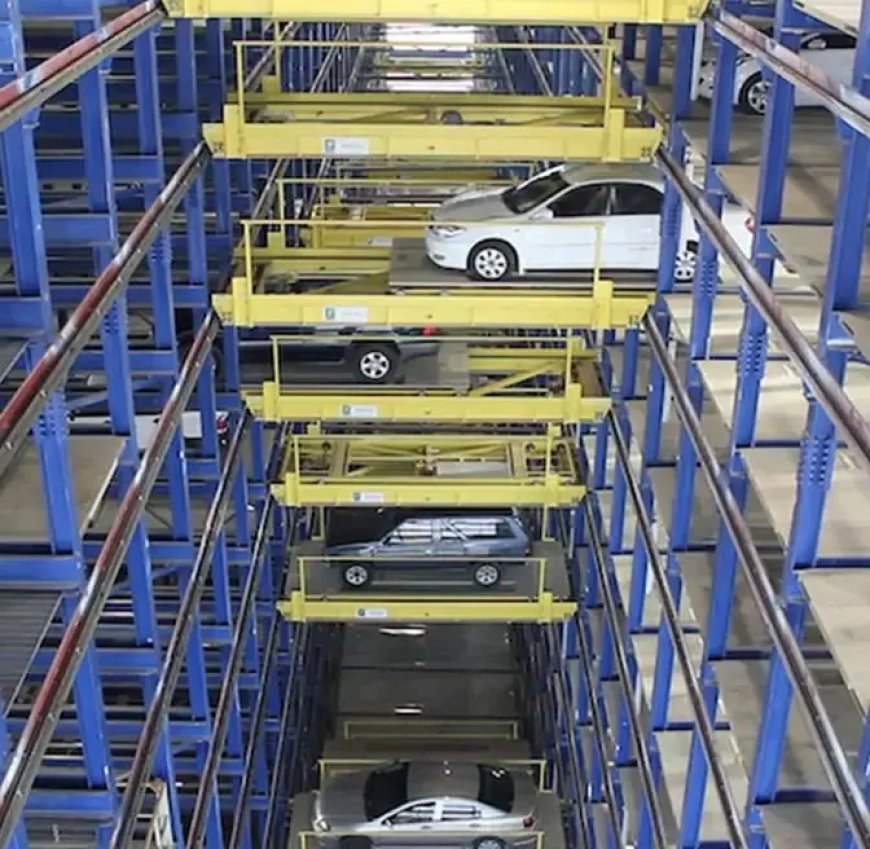
A positive parking experience can make a significant difference to visitors, employees, residents, and customers. When parking is difficult to navigate, payment procedures are confusing, or vehicle entry takes too long, users may become frustrated before reaching their destination.
An automated parking management system can improve the experience by simplifying common parking tasks and providing clearer information. Through occupancy monitoring, access automation, digital payments, and parking guidance, facilities can become easier to use.
The goal is not simply to introduce new technology. It is to make parking more convenient, reliable, and accessible.
Making Spaces Easier to Find
Searching for an available space is one of the most common parking frustrations.
Real-time occupancy monitoring can identify available spaces and communicate this information through signs or connected applications. Drivers can then move towards the appropriate section rather than checking every aisle.
In large facilities, guidance by floor or zone can make navigation easier. Some installations also use individual space indicators to identify vacant bays.
Accurate information is essential. Operators should regularly test sensors and review reports to identify incorrect occupancy readings.
Creating a Smoother Arrival
Long queues at parking entrances can be stressful, particularly when drivers are unfamiliar with the facility.
Automated access options such as RFID, QR codes, digital permits, and vehicle recognition can reduce manual steps. Visitors may be able to register before arrival, while authorised users can access the facility using an approved credential.
An automated parking management system can also provide clear instructions about entrance locations, parking rules, and payment procedures.
Facilities should retain practical assistance for visitors whose credentials do not work or who need additional support.
Simplifying Payments
Parking payment should be straightforward and transparent.
Digital payment terminals, contactless transactions, and mobile payment options can reduce the need to queue at a staffed counter. Integrated systems can calculate charges based on recorded parking duration and provide receipts.
Users should be able to understand the tariff before parking. Clear information about grace periods, lost tickets, additional charges, and accepted payment methods can prevent disputes.
Payment alternatives are important for users who do not have access to a particular application or payment service.
Improving Safety and Security
Drivers want to feel confident that the parking facility is organised and monitored appropriately.
Vehicle access records, surveillance integration, controlled entry, and designated pedestrian routes can contribute to a safer environment. Clear signs can help users understand traffic direction and identify pedestrian exits.
Technology alone cannot guarantee security. Facilities also need good lighting, equipment maintenance, emergency procedures, and appropriate staff support.
Accessible spaces and routes should be clearly marked and kept available for their intended users.
Personalised Parking Services
Different users have different parking requirements.
Employees may need regular access, visitors may require temporary permits, and residents may use assigned spaces. Hotels and event venues may benefit from advance reservations, while hospitals need parking arrangements that reflect patient and visitor needs.
An automated parking management system can support these different requirements through configurable access permissions, digital credentials, and reservation features where available.
Personalised services should remain simple. Complicated registration procedures can create more frustration than they solve.
Helping Property Managers Respond Faster
A good parking experience depends on what happens behind the scenes.
Management dashboards can show occupancy levels, equipment faults, transaction activity, and recurring operational issues. Staff can use this information to respond to problems more quickly.
For example, a fault alert may indicate that an entrance barrier needs attention. Occupancy data may show that a particular floor becomes congested at the same time every day.
With useful reporting, managers can address problems proactively instead of relying entirely on customer complaints.
Accessibility and Inclusive Design
Parking services should accommodate people with different physical abilities, technical skills, and communication needs.
Clear signs, accessible payment options, suitable pedestrian routes, and properly designated accessible parking spaces are important. Digital services should be easy to understand and should not become the only way to obtain assistance.
Facilities must also maintain appropriate access for emergency services and people who require special arrangements.
An inclusive design approach improves usability for a wider range of visitors.
Measuring Customer Satisfaction
Property managers should collect feedback before and after implementing parking technology.
Useful indicators include waiting times, payment complaints, occupancy accuracy, equipment downtime, customer satisfaction, and the number of requests for staff assistance.
Short surveys can reveal whether visitors find the new process easier to use. Managers should also monitor problems experienced by users who need manual support.
Regular reviews help ensure that the system continues to meet real customer needs.
Conclusion
An automated parking management system enhances the parking experience by making spaces easier to find, simplifying entry and payment, improving information, and supporting better facility management.
The strongest results come from combining reliable technology with clear communication, accessibility, and responsive customer service. When designed around the needs of users, automated parking can become a convenient and dependable part of visiting a property.
What's Your Reaction?
 Like
0
 Dislike
0
 Love
0
 Funny
0
 Angry
0
 Sad
0
 Wow
0