






















Where to Find Patch-Test Tips for Beard Dye Safety
Finding patch-test tips for beard dye safety starts with the product itself and continues with trusted sources like official brand instructions, ingredient lists, and dermatology guidance. The goal is simple: reduce the chance of irritation and avoid preventable problems before dye ever reaches your beard. A careful patch test takes only a little time, but it can save you from a much bigger issue later.

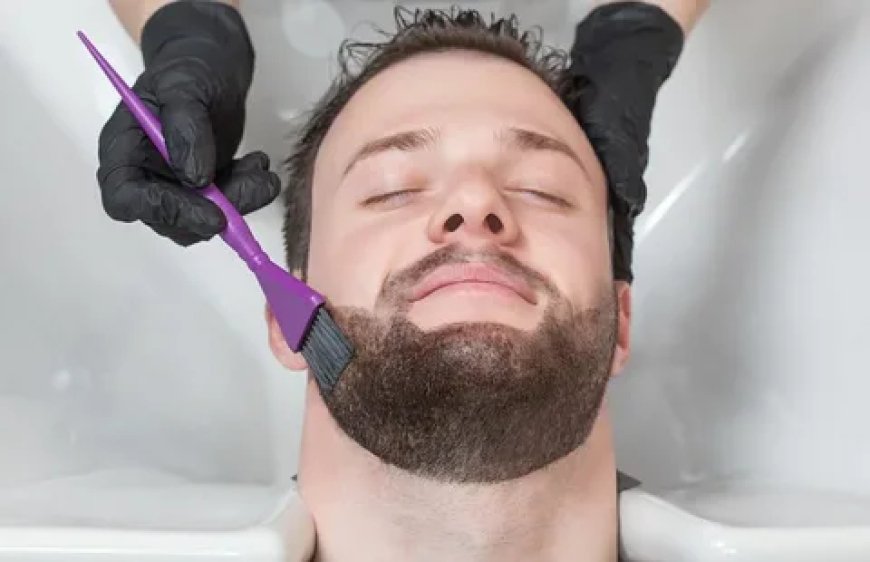
Using beard dye can be a straightforward way to cover gray, even out color, or simply change your look. But before any product touches your face, the most important step is a patch test. A patch test helps you check for irritation or an allergic reaction before using a full application. If you are comparing products or reading usage instructions for beard dye, the safety guidance you need is usually already available from the manufacturer, product packaging, and ingredient information. The challenge is knowing where to look and how to use that information correctly.
For many people in the US, patch-testing gets skipped because it feels inconvenient or unnecessary. That can be a mistake. Beard dye is applied near the mouth, nose, and eyes, which makes skin safety especially important. Even if you have used hair dye before, facial skin can react differently because it is often more sensitive. A careful patch test is the simplest way to reduce risk and make a more informed choice.
Key points
- Patch-test instructions are usually found on the product label, insert, or brand website.
- Always test the exact dye and developer you plan to use, not a different formula.
- Apply a small amount to a discreet area and wait the full recommended time before checking for a reaction.
- Watch for redness, itching, swelling, burning, or rash during the test period and after rinsing.
- People with sensitive skin, eczema, allergies, or past dye reactions should be especially cautious.
Why Patch Testing Matters
Patch testing is not just a formality. Beard dyes can contain ingredients that may irritate the skin or trigger an allergic response. The reaction can show up quickly, or it can take hours or even a couple of days to appear. Some reactions are mild and fade after washing, while others can become uncomfortable enough to require medical attention. That is why safety guidance is so important before applying dye to the entire beard area.
Facial skin is exposed to friction from shaving, weather, skincare products, and frequent washing. Those factors can make it more reactive than the skin on other parts of the body. If you have ever experienced stinging from aftershave, redness from a new cleanser, or a rash from a cosmetic product, you should take patch testing seriously.
Where to Find Reliable Patch-Test Tips
1. Product packaging
The first place to look is the box, bottle, or instruction leaflet. Reputable beard dye products usually include a patch-test recommendation with specific timing and application steps. Read the full directions, not just the front label. Important details may be printed in small text, including how long to wait, whether the test should be done behind the ear or on the inner arm, and how many hours to observe the area.
2. Brand website or official instructions
Manufacturers often post usage guides online. These instructions can be helpful if the printed leaflet is missing or hard to read. Look for the exact product name and formula, since patch-test directions can vary between permanent, semi-permanent, and sensitive-skin versions. If the brand offers updated safety notes, those are often the most current source.
3. Ingredient list
Learning the ingredient list helps you make sense of patch-test advice. If you know you react to certain dyes, fragrances, preservatives, or oxidizing agents, you can look for those ingredients before buying. A patch test is still important, but ingredient awareness gives you an early warning sign. If the label is vague or incomplete, that is a reason to be cautious.
4. Dermatology or pharmacy guidance
For general skin-safety information, dermatology clinics and pharmacy resources can be useful. They may explain how to perform a patch test, what symptoms to watch for, and when to stop using a product. These sources are especially helpful if you have a history of contact dermatitis or other skin sensitivity.
How to Perform a Patch Test Correctly
The best patch test is one that matches the product you plan to use. That means testing the same dye and the same developer, mixed in the same ratio, if the directions call for mixing. A diluted test or a test with only one component may not give you accurate results.
Step-by-step approach
- Wash and dry a small area of skin, such as behind the ear or on the inner forearm.
- Mix the product exactly as instructed.
- Apply a small amount to the test area.
- Leave it on for the amount of time recommended in the instructions.
- Rinse if the directions say to rinse, then monitor the area for at least 24 to 48 hours.
Do not cover the test area with a tight bandage unless the instructions specifically say to do so. Covering the area can trap moisture and heat, which may affect the result. Also, avoid washing the test spot with strong cleansers or scrubbing it during the observation period.
What to Watch For After the Test
A normal result means the skin looks and feels unchanged. A concerning result may include itching, redness, hives, swelling, blistering, or a burning sensation. Sometimes a reaction does not appear immediately, so check the area more than once. If you notice delayed irritation, do not assume the product is safe just because the first hour seemed fine.
If you experience a strong reaction, rinse the area gently with lukewarm water and stop using the product. If the reaction spreads, becomes painful, or affects breathing, seek medical care right away. Severe allergic reactions are uncommon, but they should always be treated seriously.
Common Mistakes People Make
One common mistake is assuming that because a beard dye is marketed for men, it is automatically gentle. Marketing claims are not the same as safety testing. Another mistake is testing on one product and using another. Even small changes in formula can matter.
Some people also rush the process. They apply dye after only a few hours of waiting, or they ignore mild itching because they want the result quickly. Patch testing only works if you give it enough time. If you are in a hurry, it is better to wait than to risk a bad reaction on your face.
Another error is testing on irritated skin. If you have a sunburn, fresh shave, breakout, or rash, wait until the skin has healed. Testing on damaged skin can lead to misleading results and unnecessary discomfort.
When You Should Be Extra Careful
Certain situations call for more caution. If you have eczema, psoriasis, sensitive skin, or a known allergy to hair dye ingredients, talk to a dermatologist before using beard dye. The same applies if you have reacted to temporary tattoos, black henna, or salon color in the past. Those reactions can be a warning sign that you may also react to beard dye.
You should also be careful if you are using multiple grooming products at once. Strong exfoliants, retinoids, acne treatments, and alcohol-heavy aftershaves can make skin more reactive. In those cases, simplify your routine before testing and dyeing.
How to Read Safety Advice Without Getting Overwhelmed
Patch-test instructions can feel repetitive or overly cautious, but the details matter. Focus on four things: where to test, how much to apply, how long to wait, and what symptoms mean stop. If the directions are unclear, choose the most conservative approach and contact the manufacturer for clarification. Good safety information should be easy to understand and specific enough to follow.
It also helps to keep a small note of the product name, date tested, and any skin response. That record can be useful if you try another shade later or need to compare formulas. If you have a reaction, this note can also help a healthcare professional identify the likely cause.
Practical Tips for Safer Use
- Read the instructions before opening the product.
- Patch-test every new shade or formula, even from the same brand.
- Do not dye over irritated or broken skin.
- Use gloves and avoid getting product near the eyes or lips.
- Stop immediately if the product burns or causes unusual discomfort.
- Keep the product out of reach of children and store it according to the label.
Conclusion
Finding patch-test tips for beard dye safety starts with the product itself and continues with trusted sources like official brand instructions, ingredient lists, and dermatology guidance. The goal is simple: reduce the chance of irritation and avoid preventable problems before dye ever reaches your beard. A careful patch test takes only a little time, but it can save you from a much bigger issue later.
If you treat the patch test as a normal part of the grooming process, you are more likely to get the results you want with fewer surprises. That means reading the directions, testing the exact formula, waiting long enough, and paying attention to how your skin responds. For anyone using beard dye at home, that small habit is one of the most practical safety steps you can take.
FAQ
How long should I wait after a patch test before using beard dye?
Follow the product instructions, but many patch tests require at least 24 to 48 hours of observation. Some reactions take time to appear, so do not rush the process.
Where is the best place to do a patch test?
Common locations include behind the ear or on the inner forearm. Use the area recommended by the product instructions if one is provided.
Can I skip the patch test if I have used beard dye before?
No. Reactions can develop over time, and different formulas may contain different ingredients. It is safest to test every new product or shade.
What if I feel a mild itch during the test?
Stop using the product and rinse the area if needed. Even mild itching can be an early sign of irritation or allergy.
Is a patch test enough to guarantee safety?
No test can guarantee zero risk, but patch testing greatly lowers the chance of a bad reaction. It is one of the best safety steps available before using beard dye.
What's Your Reaction?
 Like
0
 Dislike
0
 Love
0
 Funny
0
 Angry
0
 Sad
0
 Wow
0