






















Can Otoplasty Give Your Ears a Better Shape?
The appearance of the ears is an important part of natural facial proportions. Although people often focus on their eyes, nose, and skin, the position and contour of the ears can also influence their overall appearance.

The appearance of the ears is an important part of natural facial proportions. Although people often focus on their eyes, nose, and skin, the position and contour of the ears can also influence their overall appearance. Some individuals have naturally prominent ears, while others notice differences in cartilage shape or ear positioning. If these features affect your confidence, Ear Reshaping in Islamabad may be an option worth exploring.
Ear reshaping, medically known as otoplasty, is a cosmetic surgical procedure that aims to improve the appearance of the outer ears. Depending on the individual's needs, it may involve repositioning prominent ears, modifying cartilage folds, or correcting selected structural differences. The treatment is planned according to the patient's anatomy and desired improvements.
At Enfield Royal Clinic in Islamabad, individuals interested in ear correction can discuss their concerns and learn about the factors involved in choosing an appropriate treatment approach.
What Is Otoplasty and Why Is It Performed?
Otoplasty is a surgical procedure that focuses on the visible structure of the outer ear. It is commonly considered by people who feel their ears project too far outward or have certain irregularities in their shape.
The outer ear contains cartilage that gives it its natural structure. Differences in cartilage development can influence the angle, folds, and overall appearance of the ears. Otoplasty may modify these structures to achieve a more balanced appearance.
Ear Reshaping in Islamabad may be considered for several aesthetic concerns, including:
-
Prominent ears that extend away from the head.
-
Uneven positioning of the ears.
-
Certain cartilage folds that affect the ear's contour.
-
Selected congenital differences in ear structure.
-
Some deformities resulting from injuries.
The procedure is not suitable for every concern, which is why professional evaluation is important.
How Does Ear Anatomy Influence Treatment?
Every person's ears have individual characteristics. Cartilage thickness, natural folds, skin condition, and the angle of the ears all influence the surgical approach.
For example, a patient with prominent ears may require a different technique from someone who has an irregular cartilage fold. A surgeon must carefully examine these features before recommending treatment.
The assessment also considers how the ears relate to the rest of the face. The objective is to improve the specific concern while preserving natural-looking proportions.
What Happens During the Initial Consultation?
A consultation provides an opportunity to understand the procedure and decide whether it is appropriate. The surgeon examines the ears, reviews medical history, and discusses the patient's expectations.
Patients should mention previous ear operations, injuries, medical conditions, and medications. They should also explain which features concern them most.
During the consultation, important topics include:
Treatment suitability: Whether the patient's ear structure is appropriate for surgical correction.
Surgical technique: Which method may be suitable for the specific concern.
Expected improvement: What changes may realistically be achieved.
Recovery requirements: How the ears should be protected during healing.
Possible complications: The risks and limitations associated with surgery.
At Enfield Royal Clinic in Islamabad, people considering Ear Reshaping in Islamabad can seek information about the consultation process and the treatment considerations relevant to their needs.
How Is the Ear Reshaping Procedure Performed?
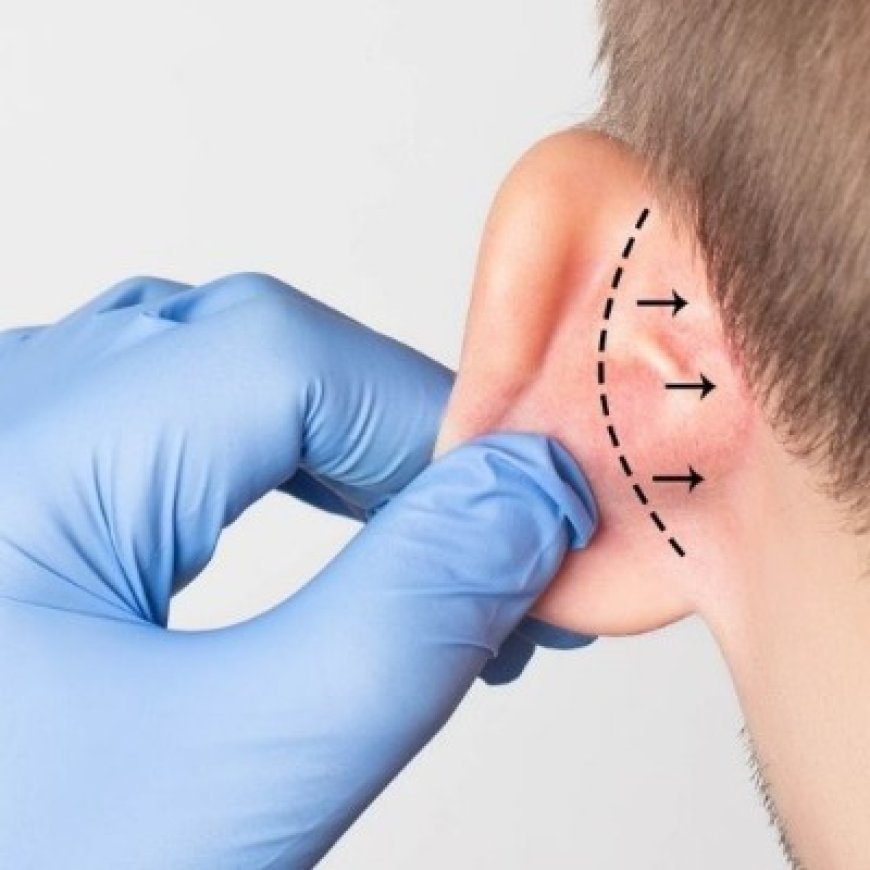
Otoplasty commonly involves an incision behind the ear to access the cartilage. Depending on the patient's anatomy, the surgeon may reshape, fold, or secure the cartilage using sutures.
For prominent ears, the cartilage may be adjusted to position the ears closer to the head. Other techniques may be used to improve particular structural features.
The procedure can be performed under local or general anaesthesia, depending on the patient's age, health, and surgical requirements.
The exact approach is individualised. Patients should discuss the proposed technique with their surgeon and understand what the procedure can and cannot achieve.
Who Can Consider This Treatment?
Ear reshaping may be suitable for adults and children whose ears have developed sufficiently. However, age alone does not determine eligibility.
The surgeon considers overall health, ear anatomy, medical history, and expectations. Patients should be able to understand the recovery process and follow postoperative instructions.
People with previous ear surgery, certain medical conditions, or healing difficulties may require additional assessment.
A suitable candidate should also understand that natural differences between the ears may remain after surgery. Perfect symmetry cannot be guaranteed.
What Should You Expect After Surgery?
Recovery takes place gradually. Temporary swelling, bruising, tenderness, and discomfort may develop around the treated area.
A protective dressing is commonly used after surgery. Depending on the surgeon's instructions, a supportive headband may also be recommended to protect the ears during healing.
Patients should avoid unnecessary pressure on the ears and follow instructions regarding cleaning, sleeping positions, and physical activities. Contact sports and strenuous exercise should be postponed until medical clearance is provided.
Regular follow-up appointments help the surgeon monitor healing and address any concerns.
What Are the Possible Risks?
Otoplasty is a surgical procedure, so it carries potential complications. These may include infection, bleeding, scarring, changes in skin sensation, asymmetry, dissatisfaction with the outcome, and delayed healing.
In some situations, further treatment or revision surgery may be necessary. Patients should discuss these possibilities before deciding to proceed.
When researching Ear Reshaping in Islamabad, it is important to consider the surgeon's qualifications, experience, surgical facilities, and postoperative care arrangements.
Why Is Proper Aftercare Essential?
The healing period is an important part of the surgical process. Protecting the treated area helps reduce unnecessary pressure and allows the tissues to recover.
Patients should keep the area clean according to medical instructions, use prescribed medication appropriately, and avoid activities that could injure the ears. Any unusual symptoms, including increasing pain, fever, redness, or discharge, should be reported to the medical team.
At Enfield Royal Clinic in Islamabad, individuals exploring ear correction can ask about the postoperative instructions and follow-up arrangements relevant to their treatment.
Is Ear Reshaping the Right Option for You?
If prominent ears or unusual ear contours have affected your confidence, learning about otoplasty may help you understand whether surgical correction is appropriate.
Ear Reshaping in Islamabad offers an option for suitable individuals who want to improve selected features of their outer ears. The decision should be based on a professional assessment, realistic expectations, and a clear understanding of possible risks.
What's Your Reaction?
 Like
0
 Dislike
0
 Love
0
 Funny
0
 Angry
0
 Sad
0
 Wow
0