





















Reliable Packaging for Protection and Branding
Batteries are essential components in countless products, including electronic devices, toys, remote controls, power tools, and portable accessories.
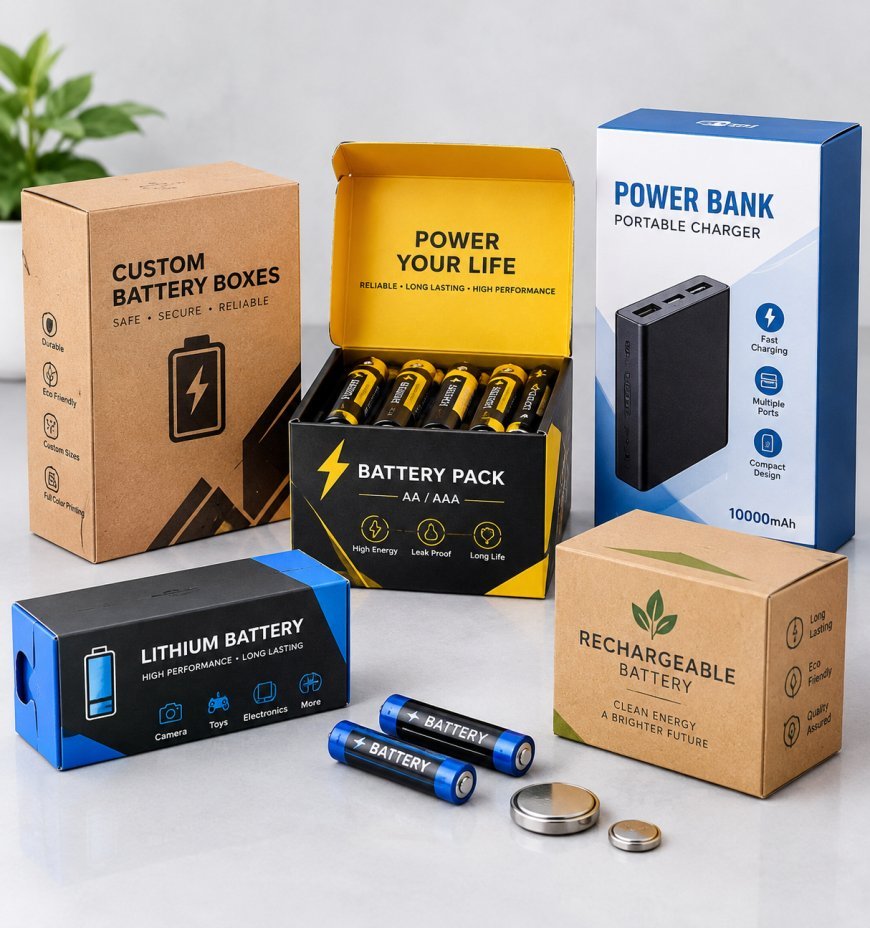
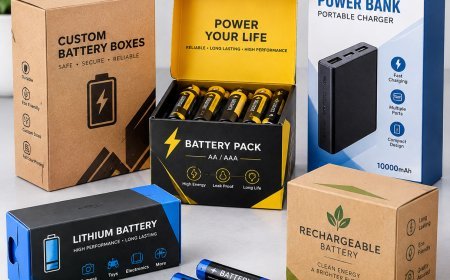
Batteries are essential components in countless products, including electronic devices, toys, remote controls, power tools, and portable accessories. Because batteries come in different sizes, shapes, and chemical types, choosing suitable packaging is important for safe handling, organised storage, and professional presentation. Custom Battery Boxes provides packaging solutions that help businesses present their battery products with a consistent and professional appearance. Well-designed packaging can support brand recognition, display important product information, and help protect batteries against damage during ordinary handling and transportation. With suitable materials, functional designs, and custom printing, businesses can develop packaging that meets their product requirements while creating a positive impression on customers.
Why Custom Battery Boxes Are Important
Battery packaging serves several purposes beyond simply holding a product. It helps keep batteries organised, supports product identification, and provides space for instructions and relevant warnings. Packaging also gives manufacturers and retailers an opportunity to communicate essential information before a customer purchases the product.
Standard packaging may not always meet the requirements of every battery type. Different batteries have different dimensions, weights, terminal configurations, and handling considerations. Custom battery boxes can be designed around the specific product, helping businesses select an appropriate structure and internal arrangement.
Professional packaging can also improve the customer experience. Clear labelling, consistent branding, and convenient opening features make products easier to recognise and handle. For businesses selling batteries through retail stores or online marketplaces, these details can contribute to a more organised and trustworthy presentation.
Choosing the Right Materials for Battery Packaging
Material selection is one of the most important steps in designing effective battery packaging. The right material depends on the battery type, packaging format, distribution method, and applicable safety requirements.
Corrugated Cardboard
Corrugated cardboard can provide additional cushioning and structural strength for shipping cartons and multipack battery packaging. Its layered construction can help resist compression and reduce damage caused by ordinary handling.
Businesses distributing batteries in larger quantities may benefit from corrugated shipping boxes with appropriately designed dividers. The complete packaging system should be evaluated to ensure that batteries remain secure throughout transportation.
Paperboard
Paperboard is commonly used for retail cartons because it offers a smooth printing surface and can be converted into different box styles. It works well for many lightweight consumer battery products when the selected board and design provide suitable protection.
Custom printing can display the product name, battery size, quantity, brand logo, and other relevant details. A carefully designed paperboard carton can help products appear consistent across different retail locations.
Kraft Packaging
Kraft paperboard offers a natural appearance that can suit brands seeking simple, understated packaging. It can be printed with logos, product information, and clear graphics while maintaining a distinctive paper-based look.
However, material selection should prioritise the specific battery's protection and safety requirements rather than appearance alone. Recyclability also depends on the exact materials, coatings, and local recycling facilities.
Custom Designs for Different Battery Types
Different batteries require different packaging approaches. Businesses should consider the battery's physical characteristics and intended use before selecting a box design.
AA and AAA Battery Boxes
AA and AAA batteries are widely used in household electronics, toys, remote controls, and other everyday devices. Packaging for these batteries may include individual compartments or a structured tray to keep multiple cells organised.
Printed cartons can clearly identify the battery size, quantity, brand, and intended application. Secure closures and suitable internal arrangements can also help keep the products in position.
Lithium Battery Packaging
Lithium batteries require particular attention to packaging and transport safety. The appropriate packaging depends on the battery chemistry, configuration, condition, and whether the product is shipped alone or installed in equipment.
Custom Electronic Boxes may form part of a packaging system that includes terminal protection, inner packaging, cushioning, and required hazard information. Businesses must follow applicable transport regulations and should not rely on an ordinary cardboard box alone to establish compliance.
Rechargeable Battery Boxes
Rechargeable batteries are commonly used in cameras, electronics, cordless equipment, and portable devices. Their packaging can include product specifications, compatibility information, charging guidance, and relevant safety instructions.
Depending on the battery design, inserts or separate compartments may help prevent movement and contact between terminals. The selected packaging must be appropriate for the battery's chemistry and intended distribution conditions.
Button Cell Battery Packaging
Button and coin cells are compact batteries used in watches, calculators, medical devices, and other small electronics. Their small size means that packaging design should consider both product security and accidental access.
Where required, businesses should use appropriate child-resistant packaging and follow the relevant product safety and labelling requirements. A visually attractive design should never compromise these protections.
Printing and Branding Opportunities
Custom printing allows battery manufacturers and retailers to create a consistent identity across their product ranges. A recognisable logo, distinctive colours, and clear typography can help customers identify a brand when comparing products.
For example, a business selling batteries for household electronics may prefer a clean design with strong contrast and easily readable specifications. A rechargeable battery brand might use a modern colour palette and graphics that communicate product features.
Printing can also help distinguish battery sizes, capacities, quantities, and compatible applications. Information should be organised logically so customers can find the details they need without confusion.
Before production, businesses should review the artwork carefully. Incorrect specifications, unclear warnings, or difficult-to-read text can create customer confusion and may lead to costly packaging revisions.
Functional Box Styles for Battery Products
The box style should match the product's size, quantity, and intended sales channel. Several packaging structures may be suitable, depending on the battery and its safety requirements.
Tuck-End Boxes
Tuck-end cartons are a familiar retail packaging option for various lightweight products. They can provide a compact format with printable surfaces for branding and product information.
Their suitability for batteries depends on the selected material, closure design, and internal protection required.
Boxes With Dividers
Dividers can help separate individual batteries or groups of cells within a package. This arrangement may reduce movement and help maintain an organised presentation.
For batteries with exposed terminals, suitable separation and insulation are especially important. The packaging design must prevent dangerous contact between conductive surfaces.
Custom Inserts
Custom inserts can hold batteries in specific positions and reduce movement inside the outer box. They may be made from suitable paperboard, moulded materials, or other materials selected for the battery's requirements.
The insert should fit securely without placing excessive pressure on the product. For regulated batteries, the complete package must also meet applicable safety and transportation standards.
Shipping Cartons
Shipping cartons are useful for businesses distributing batteries in bulk or fulfilling online orders. Corrugated construction and suitable internal supports can help protect packaged products against ordinary handling and stacking.
The outer shipping carton does not replace any required battery-specific inner packaging, terminal protection, or hazard labels.
Battery Safety and Labelling Considerations
Battery packaging must account for safety as well as appearance. Certain battery types, particularly lithium batteries, can present fire or short-circuit hazards when damaged, improperly packed, or exposed to conductive materials.
Packaging designers should consider terminal insulation, prevention of movement, protection from crushing, and separation between individual cells where necessary. Damaged or defective batteries may require special handling and must not automatically be packed using the same procedures as ordinary products.
Businesses shipping batteries should verify the current requirements that apply to their product, shipment configuration, carrier, and destination. These requirements may cover packaging performance, marking, documentation, and dangerous-goods procedures.
Product labels should also provide accurate specifications and relevant warnings. When selling in Canada, businesses should review applicable Canadian product safety, labelling, and transportation requirements before approving packaging artwork.
Sustainable Packaging Considerations
Businesses increasingly evaluate packaging materials based on material use, durability, and end-of-life disposal. Right-sized cartons and efficient structural designs can reduce unnecessary packaging material while still providing suitable protection.
Paper-based packaging may be an option for some battery products, particularly when the design can meet the necessary safety requirements without excessive additional materials.
However, environmental considerations must remain secondary to battery safety. Businesses should verify the actual recyclability of their packaging components and avoid unsupported claims about environmental benefits.
How to Choose the Right Custom Battery Boxes
Selecting suitable battery packaging starts with understanding the product. Businesses should identify the battery chemistry, dimensions, quantity per package, terminal design, and intended distribution method.
Next, they should determine the appropriate material, box structure, and internal protection. Products sold individually at retail may require a different packaging solution from batteries shipped in bulk to distributors.
It is also helpful to consider printing requirements, production quantities, storage space, and delivery timelines. Reviewing a sample before placing a large order can help identify fit, closure, and presentation issues.
Most importantly, businesses should confirm that the complete packaging system meets all applicable product and transportation requirements. Working with an experienced packaging supplier can help clarify design options and identify the information needed before production.
Conclusion
Custom battery boxes combine product presentation, organisation, branding, and practical protection in one packaging solution. From everyday AA and AAA batteries to rechargeable cells and lithium battery products, packaging should be designed according to the battery's specific characteristics and safety requirements.
By choosing suitable materials, functional structures, clear printing, and appropriate protective features, businesses can develop packaging that supports both customer needs and operational requirements. Battery safety and regulatory compliance should always guide the final design.
Businesses looking for packaging solutions for battery products can explore the options available through Custom Boxes Zone Canada to find designs that align with their product specifications, branding goals, and packaging requirements.
What's Your Reaction?
 Like
0
 Dislike
0
 Love
0
 Funny
0
 Angry
0
 Sad
0
 Wow
0