

























Do Hair Transplant Prices in the Philippines Include Aftercare?
Discover whether hair transplant prices in the Philippines cover aftercare services. Learn key factors influencing costs and what to ask clinics before committing.
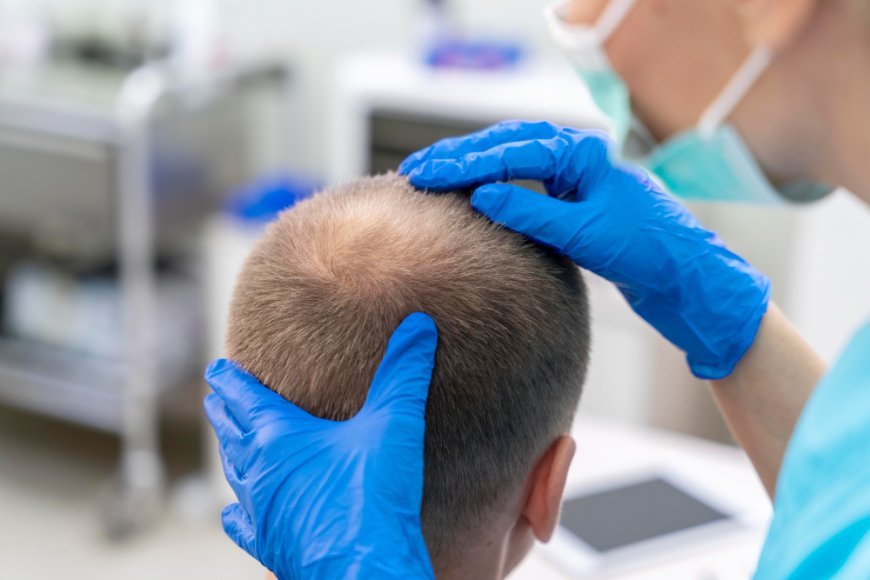
Hair loss solutions require careful planning, especially when budgeting for procedures like hair transplants. Many Filipinos ask if hair transplant prices include aftercare, as post-procedure support directly impacts results. The answer varies by clinic, so understanding what each package covers helps you make informed choices.
Understanding Hair Transplant Costs
Procedure Breakdown
Hair transplant costs typically cover the surgery itself, including extraction and implantation. However, aftercare—like follow-up visits or specialized shampoos—may not always be included. Clinics often itemize these services, requiring patients to pay extra for extended support.
Additional Fees to Consider
Beyond the base price, fees for consultations, medications, or emergency checkups might apply. Request detailed quotes to avoid surprises. Some clinics bundle these into packages, while others charge separately for each service.
Medication and Topical Treatment Costs
Post-transplant care often requires antibiotics, anti-inflammatory drugs, or medicated shampoos. These may be excluded from base pricing, adding 5–10% to total expenses. Confirm whether these items are included or billed separately.
What Aftercare Involves
Immediate Post-Procedure Care
After a transplant, clinics usually provide short-term care instructions, such as avoiding direct sunlight or using specific lotions. This phase lasts weeks, and some providers include these items in their pricing.
Long-Term Maintenance
Maintaining results often requires ongoing treatments like minoxidil or PRP therapy. These might not be part of standard packages, so confirming long-term costs upfront helps with financial planning.
How Clinics Structure Packages
All-Inclusive vs. Itemized Pricing
Some clinics offer all-inclusive deals covering surgery and aftercare, while others itemize costs. All-inclusive plans simplify budgeting but may cost more upfront. Itemized pricing allows customization but risks overlooked expenses.
Trial Periods or Guarantees
A few providers include free follow-ups or touch-ups within a set period. Clarify the duration and scope of these guarantees before agreeing to a plan.
Factors Affecting Inclusions
Clinic Reputation and Expertise
Established clinics with certified specialists often include comprehensive aftercare, reflecting their confidence in results. Less experienced providers might exclude these to keep prices low, which can increase long-term risks.
Evaluating Value for Money
Short-Term vs. Long-Term Costs
Choosing the cheapest option might lead to higher expenses if complications arise. Choose clinics that balance upfront costs with reliable aftercare to protect your investment.
Quality of Support Services
Effective aftercare includes clear communication channels, timely appointments, and access to specialists. Assess these factors alongside pricing to gauge true value.
Patient Reviews and Testimonials Analysis
Review online feedback focusing on post-op experiences. Look for recurring complaints about hidden fees or inadequate follow-up care. Authentic reviews often highlight gaps in aftercare coverage.
Questions to Ask Before Committing
Clarifying Package Details
Ask clinics to list all services included in their pricing. Key questions include: “Are follow-up visits free?” and “What happens if I need revisions?” Written confirmation prevents misunderstandings.
Hidden Costs to Watch For
Inquire about extra charges for medications, emergency visits, or maintenance treatments. Knowing these details helps avoid unexpected expenses after surgery.
Realistic Expectations Post-Procedure
Recovery Timeline
Full recovery takes months, with visible results appearing after six to nine months. Aftercare packages should cover this period to ensure proper healing and hair growth.
Role of Patient Compliance
Even with included aftercare, following clinic instructions matters. Skipping prescribed routines can undermine results, regardless of package inclusions.
Comparing Aftercare Components Across Clinics
Standardized vs. Customized Plans
Some clinics offer one-size-fits-all aftercare, while others tailor plans to individual needs. Customized support might include personalized product recommendations or dietary advice. Patients should compare the flexibility of each provider’s approach.
Access to Advanced Tools
High-end clinics may provide tools like scalp massagers or LED therapy devices as part of aftercare. These can enhance recovery but are rarely included in basic packages. Confirm whether such tools are loaned, gifted, or require separate purchase.
Financial Planning for Hair Transplants
Budgeting for Unpredictable Costs
Set aside 10–15% of your total budget for unplanned expenses like extended medication use or unexpected follow-ups. This buffer ensures financial stability post-procedure.
Payment Plans and Financing Options
Some clinics partner with financing companies to offer installment plans. Review interest rates and repayment terms carefully. Avoid schemes that lock you into long-term debt without clear aftercare guarantees.
Assessing Clinic Credentials for Aftercare
Staff Qualifications
Verify if aftercare is managed by licensed nurses, trichologists, or technicians. Higher-qualified staff often correlate with more thorough support. Ask about the team’s experience in post-transplant care specifically.
Facility Standards
Visit the clinic to check hygiene levels, storage conditions for medications, and availability of emergency equipment. A well-maintained facility reduces infection risks and ensures safer follow-up care.
Handling Complications and Revision Procedures
Defining Revision Policies
Clarify the clinic’s policy on revisions if grafts fail to grow or scarring occurs. Some include one free revision within 12 months, while others charge full price for corrective work.
Emergency Support Availability
Check if the clinic offers 24/7 emergency contact for urgent issues like infections or excessive bleeding. Reliable emergency protocols can prevent minor issues from escalating.
Key Takeaways
Hair transplant prices vary widely, and aftercare inclusion depends on the clinic’s policies. Confirm what each package covers, and choose providers offering transparent, long-term support.
What's Your Reaction?
 Like
0
Like
0
 Dislike
0
Dislike
0
 Love
0
Love
0
 Funny
0
Funny
0
 Angry
0
Angry
0
 Sad
0
Sad
0
 Wow
0
Wow
0