
















Is Sound Bath Meditation in Charlotte, NC Right for You? Who It Suits, Safety Tips and How to Practice at Home

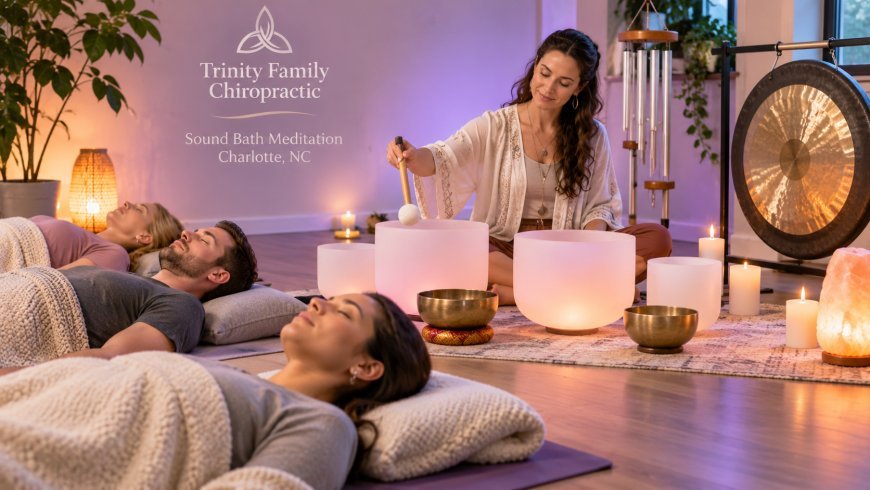
Sound baths suit most healthy adults who want an easy, structured way to relax, but people who are pregnant, have seizures, hearing problems, significant anxiety or trauma, or recent injuries should check with their provider and tell the facilitator before joining. With a few simple adjustments, most people can take part comfortably.
I get two kinds of questions about sound baths. The first is "Will I like it?" The second, which matters just as much, is "Is it okay for someone like me?" This post answers both.
I'll cover who tends to get the most from sound bath meditation in Charlotte, NC, what is known about safety, who should check with a provider first, practical adjustments that make sessions comfortable for different bodies and needs, how to practice at home, and how to choose a facilitator you'll trust.
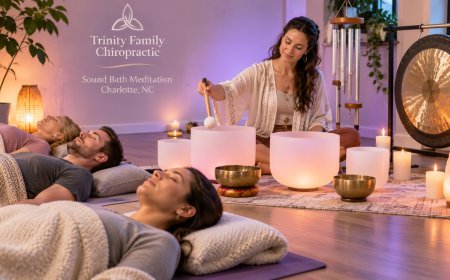
If you live near University City or Mallard Creek, Trinity Family Chiropractic is planning small group sessions and shares details about its upcoming sound bath meditation in Charlotte, NC, which are designed for relaxation, mindfulness and rest, with no prior meditation experience needed.
Who tends to enjoy sound baths?
People who tend to enjoy sound baths are those who want to relax but struggle to switch off on their own, including busy professionals, parents, students, people new to meditation and anyone who finds silence harder than sound. Here's a closer look.
Busy professionals
If your day is meetings, screens and notifications, an hour with no input except sound can feel like a reset button. Many professionals tell me it's the only time in the week they're not checking a device.
Parents
Parents rarely get uninterrupted time. A sound bath is one hour where no one needs anything from you. For many moms and dads, that alone is worth the trip.
People who "can't meditate"
If silent meditation leaves you more restless than when you started, a sound bath may suit you better. The sound gives your attention somewhere to land, so you don't have to fight your thoughts.
Students and young adults
Exam stress, new jobs and constant screen time all add up. A sound bath is an approachable introduction to relaxation practices without a big time commitment.
Older adults
Many older adults enjoy sound baths because they're gentle and require no movement. Comfort and access matter more here, such as chairs instead of floor mats, which a good facilitator will happily arrange.
Patients in ongoing care
People who already see a chiropractor, physical therapist or other provider sometimes add a sound bath as a calm, separate way to unwind. It doesn't replace their care, but it can be a welcome extra.
Is a sound bath safe?
For most healthy adults, a sound bath is a low-risk relaxation practice, but like any meditation-style practice, it isn't completely free of risk, and a small number of people may feel more anxious or uncomfortable rather than calmer. Knowing that ahead of time helps you go in prepared.
The National Center for Complementary and Integrative Health notes in its overview of meditation and mindfulness safety that these practices are usually considered to have few risks, but that few studies have looked closely for harmful effects. It describes a 2020 review of 83 studies with 6,703 participants which concluded that about 8 percent of participants had a negative effect from practicing meditation, similar to rates reported for psychological therapies. The most commonly reported negative effects were anxiety and depression.
Sound baths haven't been studied in the same depth, but the takeaway is similar. Most people find them calming. A few may find that lying still in a dim room, with their thoughts and strong sounds, brings up difficult feelings or discomfort. That's not a reason to avoid sound baths, but it is a reason to know your own history, choose a thoughtful facilitator, and feel free to sit up or step out at any time.
The other safety points are practical: volume, positioning, getting up slowly afterward and not driving while groggy. I'll cover those below.
What a sound bath can and can't do
A sound bath can give you a calm, structured hour to rest, help you notice and release tension, and offer a short-term lift in mood for many people. It can't diagnose or treat medical conditions, replace therapy or medication, or fix the causes of stress in your life. Keeping both lists in mind helps you get the most out of it.
What a sound bath can reasonably offer:
- A break from screens, noise and responsibilities
- An easy entry point to meditation and mindfulness
- A chance to notice where you hold tension
- A sense of calm that some people carry into the evening
- A regular ritual that reminds you to look after yourself
What a sound bath isn't designed to do:
- Cure anxiety, depression, insomnia, high blood pressure or chronic pain
- Replace care from your doctor, therapist or other providers
- Heal injuries or correct physical problems
- Work the same way for everyone
When people come in with realistic expectations, they're usually pleasantly surprised. When they come in expecting a cure, they're more likely to feel let down, even if the session itself was relaxing.
Who should check with a provider first?
You should check with your doctor or other provider before a sound bath if you're pregnant, have epilepsy or a seizure disorder, have significant hearing problems or tinnitus, are living with serious anxiety, depression, PTSD or trauma, or are recovering from surgery or a recent injury. That doesn't mean you can't go. It means a quick conversation helps you go safely.
Pregnancy
Many pregnant women find sound baths deeply relaxing, and relaxation can be a welcome break from the aches and worries of pregnancy. A few adjustments make sessions more comfortable and safer:
- Check with your OB or midwife first, especially if your pregnancy is high risk.
- Avoid lying flat on your back for long periods later in pregnancy. Lie on your left side with pillows between your knees and under your belly, or sit supported.
- Ask about volume and instrument placement. Sitting a little farther from gongs or drums can be more comfortable.
- Get up slowly. Roll to your side and push up with your arms.
- Stay hydrated and use the restroom beforehand.
If you're also dealing with back, hip or pelvic discomfort during pregnancy, that's worth having evaluated separately. Trinity Family Chiropractic offers gentle prenatal chiropractic care in Charlotte that works alongside your OB or midwife. A sound bath can be a relaxing extra, but it isn't a substitute for prenatal care.
Anxiety, depression and trauma
For many people with everyday anxiety, sound baths are calming. For some people with significant anxiety, depression, PTSD or a history of trauma, lying still in a dim room with strong sounds and few distractions can occasionally bring up difficult feelings, memories or panic.
If this applies to you, a few steps can help:
- Talk with your therapist or doctor first. They know your history and can help you decide.
- Tell the facilitator what you're comfortable sharing, so they can check in or suggest a spot near the door.
- Keep your eyes open if closing them feels unsafe.
- Sit up instead of lying down if that feels more grounded.
- Choose gentler instruments. Crystal bowls and chimes often feel softer than loud gongs.
- Leave if you need to. You never have to stay.
If you're in crisis or thinking about harming yourself, a sound bath isn't the right first step. Call or text 988 to reach the 988 Suicide and Crisis Lifeline, or call 911.
Hearing problems, tinnitus and sound sensitivity
If you have tinnitus, hyperacusis, hearing aids or a history of sound-triggered headaches or migraines, sound baths can still work, but volume matters. Ask the facilitator how loud the session gets, sit farther from the instruments, and bring earplugs to soften the sound without blocking it entirely. If you use hearing aids, ask your audiologist whether to wear them, turn them down or take them out.
Epilepsy and seizure disorders
If you have epilepsy or a seizure disorder, talk with your neurologist before trying a sound bath, especially if certain sounds, rhythms or lighting have been triggers for you. Let the facilitator know, and consider bringing someone with you for your first session.
Pain, recent injury and mobility
Lying on the floor for an hour can be hard on a sore back, a recent surgery or stiff joints. Ask whether chairs, recliners or extra cushions are available. A pillow under your knees often takes pressure off the lower back. If you're recovering from surgery or a significant injury, check with your provider about positioning first.
Kids and teens
Some sound baths welcome older kids and teens, while others are adults only. Ask the host about age guidelines. For children, shorter sessions, a parent nearby and gentle volume are good starting points. Younger kids often do better with a short guided relaxation than a full hour of stillness.
Questions to bring to your provider
If you fall into any of the groups above, a short conversation with your doctor, midwife, therapist or audiologist can settle most concerns. Questions worth asking include:
- Is there any reason I shouldn't lie still for an hour, or lie on my back?
- Are loud or low-pitched sounds a concern for my hearing or my condition?
- Are there warning signs that should make me stop or leave a session?
- Would sitting up, keeping my eyes open or bringing a support person help?
- Should I try a shorter recording at home first?
Write down the answers and share what's relevant with the facilitator. With that information, most people can find a version of sound bath meditation in Charlotte, NC that feels safe and comfortable for their body and history.
Practical adjustments that make sessions comfortable
Most comfort problems at a sound bath come down to position, temperature, volume and getting up too fast, and each one has a simple fix. A thoughtful facilitator will help, but it's worth knowing these yourself.
- Position. You don't have to lie flat. Side-lying, sitting in a chair or reclining against a wall all work. Use pillows under your knees, head or belly.
- Temperature. Bring a blanket and socks. Bodies cool as they relax.
- Volume. Choose a spot farther from louder instruments, or use earplugs.
- Light. An eye mask helps if light bothers you. If darkness feels uneasy, keep your eyes open or sit near a window or door.
- Movement. Shift whenever you need to. Quiet movement doesn't disturb anyone.
- Getting up. Roll to your side, pause, then push up. Sit for a minute before standing.
- Driving. Give yourself a few minutes before getting behind the wheel, especially if you feel groggy.
When I talk with people before their first session, the single most useful tip is this: you're allowed to make yourself comfortable. Nobody is grading your stillness.
How to practice sound bath meditation at home
You can practice a simple version of a sound bath at home by setting up a quiet, comfortable space, playing a recording of singing bowls or chimes at a low volume, and lying or sitting still for 10 to 30 minutes. It won't feel exactly like a live session, but it builds the same habit between visits.
Set up your space
- Pick a quiet room and silence your phone.
- Dim the lights or use a lamp.
- Lie on a yoga mat, rug or bed, with a pillow under your head and knees.
- Have a blanket nearby.
Choose your sound
- Recordings. Search for singing bowl or sound bath meditation recordings. Choose ones without sudden loud sections.
- Headphones or speakers. Headphones block outside noise, but keep the volume low. Speakers feel more like a live session.
- Your own bowl or chime. Some people buy a single singing bowl or chime to use at the start and end of a home practice. You don't need a full set.
A simple 20-minute home session
- Two minutes: Settle in. Notice your breath without changing it.
- Three minutes: Scan your body from head to toe, letting each area soften.
- Twelve minutes: Listen to the recording. When your mind wanders, return to the sound.
- Three minutes: Let the sound fade. Wiggle fingers and toes, roll to your side and sit up slowly.
How often to practice at home
Even two or three short sessions a week can make it easier to relax. Many people combine a home practice with an occasional live session of sound bath meditation in Charlotte, NC, which gives them a deeper reset and a chance to experience live instruments.
How to choose a sound bath facilitator
A good sound bath facilitator explains what will happen, asks about health concerns, keeps volume comfortable, welcomes adjustments and never makes medical promises. Those few things tell you most of what you need to know about whether you'll feel safe.
When you compare options for sound bath meditation in Charlotte, NC, here's what to look for:
- Clear communication. You know the length, cost, instruments and what to bring before you arrive.
- A health check-in. They ask about pregnancy, injuries, hearing issues and anything else you'd like them to know.
- Flexible setup. Chairs, extra cushions and quieter spots are available.
- Comfortable volume. Sound fills the room without being overwhelming.
- No pressure. You can sit up, move or leave without explanation.
- Honest framing. They describe sound baths as relaxation and mindfulness, not as cures for medical conditions.
- Small groups. Smaller sessions often feel calmer and more personal.
Red flags include promises that a sound bath will cure illness, advice to stop medication or skip medical care, pressure to buy expensive packages, and dismissing your safety questions.
If you're looking for something local and low-key near Mallard Creek, the small group sessions Trinity is planning are one option worth watching. Dates and registration details are shared once they're finalized, and space is limited, so the waitlist is the best way to hear first. Whoever you choose, the right fit for sound bath meditation in Charlotte, NC is a facilitator who makes you feel comfortable asking questions.
How to tell whether sound baths are working for you
Sound baths are working for you if you leave feeling calmer, sleep a little better, notice less tension in your body, or find it easier to slow down during the week. If you consistently feel more anxious, unsettled or uncomfortable, it may not be the right practice for you right now, and that's okay.
A simple way to check is to keep a short note after each session:
- Before: How stressed, tense or tired do I feel, from 1 to 10?
- After: Same scale, right after the session.
- That night: How did I sleep?
- A few days later: Did any calm carry over?
After three or four sessions, look at the pattern. Many people see a clear lift. Some see little change. A few notice they feel worse. If you're in the last group, try a gentler setup: sitting up, eyes open, quieter instruments, a shorter session. If that still doesn't help, other relaxation practices like walking, breathing exercises or yoga may suit you better, and it's worth talking with your provider if stress or anxiety is a big concern.
There's no wrong answer. The goal is to find practices that genuinely help you, not to force one that doesn't.
Sound baths and the rest of your care
A sound bath fits best as one piece of a healthy routine, alongside sleep, movement, good nutrition, connection with others, and care from your doctor and other providers. It isn't a stand-alone treatment for any medical or mental health condition.
If you're under care for pain, pregnancy, an injury or a mental health condition, let your providers know you're trying sound baths. Most will be supportive, and some may have helpful suggestions about positioning or what to watch for. In my experience, the people who enjoy sound bath meditation in Charlotte, NC the most are the ones who treat it as a regular, gentle reset, not a fix for everything.
Frequently asked questions
1. Is sound bath meditation in Charlotte, NC safe for most people?
For most healthy adults, sound baths are a low-risk relaxation practice. People who are pregnant, have seizures, hearing problems, significant anxiety or trauma, or recent injuries should check with their provider first.
2. Can I go to a sound bath while pregnant?
Many pregnant people do. Check with your OB or midwife, avoid lying flat on your back later in pregnancy, use pillows to lie on your side, and tell the facilitator.
3. Can a sound bath make anxiety worse?
For most people it's calming, but a small number feel more anxious when lying still with their thoughts. Keeping your eyes open, sitting up and choosing gentler sounds can help.
4. Are sound baths okay if I have tinnitus?
Often yes, with care. Ask about volume, sit farther from the instruments, bring earplugs, and stop if your symptoms get worse.
5. Should people with epilepsy try sound baths?
Talk with your neurologist first, especially if sounds, rhythms or lighting have triggered seizures before, and let the facilitator know.
6. Can kids attend sound baths?
Some sessions welcome older kids and teens, while others are adults only. Ask about age guidelines, and keep sessions shorter and quieter for children.
7. What if I can't lie on the floor?
Ask for a chair, recliner or extra cushions. You can sit up for the whole session and still enjoy it.
8. Can I do a sound bath at home?
Yes. A recording of singing bowls at a low volume, a quiet room and 10 to 30 minutes of rest make a simple home practice.
9. What are the side effects of a sound bath?
Most people feel calm or sleepy. Some feel emotional, restless, dizzy when getting up too fast, or briefly more anxious. Move slowly and drink water afterward.
10. How do I choose a good sound bath facilitator?
Look for clear communication, a health check-in, comfortable volume, flexible setup and honest framing with no medical promises.
Final thoughts
Sound baths are one of the most accessible relaxation practices out there. You don't need flexibility, experience or special equipment. You need a comfortable spot, an open mind and an hour.
Most healthy adults can take part without any problems. If you're pregnant, live with anxiety or trauma, have hearing issues or seizures, or are recovering from an injury, a quick conversation with your provider and a few simple adjustments can make the experience safe and comfortable for you too.
Try it, notice how you feel, and keep what helps. Whether you join a small group session of sound bath meditation in Charlotte, NC near University City or start with ten minutes on your living room floor, the goal is the same: giving your body and mind a regular chance to rest. And if a local, small-group session of sound bath meditation in Charlotte, NC sounds like a good fit, join the waitlist and keep an eye out for upcoming dates.
What's Your Reaction?
 Like
0
 Dislike
0
 Love
0
 Funny
0
 Angry
0
 Sad
0
 Wow
0