





















After a Car Accident in Kansas City: A Practical Recovery Roadmap From the First Hour to the First Few Months
Just had a crash? Follow this step-by-step recovery roadmap, from the first hour to the first months, and learn when to see an auto accident chiropractor in Kansas City.

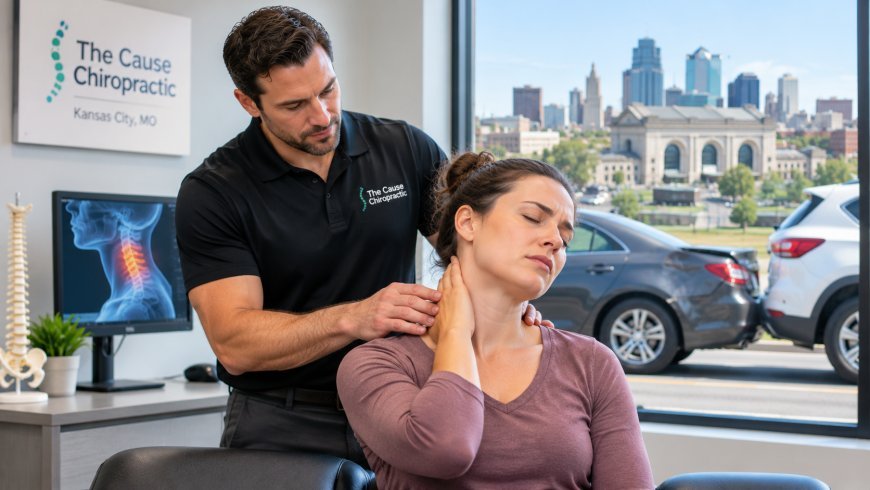
A car accident turns an ordinary day upside down in seconds. One moment you are driving to work on US-169 or picking up groceries near Barry Road, and the next you are standing on the shoulder with your hazard lights on, heart pounding, trying to remember what you are supposed to do. Most of us never practice for this moment, so it is no surprise that people forget important steps, especially when it comes to their own health. This guide is meant to fill that gap, and to explain where an auto accident chiropractor in Kansas City fits into the bigger picture of recovering well.
In my experience researching injury recovery, people tend to handle the car well and their bodies poorly. They get the tow truck, file the claim and pick up the rental. But they skip the medical check, ignore the stiff neck for a week and only start paying attention when the pain refuses to fade. By then, recovery can take longer than it needed to.
I have organized this article as a timeline. You can read it start to finish now, or come back to the section that matches where you are.
The First Hour: Safety and Emergency Signs
The first priority after any crash is safety. Move to a safe place if you can, turn on your hazard lights, call 911 if anyone is hurt or vehicles are blocking traffic, and check on everyone involved.
Then, check yourself honestly. Some injuries need emergency care right away. Call 911 or go to an emergency department if you or anyone else has:
- Loss of consciousness, even briefly
- Severe pain in the neck or back, especially with trouble moving
- Numbness, tingling or weakness in the arms or legs
- Chest or abdominal pain
- Trouble breathing
- Obvious broken bones or heavy bleeding
- Confusion, slurred speech or unusual behavior
The CDC's guidance on mild traumatic brain injury and concussion warning signs explains that symptoms can affect how a person feels, thinks, acts or sleeps, and that problems may be overlooked by the injured person, their family or even their healthcare provider. It also lists danger signs that call for immediate emergency care, including having one pupil larger than the other, becoming confused, restless or agitated, and losing consciousness or being very hard to wake. A jolt to the body can cause a concussion even without a direct hit to the head, so take these signs seriously.
The First Day: Document Everything
Once everyone is safe and emergencies are handled, the next priority is information. In the chaos after a crash, details fade quickly. The more you write down now, the easier everything becomes later.
Here is what I suggest capturing:
- Photos of all vehicles, damage, license plates, the road, traffic signs and weather conditions
- Other driver's information: name, phone, insurance company and policy number
- Witness names and contact details
- Police report number and the responding agency
- Time and location of the crash
- How the crash happened, written in your own words while it is fresh
- How you feel physically, even if you think you are fine
That last point is the one most people skip. Write a quick note like "slight stiffness in neck, headache, feeling shaky." It may seem minor now, but it creates a record of how you felt immediately after the crash.
The First 72 Hours: Watch for Delayed Symptoms
This is the window where many injuries announce themselves. The Cause Chiropractic notes on its auto accident page that symptoms can take days or even weeks to fully manifest, and that people should get checked even without significant pain because hidden injuries may appear later.
During the first three days, pay attention to:
- Neck pain or stiffness, especially when turning your head
- Headaches, particularly at the base of the skull
- Back pain or stiffness, including the lower back
- Shoulder pain or pain between the shoulder blades
- Dizziness or feeling off balance
- Tingling or numbness in the arms or hands
- Trouble sleeping or concentrating
- Feeling unusually tired, irritable or anxious
Keep a simple daily log. Note what hurts, how much, and what makes it better or worse. This log will help any provider you see, and it can also be useful if you need to document your injuries for insurance or legal purposes.
The First Week: Get Evaluated
By the end of the first week, I strongly suggest getting a professional evaluation, even if your symptoms seem mild. For soft tissue injuries, that might mean seeing an auto accident chiropractor in Kansas City once any emergency concerns have been ruled out. If you went to the emergency room, follow up as instructed. If you did not, now is the time.
The Cause Chiropractic recommends seeking care as soon as possible after an accident and describes early intervention as a way to prevent underlying issues from becoming chronic. Its approach to auto accident care includes:
- A detailed evaluation to identify misalignment and soft tissue strain
- A personalized treatment plan tailored to your injuries
- Gentle, precise chiropractic adjustments targeting spinal misalignment
- Education about how care supports your recovery
- Ongoing care when appropriate for long-term alignment and injury prevention
What to bring to your first visit
- Your accident notes and photos
- Your daily symptom log
- Any emergency room or urgent care paperwork
- Your insurance information
- Contact details for your attorney, if you have one
- A list of medications and previous injuries
Questions worth asking
- What injuries do you see, and how severe are they?
- Do I need imaging or a referral to a medical doctor?
- What does my treatment plan look like, and how often will I come in?
- What should I avoid while I recover?
- How will we measure progress?
- How do you work with insurance or attorneys?
Weeks Two to Six: Active Recovery
This is often the core of recovery. Inflammation usually begins to settle, and the focus shifts from calming pain to restoring movement and function.
During this phase, an auto accident chiropractor in Kansas City may focus on improving spinal movement, reducing muscle tension and helping you gradually return to normal activities. The Cause Chiropractic describes its care as individualized, with treatment plans built around each person's injuries.
What you do between visits matters just as much. I recommend:
- Staying gently active. Walking and comfortable movement usually help more than staying in bed.
- Following home instructions. Stretches, posture changes and activity guidelines are part of the treatment.
- Pacing your return to activity. Ease back into workouts, yard work and heavy lifting.
- Keeping your log going. Track progress and setbacks so your provider can adjust the plan.
- Communicating changes. New symptoms, worsening pain or anything unusual should be reported right away.
Signs you are on the right track
- Pain is less intense and less frequent
- Your neck and back move more freely
- Headaches are less common
- You sleep better
- You can do more at work and home before discomfort sets in
Signs you need to reassess
- Pain is getting worse instead of better
- New numbness, tingling or weakness appears
- Headaches are worsening or come with confusion or vomiting
- Progress has completely stalled after several weeks
If any of these happen, your provider should reassess and may refer you for imaging or to a medical doctor.
Weeks Six to Twelve: Building Back Strength
As pain settles, many people stop care too early. They feel mostly better and assume the job is done. In my experience, this is where long-term problems often start.
The Cause Chiropractic's page talks about supporting long-term recovery, noting that ongoing care can help prevent chronic pain, stiffness and reduced mobility. Injured tissues may feel better before they are fully strong and stable. If you return to full activity without rebuilding strength and normal movement, you may be more vulnerable to flare-ups.
This phase is about:
- Restoring full range of motion
- Rebuilding strength in the muscles that support your neck and back
- Returning to all of your normal activities, including exercise and sports
- Learning how to manage any lingering stiffness on your own
The clinic also notes that active people and those with physically demanding jobs are particularly good candidates for continued care, since their daily lives put more stress on the body.
Months Three and Beyond: Staying Well
For most people with soft tissue injuries, the goal is to get back to life as it was before the crash. Some people continue with periodic care, especially if they have demanding jobs, are very active or had more significant injuries. Others move to a home routine and check in only if something flares up.
The Cause Chiropractic presents ongoing care as a way to maintain alignment and help prevent future problems, including degenerative conditions such as arthritis. Whatever path you take, I suggest keeping a few habits from your recovery:
- A short daily stretching or mobility routine
- Good posture habits at work and while driving
- Regular movement breaks if you sit for long periods
- Attention to early warning signs before small aches become big ones
How the Type of Crash Shapes Your Injuries
Not every collision affects the body the same way. Knowing how your crash happened can help you and your provider understand what to look for.
Rear-end collisions
These are the classic cause of whiplash. Your body is pushed forward with the seat while your head lags behind and then snaps forward. Neck pain, headaches at the base of the skull and upper back pain are common afterward.
Side-impact collisions
Being hit from the side, often called a T-bone crash, can push the head and body sideways. This may strain the side of the neck, the shoulders and the ribs, and it can also affect the lower back and hips depending on where the impact landed.
Front-end collisions
When you hit something in front of you, your body moves forward against the seat belt. Chest and shoulder soreness from the belt is common, along with neck strain and lower back pain.
Low-speed parking lot bumps
These often seem harmless, but The Cause Chiropractic notes that even minor accidents can cause significant damage to the body. If your head was turned or you were not braced, even a small bump can strain soft tissues.
When you see an auto accident chiropractor in Kansas City, describe the crash in as much detail as you can: which direction the impact came from, whether you saw it coming, how your head was positioned and whether your airbags deployed. These details help guide the exam.
Back Pain After a Crash
Neck injuries get most of the attention, but back pain is just as common after an accident. The Cause Chiropractic lists back pain and lower back pain among the conditions it addresses after auto accidents.
Back pain after a crash can come from strained muscles, irritated joints or stress on the spine from the sudden movement. It often shows up as:
- Stiffness when getting out of bed or a chair
- Pain when bending, lifting or twisting
- Aching after sitting or driving for long periods
- Pain that travels into the hips or buttocks
If back pain comes with numbness, tingling or weakness in the legs, or with changes in bladder or bowel control, seek medical care right away. Those signs can point to nerve involvement that needs prompt attention.
For more typical back strain, the same recovery principles apply: get evaluated, stay gently active, follow your plan and rebuild strength before returning to heavy lifting.
Sleep: The Underrated Part of Recovery
Pain and stress can make sleep difficult after a crash, and poor sleep can make pain feel worse. It becomes a frustrating cycle.
A few things that often help:
- A pillow that keeps your neck in a neutral position, neither too high nor too flat
- Sleeping on your back or side rather than your stomach, which twists the neck
- A consistent bedtime and wake-up time
- Limiting screens in the hour before bed
- Gentle stretching or relaxation breathing before sleep
The Cause Chiropractic mentions sleep among the emotional and physical effects it acknowledges after accidents. If sleep problems persist, mention them to your provider or doctor.
Returning to Exercise and Sports
For active people, one of the hardest parts of recovery is waiting to get back to the gym, the running trail or the softball field. It is tempting to jump back in as soon as the pain eases.
I suggest a gradual approach:
- Start with walking and gentle mobility once your provider clears you.
- Add light strength work for the muscles around the injured area.
- Increase intensity slowly, watching for any return of pain.
- Avoid high-impact or contact activities until you have full, comfortable movement.
- Listen to your body. Mild soreness can be normal; sharp or worsening pain is a signal to back off.
The Cause Chiropractic specifically mentions active people as strong candidates for ongoing care. If staying active is important to you, tell your auto accident chiropractor in Kansas City about your training so your plan can include a realistic return to the activities you love.
Handling Insurance, Attorneys and Payment
The financial side of a car accident can be one of the most stressful parts. The Cause Chiropractic's page states that it accepts self-pay and insurance, listing BCBS, Aetna, Ambetter and Medicare, and that the team works with your attorney so you can focus on healing.
I am not a lawyer, and coverage rules vary by policy and situation, so I always recommend confirming details with your insurance company or attorney. That said, a few habits make the process easier:
- Report the accident to your insurer promptly.
- Keep every receipt and record from medical visits, chiropractic care, prescriptions and related costs.
- Track time missed from work and how your injuries affect daily life.
- Ask for copies of your treatment records when needed.
- Avoid signing anything you do not understand, and ask questions.
If you are working with an attorney, let your providers know early so communication goes smoothly.
Do Not Forget the Passengers
When a crash happens, attention naturally goes to the driver. But everyone in the car experiences the same sudden forces, and passengers are often the ones who brush off their own symptoms because they were "just along for the ride."
A few groups deserve extra attention:
Children. Kids may not be able to describe what hurts. Instead, they may become cranky, clingy, have trouble sleeping, complain of headaches or tummy aches, or avoid activities they normally enjoy. Watch for changes in behavior over the days after a crash, and seek medical care right away for any concussion warning signs.
Older adults. Older passengers may have less flexibility and more existing wear in the spine, which can make soft tissue injuries more painful or slower to heal. They may also downplay symptoms to avoid being a burden. Gentle encouragement to get checked is worth it.
Pregnant passengers. Anyone who is pregnant should contact their obstetric provider promptly after any crash, even a minor one, before considering other care.
People with previous injuries. If you already had neck or back problems before the crash, a new injury can aggravate old ones. Mention your history at your evaluation.
If several people were in the car, it often makes sense to have everyone evaluated. An auto accident chiropractor in Kansas City who also offers family care can make that easier, but whatever provider you choose, the key is making sure no one's injuries are overlooked simply because they were not behind the wheel.
The Emotional Side of Recovery
Recovery is not only physical. The Cause Chiropractic acknowledges the emotional effects of a crash, including changes in mood, sleep and stress. In my experience, many people feel jumpy behind the wheel, have trouble sleeping or replay the accident in their minds for weeks.
Some things that can help:
- Talking about the experience with people you trust
- Easing back into driving with short, familiar routes
- Keeping a regular sleep routine
- Getting outside and moving your body
- Reaching out to your doctor or a counselor if anxiety or low mood does not improve
Taking care of your mental health is part of recovering well, not a separate issue. I would also add that recovery from a crash can strain relationships and routines. You might need help with school pickups, groceries or household chores for a while, and asking for it is not a weakness. Letting family, friends or coworkers know what you are dealing with often makes the whole process lighter. People are usually more willing to help than we expect, and having support makes it easier to keep appointments, rest when needed and stay patient with a recovery that does not always move in a straight line.
Common Mistakes That Slow Recovery
Over the years, I have noticed the same mistakes come up again and again:
- Waiting for pain before getting checked. Delayed symptoms are common after crashes.
- Not documenting symptoms. Memory fades quickly, and records matter.
- Resting too much. Complete inactivity can lead to stiffness and weakness.
- Stopping care as soon as pain eases. Tissues may not be fully recovered yet.
- Ignoring warning signs. Worsening headaches, numbness or confusion need prompt medical attention.
- Going back to heavy activity too fast. Gradual return protects healing tissues.
Choosing an Auto Accident Chiropractor in Kansas City
If you are looking for care, here is what I would look for:
- A thorough evaluation before any treatment
- Clear explanations of your injuries and plan
- Willingness to refer you for imaging or medical care when needed
- A personalized plan rather than a generic package
- Clear information about insurance, self-pay and attorney coordination
- Guidance on what to do at home
The Cause Chiropractic offers a broader range of chiropractic services in Kansas City beyond auto accident care, which can be helpful if other family members need care or if you want to continue with wellness care after you recover. The clinic is located at 216 NE Barry Rd, Kansas City, MO 64155, with a listed phone number of 816.907.3131.
A Quick Checklist You Can Save
At the scene:
- Make sure everyone is safe
- Call 911 for injuries or blocked traffic
- Watch for emergency warning signs
Same day:
- Take photos and gather information
- Get the police report number
- Write down how you feel
First 72 hours:
- Keep a daily symptom log
- Watch for delayed symptoms
First week:
- Get evaluated, even if symptoms seem mild
- Bring your notes, photos and paperwork
Weeks 2 to 12:
- Follow your treatment plan
- Stay gently active
- Rebuild strength before returning to heavy activity
Ongoing:
- Keep good habits
- Address flare-ups early
My Honest Take
A car accident is stressful enough without trying to figure out recovery on the fly. In my experience, the people who recover best are the ones who take their bodies as seriously as their cars: they get checked early, keep good records, follow a plan and do not stop the moment the pain eases.
An auto accident chiropractor in Kansas City can be an important part of that plan, especially for soft tissue injuries like whiplash and back strain, once any emergency concerns have been ruled out. Whatever path you choose, the key is to start early, stay consistent and give your body the time and support it needs to heal properly.
Frequently Asked Questions
1. What should I do right after a car accident?
Make sure everyone is safe, call 911 for injuries or traffic hazards, watch for emergency warning signs, and then document the scene with photos, driver information, witness details and the police report number.
2. When should I see an auto accident chiropractor in Kansas City?
The Cause Chiropractic recommends seeking care as soon as possible after an accident, even without significant pain. Get emergency medical care first if you have any serious symptoms.
3. Why do symptoms sometimes appear days after a crash?
Adrenaline can mask pain early on, and inflammation and muscle tension often build over the following days. The Cause Chiropractic notes symptoms can take days or even weeks to fully appear.
4. What concussion warning signs should I watch for?
The CDC lists danger signs including one pupil larger than the other, confusion, restlessness or agitation, and loss of consciousness or being hard to wake. These require immediate emergency care.
5. What should I bring to my first chiropractic visit?
Bring your accident notes and photos, a daily symptom log, any emergency room paperwork, insurance information, attorney contact details if applicable, and a list of medications and previous injuries.
6. How long does recovery from a car accident injury take?
It depends on the injury and how early care begins. Many soft tissue injuries improve over several weeks, while more significant injuries may take longer and benefit from ongoing care.
7. Should I stop care once my pain is gone?
Not necessarily. Tissues may feel better before they are fully strong and stable. The Cause Chiropractic notes that ongoing care can help prevent chronic pain, stiffness and reduced mobility.
8. Does The Cause Chiropractic accept insurance?
The clinic's page lists self-pay and insurance, including BCBS, Aetna, Ambetter and Medicare. Confirm coverage details for your specific plan and situation before starting care.
9. Will the clinic work with my attorney?
Yes. The Cause Chiropractic states that it works with your attorney so you can focus on healing, whether you are self-pay or working with an attorney.
10. Is it normal to feel anxious after a crash?
Yes. The Cause Chiropractic acknowledges emotional effects such as changes in mood, sleep and stress. If anxiety or low mood does not improve, talk to your doctor or a counselor.
What's Your Reaction?
 Like
0
 Dislike
0
 Love
0
 Funny
0
 Angry
0
 Sad
0
 Wow
0