





















Dull Skin Treatment in Singapore for a Fresher and Healthier-Looking Complexion

Why Does Your Skin Look Dull Even When You Follow a Skincare Routine?
A complexion can look tired even when you get enough rest and use skincare products regularly. Your skin may appear less radiant, feel rough or look uneven under natural light. These changes can be frustrating, especially when your skincare routine does not seem to make much difference.
Dull-looking skin is not a medical diagnosis. It is a general description that may be associated with dryness, accumulated dead skin cells, uneven pigmentation, irritation or other skin concerns. Environmental exposure and individual skin characteristics can also influence how your complexion looks.
For people searching for dull skin treatment Singapore, the first step is to understand what may be contributing to the problem. Choosing products or procedures without identifying the underlying concern can lead to unnecessary spending and, in some cases, skin irritation.
Common Causes of Dull-Looking Skin
Dehydration and a Weakened Skin Barrier
Skin that lacks sufficient moisture may feel tight, look less supple or develop rough patches. Air-conditioned environments, frequent cleansing and unsuitable skincare products can contribute to dryness or irritation in some people.
Singapore's humid climate does not automatically prevent dehydrated skin. Spending time in air-conditioned offices, travelling between indoor and outdoor environments, and using products that strip the skin can all affect skin comfort.
A suitable moisturiser and gentle cleanser may help support the skin barrier. If your skin remains persistently dry, itchy or irritated, consider professional advice rather than adding multiple active ingredients to your routine.
Sun Exposure and Uneven Pigmentation
Regular ultraviolet exposure can contribute to pigmentation and visible changes associated with skin ageing. Even when you do not spend long periods outdoors, everyday activities may expose your skin to sunlight.
Uneven pigmentation can make a complexion appear less uniform. However, not all dark spots have the same cause, and a new or changing lesion should not automatically be treated as a cosmetic concern.
Daily broad-spectrum sunscreen, used according to its instructions, is an important part of maintaining skin health. Sun protection also supports many professional plans intended to improve the appearance of uneven skin tone.
Accumulated Dead Skin Cells and Rough Texture
The outermost layer of the skin naturally sheds dead cells. When the surface looks rough or feels uneven, exfoliation may sometimes be considered as part of a skincare routine. However, more exfoliation is not necessarily better.
Overusing scrubs, acids or other exfoliating products can damage the skin barrier and cause irritation. This may make the complexion look worse instead of brighter.
The right approach depends on your skin type, sensitivity and existing concerns. If you are unsure which products to use, start with a simple routine and introduce changes gradually.
Lifestyle and Everyday Habits
Sleep, nutrition, smoking, stress and general health can influence how your skin looks and feels. These factors do not explain every skin concern, but consistent habits can support overall skin health.
A complicated skincare routine cannot compensate for every underlying issue. If dullness develops suddenly or occurs alongside persistent inflammation, unusual pigmentation or other symptoms, seek appropriate medical advice.
How to Build a Practical Skincare Routine
Before considering an aesthetic procedure, review the basics of your daily routine. The most useful approach is one that is appropriate for your skin and easy to maintain.
Cleanse Without Stripping the Skin
Choose a gentle cleanser that removes excess oil, sunscreen and everyday impurities without leaving your skin feeling excessively tight. Cleansing more frequently than necessary or using harsh products may increase irritation.
If you wear makeup or use water-resistant sunscreen, select a cleansing approach that removes the products effectively without excessive rubbing.
Moisturise Consistently
A moisturiser helps support the skin barrier and reduce moisture loss. The most suitable texture depends on your skin type and preferences. People with oilier skin may prefer a lighter formulation, while those experiencing dryness may prefer a richer product.
Give a new product time to assess its suitability, and stop using it if it causes persistent burning, redness or discomfort.
Protect Your Skin From the Sun
Use broad-spectrum sunscreen with an appropriate SPF and follow the product instructions for application and reapplication. Hats, shade and other protective measures can also reduce exposure.
Sun protection is particularly important if you are using exfoliating products or undergoing a procedure that makes your skin more sensitive to sunlight. Follow the specific advice provided by your healthcare professional.
When Should You Consider Professional Skin Treatment?
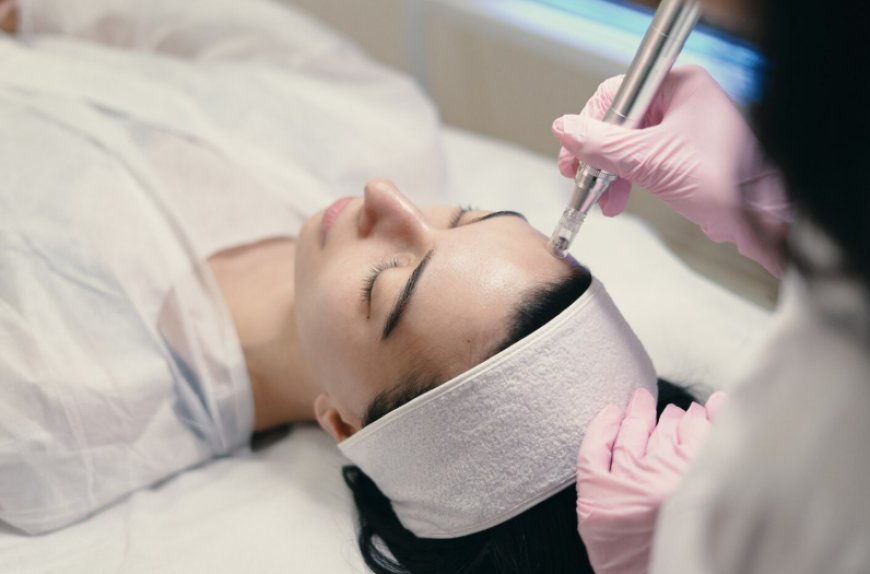
Professional treatment may be worth discussing when dullness persists despite a suitable skincare routine or when it appears alongside concerns such as uneven texture, pigmentation or visible signs of ageing.
The treatment should match the concern. For some people, the first step may be a review of skincare habits. Others may benefit from an assessment for a specific skin condition or a discussion of selected aesthetic procedures.
An aesthetic clinic Singapore residents consider should explain what is causing the concern as far as can reasonably be determined, which options may be suitable and what each option can realistically achieve.
A professional consultation should also cover potential side effects, recovery time, costs and alternatives. No procedure should be presented as essential simply because your skin looks tired or lacks radiance.
Understanding Skin Rejuvenation Options
The term skin rejuvenation covers a wide range of approaches. Different treatments target different concerns, so it is important not to assume that every procedure improves skin brightness or texture in the same way.
Treatments for Skin Quality
Some injectable treatments are discussed in relation to skin smoothness and quality. People researching juvederm skinvive singapore or profhilo singapore should understand that the products have different formulations and intended uses.
Neither treatment should automatically be considered a solution for every cause of dullness, pigmentation or dryness. A qualified practitioner can explain the product's intended use, relevant evidence, possible risks and suitability for your particular concern.
Treatments for Skin Firmness
If your skin appears dull as well as less firm, the consultation should distinguish between texture concerns and skin laxity. These are different treatment goals and may require different approaches.
Ultherapy treatment uses focused ultrasound technology for selected aesthetic indications, while radiofrequency procedures use a different energy source. People researching thermage vs ultherapy should compare the technologies according to their treatment goals, suitability and potential limitations.
Neither category should be assumed to be the right option for dull skin alone. A treatment plan should be based on an assessment rather than on a general promise of rejuvenation.
Treatments for Pigmentation and Uneven Tone
When dullness is mainly associated with dark marks or uneven pigmentation, the underlying cause should be identified first. Selected skincare ingredients or professional treatments may be considered, depending on the condition and individual suitability.
Some procedures can irritate the skin or worsen pigmentation if used inappropriately. For this reason, it is important to seek advice from a qualified professional rather than choosing a treatment solely because it is advertised for brighter skin.
How to Choose an Aesthetic Clinic in Singapore
Choosing a clinic is an important part of making an informed decision. Look for a provider that offers a proper assessment and explains the reasoning behind any recommended treatment.
Before proceeding, ask who will assess you, what the treatment is intended to improve and what risks or limitations apply. You should also receive clear information about fees, aftercare and any recommended follow-up.
Be cautious of claims promising flawless skin, instant transformation or guaranteed results. Skin responds differently from person to person, and an appropriate plan may involve gradual changes rather than a dramatic outcome.
A reputable aesthetic clinic should respect your decision-making process and allow you time to consider the available options. You should understand why a procedure is being recommended and whether a simpler approach might be sufficient.
Frequently Asked Questions
What causes dull skin?
Dull-looking skin can be associated with dryness, rough texture, uneven pigmentation, irritation and other factors. The cause varies between individuals, so the most appropriate approach depends on the specific concern.
What is the best dull skin treatment in Singapore?
There is no single best treatment for everyone. A suitable approach may involve skincare adjustments, sun protection, assessment of an underlying skin condition or selected professional treatments. The choice depends on the cause and your skin's needs.
Can moisturiser improve dull-looking skin?
A suitable moisturiser can help reduce dryness and support the skin barrier. If dullness is caused by pigmentation, persistent inflammation or another concern, moisturiser alone may not address the underlying issue.
Does exfoliation make skin brighter?
Appropriate exfoliation may improve the appearance of some rough-textured skin, but excessive exfoliation can cause irritation and damage the skin barrier. The product and frequency should be suited to your skin.
Can injectable skin treatments improve dull skin?
Some injectable treatments are intended to address specific aspects of skin quality, but they are not suitable for every cause of dullness. A qualified practitioner should explain their intended use, limitations and potential risks.
When should I see a doctor about changes in my skin?
Seek medical advice if a skin change is persistent, unexplained or accompanied by significant irritation. New or changing pigmented lesions should be assessed rather than assumed to be ordinary cosmetic discolouration.
Explore Your Skin Concerns With Astique Clinic
A fresher-looking complexion starts with understanding what your skin needs. Consistent skincare, suitable sun protection and informed treatment decisions can all contribute to a practical approach to skin health.
Visit Astique Clinic to explore its aesthetic services and discuss your concerns through a consultation. You can ask about suitable options, expected outcomes and potential risks before deciding whether a professional treatment fits your goals.
What's Your Reaction?
 Like
0
 Dislike
0
 Love
0
 Funny
0
 Angry
0
 Sad
0
 Wow
0