

























Property for Sale in Dubai, UAE: The Complete Buyer’s Guide for 2026

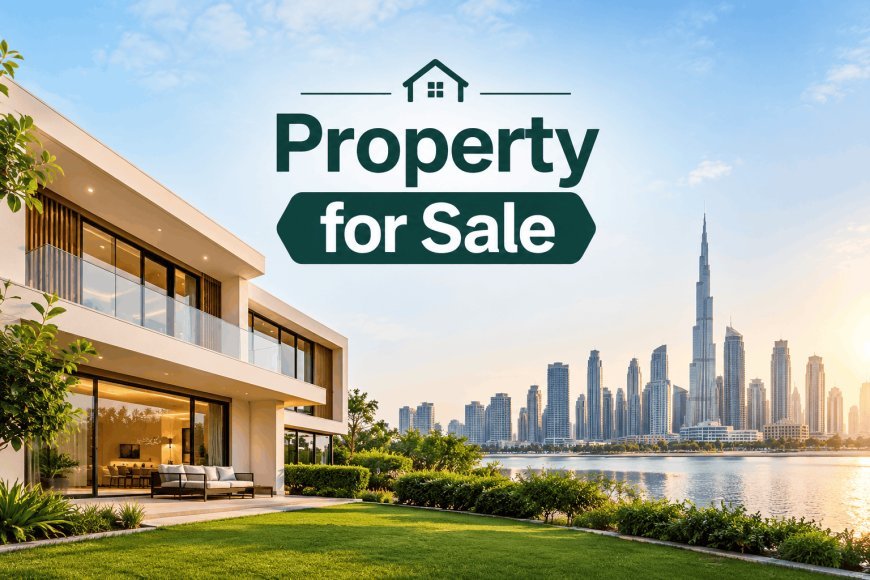
If you are searching for property for sale in Dubai UAE, you are looking at one of the most active and internationally open real estate markets in the world. Dubai offers freehold ownership to foreigners, a transparent registration system, no annual property tax, and a wide range of options from studio apartments to beachfront villas. Still, buying in a new country can feel complicated, and the right information early on can save you money and stress.
This guide walks you through how the process works, where to buy, what it really costs, and how to avoid common mistakes. It is written by the team at Takween AlDar, a UAE real estate company that helps buyers and investors make informed decisions. Where we mention rules, fees, or thresholds, we recommend confirming the latest figures with official sources such as the Dubai Land Department (DLD) and the Real Estate Regulatory Agency (RERA), because regulations and market conditions can change.
Why Buyers Look at Property for Sale in Dubai, UAE
People choose Dubai for different reasons. Understanding your own goal is the first step to choosing the right property.
-
Investment returns: Many investors are attracted by rental yields that are often higher than in major Western cities, although results vary by area and property type.
-
Lifestyle: Waterfront living, family communities, world-class schools, healthcare, and safety are major draws.
-
Residency options: Property ownership can support eligibility for certain UAE residency routes, including the Golden Visa, subject to government criteria.
-
Tax environment: Dubai does not charge an annual property tax on residential ownership, which can improve net returns. Always check your home country’s tax rules as well.
-
Foreign ownership: Non-UAE nationals can buy freehold property in designated areas.
Can Foreigners Buy Property in Dubai?
Yes. Foreign nationals, including non-residents, can purchase freehold property in designated freehold zones. Freehold means you own the unit and, in the case of a villa or townhouse, usually the land it stands on, with the right to sell, lease, or pass it on. Popular freehold areas include Dubai Marina, Downtown Dubai, Palm Jumeirah, Business Bay, Jumeirah Village Circle (JVC), Dubai Hills Estate, and Dubai Creek Harbour.
Before making an offer, always confirm that the specific community is a designated freehold area and that the property is registered with the DLD.
Types of Property You Can Buy
Apartments
Apartments are the most common entry point. They range from studios to penthouses and are popular with first-time buyers and investors who want lower entry prices and easy rental demand.
Villas and Townhouses
Families often prefer villas and townhouses in communities such as Dubai Hills Estate, Arabian Ranches, and Damac Hills. These offer more space, private gardens, and community facilities.
Off-Plan Properties
Off-plan means buying from a developer before construction is complete. Buyers are often attracted by flexible payment plans and lower initial prices. The trade-off is waiting for handover and relying on the developer to deliver on time. Check the developer’s track record and make sure the project is registered with RERA and that payments go into an escrow account.
Ready (Secondary Market) Properties
Ready properties can be viewed, inspected, and often rented or occupied soon after purchase. They are a good fit if you want immediate rental income or a quicker move-in.
Off-Plan vs Ready Property: A Quick Comparison
-
Price and payment: Off-plan often has staged payment plans; ready properties usually require a larger upfront payment or a mortgage.
-
Timeline: Off-plan requires waiting for completion; ready properties offer immediate use.
-
Risk: Off-plan carries delivery and market timing risk; ready properties let you see exactly what you are buying.
-
Flexibility: Ready properties may offer more room for price negotiation depending on the seller.
Best Areas to Buy Property in Dubai
The best area depends on your budget, goals, and lifestyle.
-
Dubai Marina: Popular with expats and tenants who enjoy waterfront living and a walkable community.
-
Downtown Dubai: Home to Burj Khalifa and Dubai Mall, with strong prestige and demand.
-
Palm Jumeirah: An iconic island location known for luxury villas and apartments.
-
Business Bay: Close to Downtown and attractive to professionals and investors.
-
Jumeirah Village Circle (JVC): Known for more affordable apartments and townhouses.
-
Dubai Hills Estate: A master-planned community with parks, schools, and a golf course, popular with families.
-
Dubai Creek Harbour: A newer waterfront district with long-term growth plans.
When comparing areas, look beyond the price per square foot. Consider service charges, access to transport, schools, planned infrastructure, and rental demand.
Step-by-Step: How to Buy Property in Dubai
-
Set your goal and budget. Decide whether you are buying to live in, rent out, or resell, and include all costs in your budget.
-
Arrange financing. If you need a mortgage, get a pre-approval from a UAE bank so you know your limit. Non-residents are generally eligible for lower loan-to-value ratios than residents.
-
Choose a licensed agency. Work with a RERA-registered agent or brokerage and check their credentials.
-
Shortlist and view properties. Visit in person where possible, or request detailed virtual tours.
-
Make an offer and sign the Memorandum of Understanding (Form F). This sets out the price, deposit, and terms between buyer and seller.
-
Pay the deposit. A deposit, commonly around 10 percent, is typically held by the agent or in an escrow arrangement.
-
Obtain the No Objection Certificate (NOC). For resale properties, the developer issues an NOC confirming there are no outstanding fees.
-
Complete the transfer. Both parties attend the DLD or a registered trustee office to pay the remaining amount and transfer the title deed.
-
Receive your title deed. Your ownership is officially registered in your name.
Costs to Expect When Buying Property in Dubai
The purchase price is only part of the total cost. Plan for these additional items:
-
DLD transfer fee: Typically 4 percent of the property value, plus a small administrative fee.
-
Agent commission: Commonly around 2 percent of the sale price, plus VAT where applicable.
-
Mortgage registration fee: Applies if you finance your purchase.
-
Trustee office fees: Charged for processing the transfer.
-
Service charges: Annual fees for maintaining shared areas, set by the community and regulated in Dubai.
-
Property valuation and bank fees: If you are taking a mortgage.
Because fees can be updated, ask your agent for a written cost breakdown before you commit.
Financing Your Purchase
UAE banks offer mortgages to residents and non-residents. Loan-to-value limits depend on your residency status, the property value, and whether it is your first property. Non-residents typically need a larger down payment than residents. Interest rates, eligibility requirements, and documentation vary between banks, so compare offers and speak with a mortgage advisor before you finalize your budget.
Golden Visa and Property Investment
Dubai offers long-term residency options for qualifying property investors. Eligibility is generally linked to the value of the property and other conditions set by the authorities, so requirements should always be confirmed with the official government channels before you buy. If residency is part of your plan, tell your agent early so they can help you shortlist properties that may qualify.
Common Mistakes to Avoid
-
Skipping due diligence: Always verify the title deed, the developer, and the project registration.
-
Ignoring service charges: High annual fees can reduce your net yield.
-
Chasing price alone: The cheapest option may have weaker demand or poor resale potential.
-
Not budgeting for extra costs: Fees, furnishing, and maintenance add up.
-
Using unlicensed agents: Verify the agent’s RERA registration and Broker Card number.
-
Relying on headlines: Market commentary can be optimistic. Look at actual transaction data from official sources.
How Takween AlDar Can Help
Choosing property for sale in Dubai UAE is easier when you have a local team that explains each step clearly. At Takween AlDar, our focus is on helping buyers understand their options, compare areas, review costs, and move through the purchase process with confidence. Whether you are a first-time buyer, a family looking for a home, or an investor building a portfolio, we can help you match your goals with suitable properties and explain what to expect at each stage.
Frequently Asked Questions
Q: Can non-residents buy property in Dubai?
A: Yes. Non-residents and foreign nationals can buy freehold property in designated areas. You do not need to be a UAE resident to own property, although residency may be available to qualifying investors.
Q: How much money do I need to buy property for sale in Dubai UAE?
A: It depends on the property and payment method. Besides the purchase price, budget for the DLD transfer fee, agent commission, and other charges. If you use a mortgage, you will also need a down payment, which is typically higher for non-residents.
Q: Is off-plan property safe to buy in Dubai?
A: Off-plan purchases are regulated, and developer payments are required to be held in escrow accounts for registered projects. Even so, you should check the developer’s reputation, the project’s registration, and the contract terms before paying.
Q: Do I pay annual property tax in Dubai?
A: Dubai does not currently charge an annual property tax on residential property ownership. However, you will pay annual service charges, and you should check the tax rules in your home country.
Q: How long does it take to buy a property in Dubai?
A: For a ready property, the process can often be completed within a few weeks once an offer is accepted and financing is arranged. Mortgage purchases may take longer. Off-plan purchases involve a waiting period until the project is completed and handed over.
Q: Can I get residency by buying property in Dubai?
A: Certain property investments may make you eligible for a long-term residency visa, depending on the property value and government criteria. Confirm the latest requirements with official sources before purchasing.
Q: Is Dubai a good place to invest in real estate?
A: Many investors consider Dubai attractive because of rental demand, an international buyer base, and a tax-friendly environment. Like any market, it carries risks, and returns are not guaranteed. Research the area, compare yields, and seek professional advice.
Conclusion
Buying property in Dubai can be a rewarding decision when you approach it with clear goals, realistic budgets, and reliable guidance. Start by defining why you are buying, shortlist areas that match your needs, understand the full cost of ownership, and verify every detail with official sources. If you are exploring property for sale in Dubai UAE and want support from a team that puts clarity first, contact Takween AlDar to discuss your plans and explore suitable options.
What's Your Reaction?
 Like
0
 Dislike
0
 Love
0
 Funny
0
 Angry
0
 Sad
0
 Wow
0