

















The Benefits of Reaction Training for Athletes and Fitness Enthusiasts
Reaction training is an important part of improving athletic performance, coordination, and overall fitness. Whether you play competitive sports, enjoy working out at the gym, or simply want to become more active, reaction training can help you respond more quickly to different movements and situations. By combining physical activity with visual or auditory cues, these exercises challenge both the body and the brain.
Modern training tools, including light-based reaction systems, have made reaction training more engaging and accessible. In this guide, we will explore the benefits of reaction training, popular exercises, and practical ways athletes and fitness enthusiasts can incorporate it into their routines.
What Is Reaction Training?
Reaction training involves exercises designed to improve how quickly and accurately a person responds to a stimulus. This stimulus might be a flashing light, a sound, a moving object, or another person's movement.
Unlike traditional workouts that focus primarily on strength or endurance, reaction training emphasizes awareness, decision-making, coordination, and movement speed.
For example, a basketball player might respond to a coach's signal by changing direction, while a tennis player practices moving toward a target as soon as a visual cue appears. These activities help athletes practice responding to changing situations rather than relying only on predetermined movements.
1. Improves Reaction Time
One of the main benefits of reaction training is the opportunity to practice responding to stimuli more efficiently. Athletes frequently need to make quick decisions during competition, whether they are defending against an opponent, catching a ball, or changing direction.
Reaction drills can help participants practice recognizing signals and initiating movements with greater consistency.
Light-based training equipment can make these exercises more interactive by providing visual targets that users must identify and touch as quickly as possible.
Regular practice, appropriate difficulty levels, and sufficient recovery can help athletes develop skills relevant to their sport.
2. Enhances Speed and Agility
Speed and agility are essential in sports such as football, basketball, tennis, and volleyball. Athletes often need to accelerate, stop, turn, and move in different directions within seconds.
Reaction training combines decision-making with movement, making it useful for practicing agility under changing conditions.
Examples include:
-
Sprinting toward a randomly selected target.
-
Moving sideways in response to a visual signal.
-
Changing direction when a training partner gives a cue.
-
Performing short acceleration drills with unpredictable commands.
These exercises can complement traditional sprinting and agility workouts. However, reaction training should not replace proper strength training, sprint mechanics, or sport-specific practice.
3. Develops Hand-Eye and Foot-Eye Coordination
Coordination allows athletes to connect what they see with the movements they perform. Good coordination is valuable when catching a ball, controlling equipment, striking a target, or navigating around opponents.
Reaction exercises can challenge this connection by requiring users to identify a signal and perform an accurate movement.
For example, a fitness enthusiast might touch illuminated targets with alternating hands, while a football player might move toward designated targets using quick footwork.
As the exercises become more challenging, participants can introduce different movement patterns or combine upper- and lower-body actions.
4. Supports Better Decision-Making
Athletic performance is not only about moving quickly. It also involves choosing the correct response at the right moment.
Reaction training can introduce uncertainty into a workout, requiring athletes to recognize different cues and select an appropriate movement.
A basketball player, for instance, might react to a coach's direction by moving left or right. A goalkeeper could practice responding to unpredictable shots during supervised drills.
These exercises encourage athletes to connect visual information with movement decisions. The goal is to improve both response accuracy and movement efficiency, rather than simply rushing through each drill.
5. Makes Workouts More Engaging
Repeating the same workout routine can become boring over time. Reaction-based exercises add variety by introducing targets, changing signals, and performance challenges.
Some training systems use lights, applications, and scoring features to make workouts interactive. Participants can compete against their previous scores, complete timed challenges, or train with friends.
This game-like approach can make sessions more enjoyable and encourage consistent participation.
For beginners, simple reaction drills can provide an accessible starting point. Experienced athletes can increase the difficulty by adding movement, reducing response time, or combining multiple tasks.
6. Benefits Different Types of Athletes
Reaction training can be adapted to many sports and fitness goals.
Football Players
Football players can use reaction drills to practice changing direction, responding to visual cues, and coordinating footwork during short bursts of movement.
Basketball Players
Basketball training can incorporate reaction exercises that simulate defensive movements, rapid changes of direction, and responses to a teammate's signals.
Tennis Players
Tennis players can practice moving toward different targets and responding to changing visual cues to complement their court movement and footwork training.
Fitness Enthusiasts
People who exercise for general fitness can use reaction drills as part of warm-ups, circuit training, or conditioning sessions. The intensity should match their fitness level and physical abilities.
Coaches and Personal Trainers
Coaches can incorporate reaction exercises into group sessions to encourage participation, introduce variety, and observe how athletes respond to different challenges.
7. How BlazePod Fits Into Reaction Training
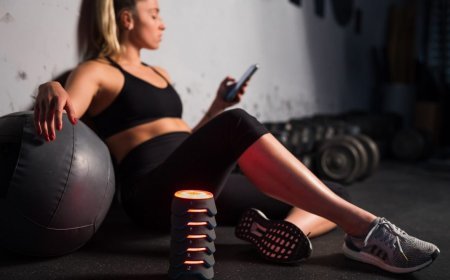
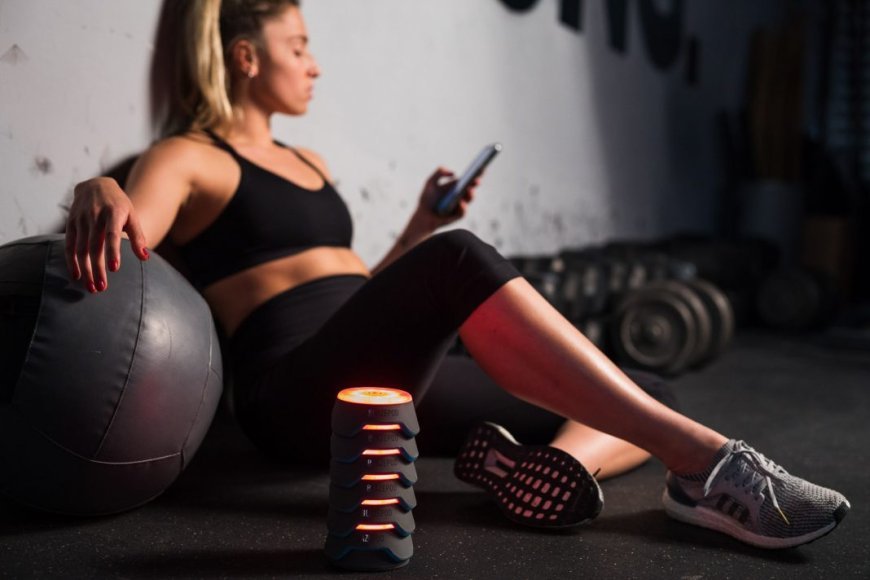
Technology has introduced new ways to make reaction training interactive. BlazePod is known for its light-based training system, which uses illuminated targets to create exercises focused on reaction speed, coordination, movement, and agility.
Depending on the equipment and training setup, users can arrange the pods in different patterns and respond to lights by touching or moving toward the illuminated targets.
For athletes, this type of setup can provide a structured way to practice visual responses while moving. Fitness enthusiasts may also find it useful for adding variety to individual workouts or group training sessions.
If you are considering this type of equipment, reading a Blazepod Review can help you research its features, potential uses, and suitability for your training goals. Before purchasing, consider the available functions, setup requirements, durability, and whether the exercises match your sport or fitness routine.
It is also worth remembering that training technology is a tool, not a replacement for coaching, sport-specific practice, or a well-rounded fitness program.
8. Simple Reaction Training Exercises to Try
You do not need to begin with complicated drills. Start with simple movements and increase the challenge as your coordination improves.
Exercise 1: Visual Target Touches
Place several visible targets within comfortable reaching distance. Have a training partner randomly call out a target, or use a suitable light-based training system.
Touch the indicated target as quickly and accurately as possible.
Training focus: Reaction speed and hand-eye coordination.
Exercise 2: Lateral Movement Drill
Stand in an athletic position with your knees slightly bent. Respond to a visual or verbal cue by moving a few steps to the left or right.
Return to your starting position and wait for the next signal.
Training focus: Agility, balance, and directional movement.
Exercise 3: Quick-Step Drill
Place markers on the floor with enough space to move safely between them. Respond to a signal by stepping toward the indicated marker.
Keep your movements controlled and maintain good posture throughout the exercise.
Training focus: Footwork and lower-body coordination.
Exercise 4: Partner Reaction Drill
Ask a training partner to provide unpredictable but clear movement cues. Follow their direction using short steps, controlled turns, or other movements appropriate to your fitness level.
Begin slowly before increasing the pace.
Training focus: Visual awareness, decision-making, and movement control.
Exercise 5: Reaction Circuit
Combine short reaction drills with exercises such as bodyweight squats, step-ups, or light jogging. Perform each activity for a brief interval, then rest before beginning the next round.
Training focus: Combining reaction exercises with general conditioning.
Stop if you experience pain, dizziness, or unusual discomfort, and adjust the exercises to your abilities.
9. Tips for Getting Better Results
To make reaction training more effective, follow a structured approach.
Start with simple drills: Learn the movements before adding speed or complexity.
Prioritize accuracy: Correct responses are more useful than uncontrolled movements performed at maximum speed.
Train consistently: Include short sessions in your weekly routine rather than relying on occasional intense workouts.
Increase difficulty gradually: Add more targets, movement patterns, or decision-making challenges as your skills improve.
Allow recovery: Reaction-based exercises can be demanding, especially when combined with sprinting and agility work.
Track your progress: Record response times, successful attempts, or drill completion times when reliable measurement is available.
Match training to your sport: Choose exercises that complement the movements and decisions you encounter during competition.
Conclusion
Reaction training offers athletes and fitness enthusiasts a practical way to work on reaction speed, coordination, agility, and decision-making. By responding to visual or auditory cues, participants can challenge themselves physically and mentally while adding variety to their workouts.
From simple partner drills to interactive light-based systems, there are many ways to incorporate reaction exercises into a balanced fitness routine. The most effective approach is to start at an appropriate level, focus on accurate movement, and progress gradually.
With consistent practice and sport-specific training, reaction exercises can become a valuable addition to your fitness program, helping you prepare for the fast-changing demands of sports and everyday physical activities.
What's Your Reaction?
 Like
0
 Dislike
0
 Love
0
 Funny
0
 Angry
0
 Sad
0
 Wow
0