



















Elevator Dental Instrument: Types, Uses, and Why Quality Matters
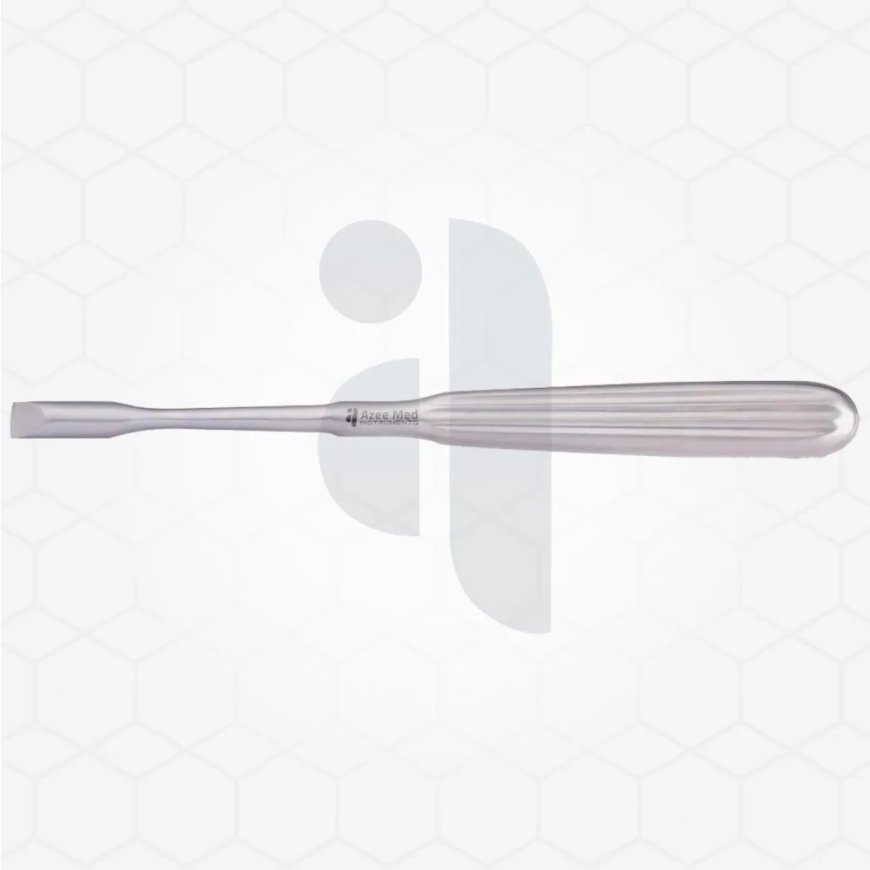
Every smooth tooth extraction starts long before the forceps come out. This groundwork reduces the force needed during removal, which lowers the risk of root fractures and protects nearby tissue. For dentists and oral surgeons, it is one of the most relied-upon tools in the operatory.The elevator dental instrument loosens a tooth from its socket by gently separating the periodontal ligament and expanding the surrounding bone.
How the Instrument Works
An elevator has three main parts: the handle, the shank, and the blade. The clinician places the blade between the tooth and the bone, then applies controlled pressure using wedge, lever, or wheel-and-axle principles. A well-made elevator dental instrument turns small, careful movements into effective force. This gives you precise control, even in the tight spaces at the back of the mouth.
Common Types and Their Uses
Dental teams rely on several designs, each suited to a different clinical situation. Straight elevators, like the Bein and Coupland, are often the first choice for loosening teeth in accessible areas. Triangular elevators, such as the Cryer, help remove a broken root that remains in the socket of a multi-rooted tooth. Angled and apical elevators reach posterior regions and retrieve small root tips. Choosing the correct elevator dental instrument for each case saves chair time and makes the procedure more comfortable for the patient.
Why Quality Makes a Difference
Not every instrument performs the same way under pressure. A poorly made blade can bend, chip, or lose its edge, and it may slip and injure soft tissue. A premium elevator dental instrument is crafted from surgical-grade stainless steel, holds a fine working tip, and resists corrosion through repeated sterilization cycles. An ergonomic handle also reduces hand fatigue, which matters when you perform several extractions in a single day.
Caring for Your Instruments
Proper maintenance extends the life of any surgical tool. After each use, clean the elevator dental instrument promptly so debris does not dry on the blade. Then inspect the tip for damage before autoclaving. Storing elevators in a protective cassette keeps the edges sharp and ready for the next procedure. These simple habits protect both your investment and your patients.
AzeeMed: Precision You Can Trust
AzeeMed focuses on making surgical instruments of the highest quality for the medical community around the globe. With over two decades of experience, we furnish an array of instruments for various surgical specialties, including plastic, dental, ophthalmic, neuro and spine, and orthopedic surgeries. Every kielland's forceps diagram we produce goes through strict quality checks for balance, sharpness, and durability. Our goal is simple: give clinicians tools that feel natural in the hand and perform reliably in every procedure.
Conclusion
The elevator dental instrument may look simple, but it plays a vital role in safe, efficient extractions. From loosening a healthy tooth to retrieving a fractured root, the right design and build quality directly affect clinical outcomes. When you invest in a dependable elevator dental instrument, you gain better control, fewer complications, and more comfortable patients. Explore AzeeMed's dental range today and equip your practice with instruments built to last.
What's Your Reaction?
 Like
0
 Dislike
0
 Love
0
 Funny
0
 Angry
0
 Sad
0
 Wow
0