





















Little Words, Big Milestones: Understanding Speech and Language Development in Toddlers
Understanding typical communication milestones can help families recognise when to seek professional guidance. Observing how a child communicates, responds to others and uses gestures can provide useful information about their development.

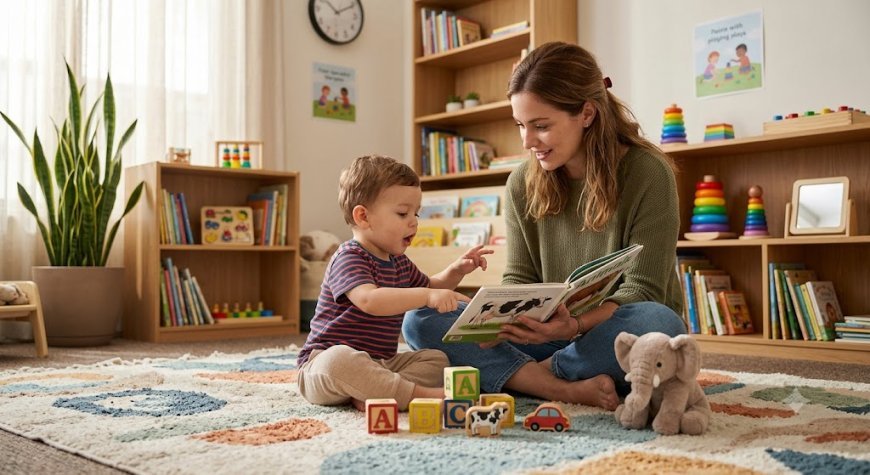
A toddler's first words are exciting milestones for families. From calling a familiar person by name to pointing at a favourite toy, young children gradually learn how to express their needs, share experiences and connect with the people around them. However, children develop communication skills at different rates, and parents may sometimes wonder whether their child's speech and language development needs additional attention.
Understanding typical communication milestones can help families recognise when to seek professional guidance. Observing how a child communicates, responds to others and uses gestures can provide useful information about their development.
How Communication Develops During the Toddler Years
By around two years of age, many children begin combining words, naming familiar objects and following simple instructions. They may use gestures, facial expressions and sounds alongside spoken words to communicate their needs.
These milestones are general developmental guides rather than strict deadlines. Some children begin speaking earlier, while others take longer to develop particular skills. A child's ability to understand language, interact with others and communicate through gestures can also provide important context.
Parents may wish to seek guidance if their child has difficulty communicating needs, uses fewer words than expected for their age, struggles to understand familiar instructions or seems to have difficulty making themselves understood. A professional assessment can help clarify whether additional support may be appropriate.
When Should Parents Consider Speech Therapy?
Speech and language development involves several connected skills, including understanding words, using sounds, forming words and communicating with others. Difficulties can affect one or more of these areas.
Parents researching speech therapy for 2 year old UAE may be looking for information about early communication support. Speech therapy can help assess a child's communication abilities and identify areas that may benefit from targeted support.
An assessment may consider the child's existing vocabulary, understanding of language, use of gestures, interaction and speech development. The speech therapist may also ask parents about the child's communication at home and in familiar everyday situations.
This information helps the professional understand the child's individual needs and determine what support may be suitable. Seeking an assessment does not automatically mean that a child has a developmental condition; it is a way to understand their current abilities and consider appropriate next steps.
Simple Ways to Encourage Communication at Home
Everyday activities offer many opportunities for toddlers to practise communication. Parents can support language development through regular interaction without turning daily routines into formal lessons.
Talk during everyday activities. Describe what you are doing while preparing meals, getting dressed or tidying toys. Simple, clear sentences expose children to words in meaningful contexts.
Read picture books together. Name familiar objects, point to pictures and give your child time to respond. Repeating favourite books can create opportunities to hear and practise familiar words.
Follow your child's interests. If your toddler points towards a toy or animal, name it and add a few simple words. Following their attention can make communication more engaging.
Allow time for responses. Children may need extra time to process language and express themselves. Pause during conversations rather than immediately answering for them.
Encourage gestures and sounds. Pointing, waving and other gestures are useful ways for young children to communicate while their spoken language develops.
These activities can encourage interaction, but they should not replace professional advice when developmental concerns persist.
What to Expect From Professional Speech Therapy
Speech therapy is tailored to the individual's communication needs. For young children, sessions may include activities designed to encourage language understanding, word use, sounds and interaction, depending on the assessment findings.
Parents may receive guidance on supporting communication during everyday routines. Progress varies between children, and the appropriate approach depends on their age, abilities and individual circumstances.
When choosing a service, families can ask about the assessment process, the professional's qualifications and how parents may be involved in supporting communication development.
Supporting Your Child's Communication Journey
Al Soor Specialist Clinic has been established since 2011 and is located on Mina Road in Al Soor. Its multidisciplinary mental health and developmental services include speech therapy, occupational therapy, child guidance, clinical psychology, psychiatry, psychotherapy, CBT, marital therapy, psychiatric social work and assessment for neurodevelopmental disorders.
Families exploring speech therapy UAE can review the clinic's speech therapy service to learn more about the support available.
Every child develops at an individual pace. Paying attention to communication milestones, encouraging everyday interaction and seeking professional guidance when needed can help parents make informed decisions about their child's development.
What's Your Reaction?
 Like
0
 Dislike
0
 Love
0
 Funny
0
 Angry
0
 Sad
0
 Wow
0