










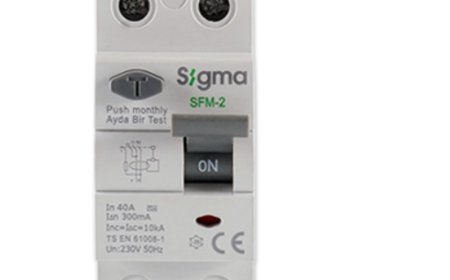














Residual Current Circuit Breaker and Mini Circuit Breaker: A Complete Guide
Electrical safety is important in every home, office, shop, and industrial building. Electrical faults can damage appliances, affect wiring, and create serious risks for people
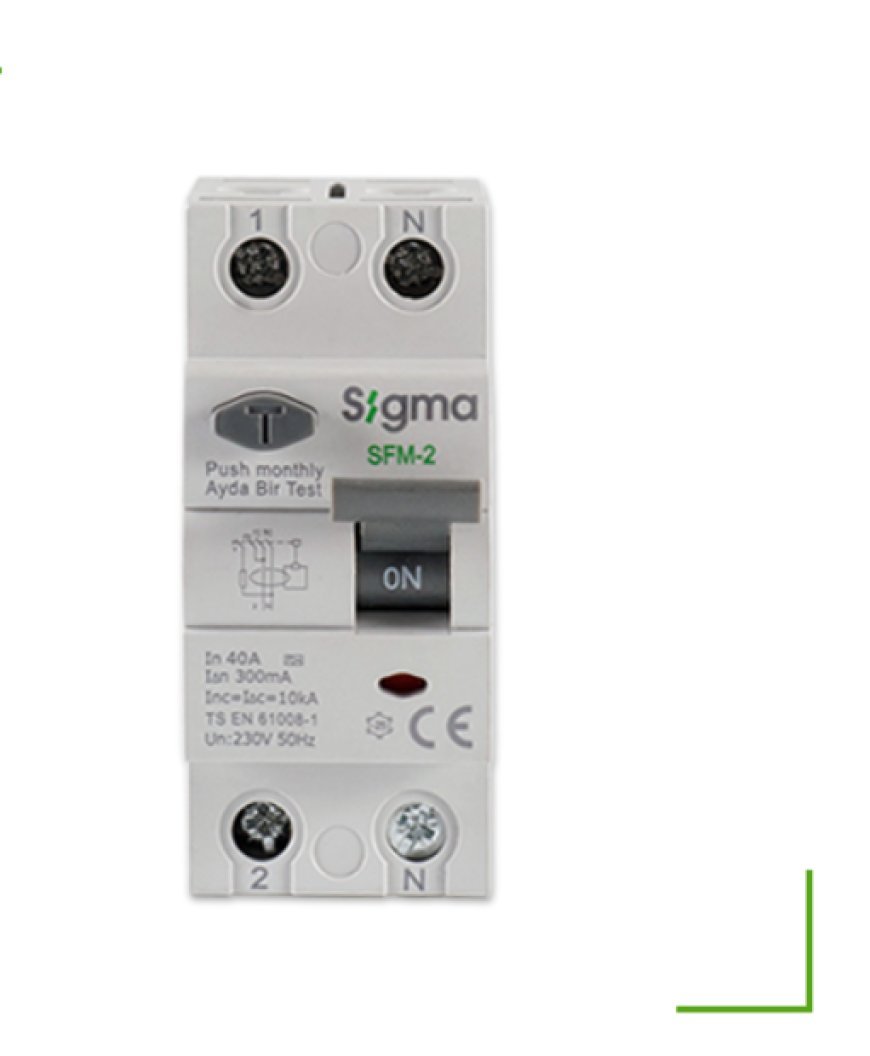
Residual Current Circuit Breaker and Mini Circuit Breaker
Electrical safety is important in every home, office, shop, and industrial building. Electrical faults can damage appliances, affect wiring, and create serious risks for people. Choosing the right circuit protection devices helps reduce these risks and supports a safer electrical installation.
Two commonly used devices are the residual current circuit breaker and the miniature circuit breaker. Although both are installed in electrical distribution boards, they perform different functions. Understanding their differences can help homeowners, electricians, contractors, and business owners make informed decisions when planning an electrical system.
What Is a Residual Current Circuit Breaker?
A residual current circuit breaker (RCCB) is an electrical safety device that detects an imbalance between the current flowing through the live conductor and the current returning through the neutral conductor. This imbalance can indicate that electrical current is leaking to earth.
When the detected leakage reaches the device's specified operating threshold, the RCCB disconnects the supply to help reduce the risk of electric shock.
RCCBs are commonly used in residential, commercial, and other electrical installations where additional protection against earth leakage is required.
How Does an RCCB Work?
An RCCB continuously monitors the balance of electrical current in a circuit. Under normal operating conditions, the current flowing out and returning should remain balanced.
If a fault causes current to escape through an unintended path, the device detects the imbalance and trips.
Important features include:
-
Earth-leakage detection: Identifies current imbalance that may indicate an electrical fault.
-
Automatic disconnection: Interrupts the supply when the specified trip conditions are met.
-
Test button: Many models include a test button to check the operating mechanism according to the manufacturer's instructions.
-
Different ratings: Available models have different current ratings, pole configurations, and residual-current sensitivities.
An RCCB does not normally provide overload or short-circuit protection on its own. It must be coordinated with suitable overcurrent protection, such as an MCB, unless a combined protective device is used.
What Is a Mini Circuit Breaker?
A mini circuit breaker, commonly called a miniature circuit breaker (MCB), is an automatic electrical protection device designed to protect circuits against overloads and short circuits.
An overload occurs when a circuit carries more current than it is designed to handle. A short circuit occurs when an unintended low-resistance path allows a very high current to flow.
An MCB detects these conditions and automatically disconnects the affected circuit. This helps protect wiring and reduce the risk of damage caused by excessive current.
How Does an MCB Work?
An MCB generally uses thermal and magnetic tripping mechanisms.
-
Thermal protection: Responds to sustained overcurrent conditions, such as an overload.
-
Magnetic protection: Responds rapidly to high fault currents, such as those produced by a short circuit.
-
Resettable operation: After the fault has been identified and corrected, the breaker can generally be reset according to the manufacturer's instructions.
MCBs are widely used in homes, offices, shops, and other buildings. They can protect lighting circuits, socket circuits, and other electrical loads when correctly selected for the wiring and application.
Difference Between RCCB and MCB
The main difference is the type of electrical fault each device detects. An RCCB responds to residual current or earth leakage, while an MCB responds to overloads and short circuits.
| Feature | Residual Current Circuit Breaker | Miniature Circuit Breaker |
|---|---|---|
| Main purpose | Earth-leakage protection | Overload and short-circuit protection |
| Fault detected | Residual-current imbalance | Excessive current |
| Typical protection benefit | Helps reduce electric-shock risk | Helps protect wiring and circuits |
| Common applications | Residential and commercial installations | Lighting, sockets, and other circuits |
| Overcurrent protection | Not provided by a standard RCCB | Provided within its rated capability |
| Installation | Selected according to the protection design | Selected according to circuit requirements |
Both devices serve important purposes. One should not be treated as a direct replacement for the other because they address different electrical hazards.
Why Are Both Devices Important?
A safe electrical installation may require several protective devices working together. An MCB helps protect the wiring from excessive current, while an RCCB provides additional protection by detecting residual current.
For example, a faulty appliance might cause an earth-leakage condition without drawing enough current to trip an ordinary MCB. An appropriately selected RCCB can detect this different type of fault.
Similarly, an overload may occur without producing the current imbalance required to trip a standard RCCB. An MCB provides the necessary overcurrent protection.
The correct combination depends on the installation design, local electrical requirements, earthing arrangement, and equipment specifications.
A qualified electrician can determine which protective devices are needed and how they should be coordinated.
How to Choose the Right Circuit Breaker
Selecting electrical protection equipment requires more than choosing a product based on its appearance or price. The device must match the requirements of the circuit.
1. Identify the Required Protection
Determine whether the circuit needs protection against overloads, short circuits, earth leakage, or a combination of these hazards.
An MCB provides overcurrent protection. An RCCB provides residual-current protection. An RCBO combines both functions in one device.
2. Check the Current Rating
The current rating must be suitable for the expected load and the current-carrying capacity of the wiring.
A breaker with an unsuitable rating may fail to provide the intended protection. A qualified electrician should select the rating based on the circuit design and applicable standards.
3. Consider Breaking Capacity
The breaking capacity indicates the maximum prospective fault current the device is designed to interrupt under specified conditions.
The selected device must have an adequate breaking capacity for the installation.
4. Check Residual-Current Sensitivity
When selecting an RCCB, consider the required residual-current sensitivity and device type. Different applications may require different characteristics.
The appropriate choice should be based on the intended protection, connected equipment, and applicable electrical standards.
5. Choose Reliable Products
Purchase circuit protection equipment from a reputable supplier. Check the product's specifications, applicable standards, manufacturer information, and compatibility with the distribution board.
Avoid selecting electrical protection devices solely because they are inexpensive.
Common Applications of RCCBs and MCBs
Both devices can be used in different residential and commercial electrical systems.
Residential Buildings
Homes contain lighting, kitchen appliances, air conditioners, water heaters, and socket circuits. Suitable MCBs can protect individual circuits against overcurrent, while RCCBs can provide additional earth-leakage protection.
Commercial Buildings
Offices, shops, and other commercial properties use electrical equipment throughout the day. Properly designed circuit protection helps protect wiring and equipment while supporting electrical safety.
Industrial Facilities
Industrial installations may contain motors, machinery, control equipment, and higher electrical loads. Protective devices must be selected according to fault levels, equipment characteristics, and the overall electrical design.
Kitchens and Areas Near Water
Areas where electrical equipment may come into contact with moisture require particular attention to electric-shock protection. Appropriate residual-current protection, suitable equipment, and correct installation practices are important.
Common Mistakes to Avoid
Incorrect selection or installation of circuit breakers can compromise electrical safety. Avoid these common mistakes:
-
Using an RCCB as the only protection against overloads and short circuits.
-
Assuming an MCB alone provides residual-current protection.
-
Selecting a breaker without checking the wiring and connected load.
-
Ignoring the required breaking capacity.
-
Purchasing unverified or unsuitable electrical products.
-
Resetting a breaker repeatedly without investigating why it trips.
-
Installing or modifying electrical equipment without appropriate qualifications.
If a protective device trips repeatedly, have a qualified electrician investigate the cause rather than bypassing the protection.
Frequently Asked Questions
What is the main purpose of a residual current circuit breaker?
An RCCB detects residual-current imbalance and disconnects the supply when its specified trip conditions are met. It helps reduce the risk of electric shock caused by earth leakage.
What does a mini circuit breaker protect against?
A miniature circuit breaker protects an electrical circuit against overloads and short circuits within its specified operating limits.
Can an RCCB replace an MCB?
No. A standard RCCB does not provide overload and short-circuit protection. These functions must be provided by suitable additional protection or by an appropriate combined device.
Can an MCB protect against electric shock caused by earth leakage?
An ordinary MCB is not designed to detect small residual-current imbalances. Additional residual-current protection may therefore be necessary, depending on the installation requirements.
What is the difference between an RCCB and an RCBO?
An RCCB provides residual-current protection, while an RCBO combines residual-current protection with overload and short-circuit protection.
Who should install circuit breakers?
A qualified electrician should select, install, test, and maintain circuit protection devices according to the manufacturer's instructions and applicable electrical standards.
Conclusion
Understanding the purpose of each circuit breaker is an important part of electrical safety. A residual current circuit breaker detects earth leakage and helps reduce electric-shock risks, while a miniature circuit breaker protects electrical circuits against overloads and short circuits.
Both devices can play complementary roles in a properly designed electrical installation. The correct selection depends on the circuit requirements, wiring, expected load, fault conditions, and applicable standards.
When purchasing electrical protection equipment, compare technical specifications, verify product quality, and consult a qualified electrician before installation. Choosing suitable circuit breakers helps support a safer and more reliable electrical system for homes, offices, shops, and industrial facilities.
What's Your Reaction?
 Like
0
 Dislike
0
 Love
0
 Funny
0
 Angry
0
 Sad
0
 Wow
0