























Do You Need an Appointment? Walk-in Dental Clinics in Singapore Explained
Learn how walk-in dental clinics work in Singapore, when you can visit without an appointment, and when scheduling ahead is the better option.
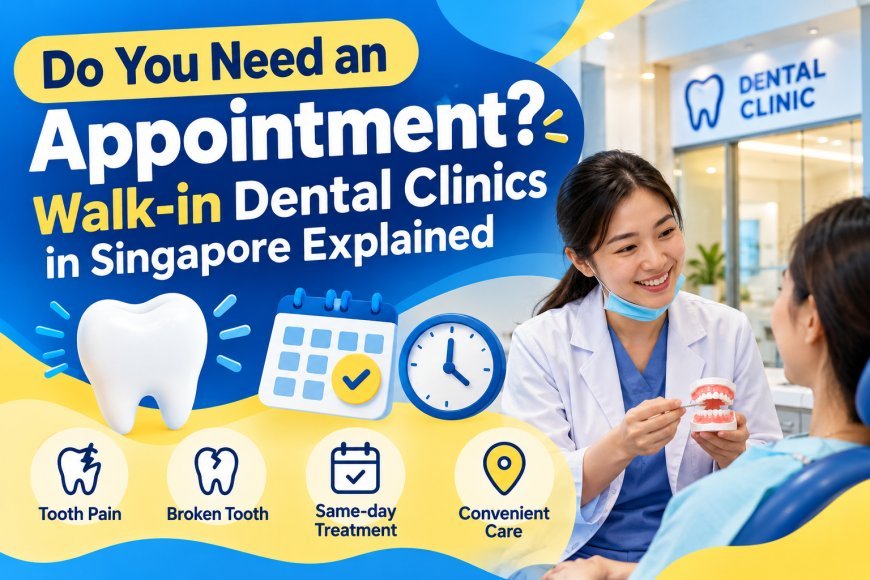
Dental problems rarely happen when it's convenient. You may wake up with a severe toothache before work, chip a tooth during dinner, or notice that a filling has fallen out over the weekend. In these situations, waiting several days for the next available appointment may not seem like the best option.
Many people look for a walk-in dental clinic in Singapore when they need quick dental care. These clinics allow patients to visit without booking an appointment in advance. However, waiting times and services may vary between clinics.
-
Whether you have a toothache or need urgent dental care, this guide explains what to expect and when it may be better to book an appointment.
Quick Answer
Many dental clinics in Singapore accept walk-in patients, especially for urgent dental concerns such as tooth pain, broken teeth, or lost fillings. While you may not always need an appointment, treatment depends on the clinic's schedule and the urgency of your condition. For routine dental care and planned procedures, booking ahead is generally recommended.
What Is a Walk-in Dental Clinic?
A walk-in dental clinic allows patients to visit without making an appointment beforehand. Instead of waiting for an available booking several days later, patients can receive an assessment on the same day if the clinic has availability.
Walk-in services are particularly useful for unexpected dental problems that require professional attention but may not necessarily involve a life-threatening emergency. The dentist will first assess your condition, explain the cause of the problem, and recommend the most appropriate treatment.
Many clinics that provide General dentistry services include walk-in consultations as part of their daily schedule, although availability varies depending on patient demand.
Why Do People Choose Walk-in Dental Care?
Unexpected dental problems often interfere with work, school, or daily activities. A persistent toothache or damaged tooth can become increasingly uncomfortable if treatment is delayed.
Walk-in services provide flexibility by allowing patients to seek professional care as soon as symptoms develop rather than waiting until the next available appointment. Early assessment also helps reduce the risk of minor dental problems becoming more complicated.
For many people, the ability to receive prompt advice offers reassurance during stressful situations.
Common Situations That May Require a Walk-in Visit
Although every patient's situation is different, walk-in dental services are commonly used for:
-
Sudden or severe tooth pain
-
Chipped, cracked, or broken teeth
-
Lost fillings or crowns
-
Swollen gums or facial swelling
-
Dental infections or abscesses
-
Bleeding following dental trauma
-
Broken dentures or temporary restorations
Seeking professional care promptly allows the dentist to determine whether immediate treatment is required or whether a follow-up appointment would be more appropriate.
When Is It Better to Book an Appointment?
Walk-in visits are designed for convenience, but they are not always the best option.
Routine dental care usually benefits from scheduled appointments because the dental team can allocate enough time for comprehensive examinations, treatment planning, and patient discussions. Planned visits also reduce waiting time and allow more flexibility when multiple procedures are required.
Appointments are generally recommended for preventive care, cosmetic dentistry, orthodontic consultations, dental implants, dentures, and other treatments that require additional preparation.
If your visit is for a Routine dental check-up, booking in advance usually provides a smoother experience for both you and the dental team.
What Can You Expect During a Walk-in Visit?
Your visit usually begins with a discussion about your symptoms, medical history, and any medications you may be taking. The dentist will then perform an examination to identify the source of the problem.
Depending on the diagnosis, treatment may be completed during the same visit or scheduled for another day if additional time or specialised procedures are required.
The primary objective of a walk-in consultation is to relieve discomfort, diagnose the problem accurately, and prevent the condition from becoming more serious.
Choosing the Right Dental Clinic
Not every clinic offers the same range of services or patient experience. Choosing the right dental provider involves more than finding the closest location.
When searching for a Professional dental clinic inSingapore, consider the qualifications of the dental team, the clinic's approach to patient care, and whether they clearly explain treatment options before beginning any procedure.
Patients living in the northern region may also prefer visiting an Experienced dentist for convenience if ongoing treatment or follow-up appointments become necessary.
Regardless of the clinic you choose, clear communication and evidence-based care are important factors in achieving positive long-term outcomes.
Tips Before Visiting a Walk-in Clinic
To help your visit go as smoothly as possible:
-
Bring identification and any relevant medical information.
-
Inform the dentist about allergies or existing medical conditions.
-
Carry a list of current medications if applicable.
-
Explain when your symptoms first appeared.
-
Call ahead if you would like to check waiting times or clinic availability.
Being prepared helps the dental team assess your condition more efficiently and recommend appropriate treatment.
Why Early Dental Care Matters
Many dental conditions begin with mild symptoms that gradually become more serious over time. A small cavity may develop into a painful infection, while a damaged filling can eventually expose the inner structure of the tooth.
Seeking professional advice early often allows treatment to be simpler, less invasive, and more effective. Regular examinations also play an important role in preventing unexpected dental problems before they occur.
Maintaining good Oral health is not only about treating pain but also about preventing future complications through consistent dental care.
Expert Insight
Many patients wait until discomfort becomes severe before seeking treatment. In reality, early assessment is one of the most effective ways to protect long-term dental health. Whether you visit a walk-in clinic or attend scheduled appointments, receiving professional advice at the first sign of a problem often leads to better treatment outcomes and fewer complications.
Frequently Asked Questions
Can I visit a dentist without making an appointment?
Yes. Many clinics in Singapore accept walk-in patients, although treatment depends on the dentist's availability and the urgency of your condition.
Are walk-in dental clinics only for emergencies?
No. Walk-in services are commonly used for both urgent dental concerns and unexpected problems that require prompt professional assessment.
Will I receive treatment on the same day?
Many patients receive treatment during their first visit. However, complex procedures may require an additional appointment.
Is it better to call the clinic before visiting?
Calling ahead is often helpful because staff can provide information about waiting times and whether walk-in consultations are available.
Can children visit a walk-in dental clinic?
Yes. Many clinics provide dental care for children, although some treatments may still require a scheduled appointment.
How often should I have a dental examination?
Most people benefit from regular dental examinations every six months, although your dentist may recommend a different schedule depending on your individual needs.
Conclusion
Walk-in dental clinics provide a convenient solution for people who need prompt attention for unexpected dental problems. Whether you're experiencing sudden tooth pain, a damaged tooth, or another urgent concern, walk-in services allow you to receive professional assessment without always needing a prior appointment.
At the same time, scheduled appointments remain the preferred option for preventive care, comprehensive examinations, and planned dental treatments. Understanding the difference between walk-in care and scheduled visits helps you make informed decisions while supporting your long-term oral health. Seeking professional advice early, maintaining regular dental check-ups, and practising good oral hygiene remain the best ways to protect your smile for years to come.
What's Your Reaction?
 Like
0
 Dislike
0
 Love
0
 Funny
0
 Angry
0
 Sad
0
 Wow
0