
























Black Seed Oil: Where Centuries of Tradition Meet Cautious Modern Science

Few natural products carry as much reverence as black seed oil. Pressed from the tiny seeds of Nigella sativa, it has been part of healing traditions across the Middle East, South Asia, and North Africa for well over a thousand years. Known also as kalonji oil or black cumin oil, it now appears in capsules, hair treatments, and skincare bottles worldwide. The question worth asking is not whether black seed oil is popular, but how much of its reputation the evidence actually supports.
What Black Seed Oil Is
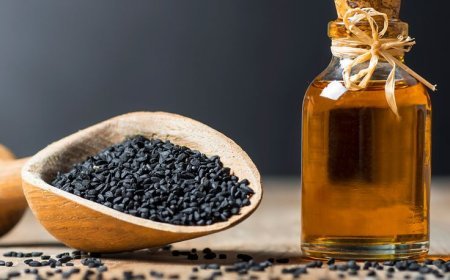
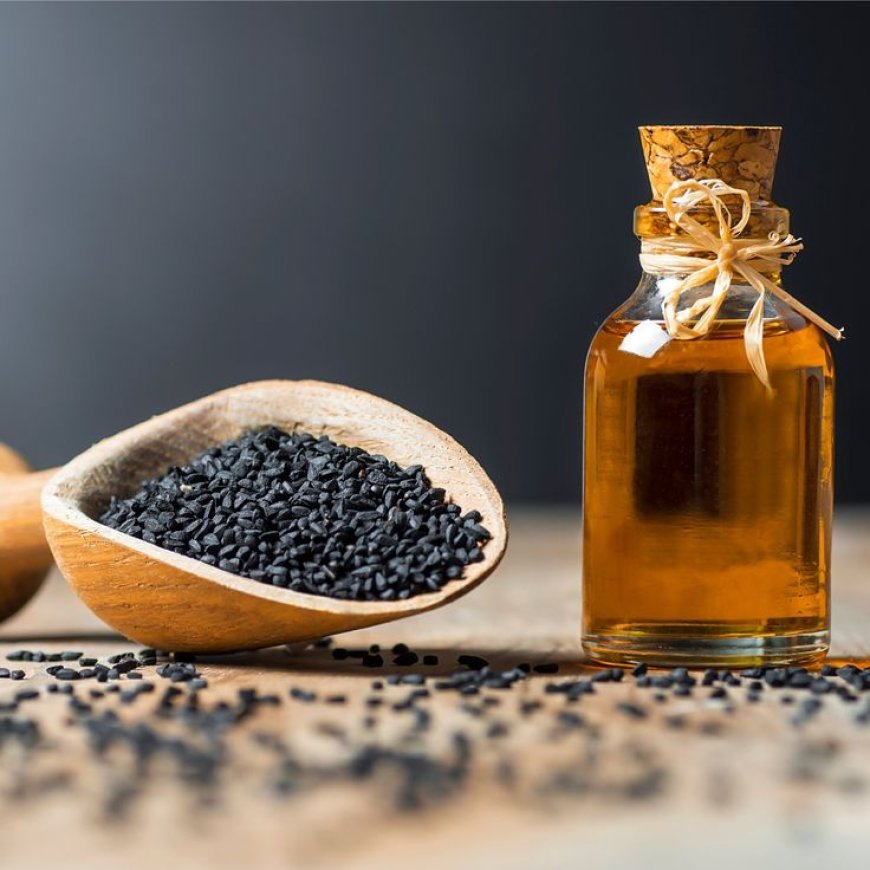
Black seed oil is usually cold-pressed from Nigella sativa seeds. Its best-studied compound is thymoquinone, which researchers associate with antioxidant and anti-inflammatory activity in laboratory settings. The oil has a strong, peppery, slightly bitter taste, which is why many people take it in capsules or blend it into honey or food rather than drinking it plain.
An early point of honesty is useful here: most research on black seed oil is still early-stage. Many studies are small, short, or done on cells and animals, so their results cannot be assumed to apply to people.
A Long Traditional Legacy
In many traditional systems, including Unani and Islamic folk medicine, black seed has been valued as a general remedy for countless complaints. That history explains much of today's curiosity. Still, traditional use shows cultural trust, not clinical proof, and modern evidence should be weighed separately from inherited reputation.
Where Research Looks Promising
Some human trials suggest black seed oil may modestly improve fasting blood sugar in people with type 2 diabetes when used alongside standard care. Others point to small reductions in blood pressure and certain cholesterol markers. Anti-inflammatory effects have also been explored in conditions such as mild asthma and joint discomfort, though results are mixed.
On the skin, black seed oil is used to soothe dryness and irritation, and a few small studies have looked at mild acne and eczema. These findings are encouraging but not definitive, and product strength and study design differ widely.
Where Evidence Is Thin
Claims that black seed oil cures cancer, reverses autoimmune disease, or replaces medication are not supported by reliable human evidence. Laboratory and animal results often fail to carry over to people. Anyone with a serious condition should treat black seed oil, at most, as a possible complement discussed with their doctor, never as a substitute for treatment.
Safety Considerations
Black seed oil is generally well tolerated by healthy adults in typical amounts, but it is not risk-free. It may interact with medicines for diabetes, blood pressure, and blood clotting, and it may add to their effects. It is usually advised against during pregnancy. Some people experience stomach upset or skin reactions.
Sensible precautions include:
- Starting with a small amount to check tolerance
- Speaking with a doctor before combining it with regular medication
- Avoiding use during pregnancy unless a professional approves
- Patch testing before applying to skin
- Pausing use before scheduled surgery, as advised by your surgeon
Trends Around Black Seed Oil
Several patterns are shaping how people approach it today:
- Growing demand for cold-pressed, unrefined oil in dark glass bottles
- Interest in standardized thymoquinone content on labels
- Use in scalp and hair oiling routines
- Preference for capsules over the strong taste of the liquid
- Rising consumer awareness of interactions and quality testing
Choosing and Storing Quality Oil
Look for the botanical name Nigella sativa, the extraction method, the country of origin, and a clear date. Avoid products that promise miracle cures. Black seed oil can oxidize, so store it in a cool, dark place, keep the cap tightly closed, and use it within the period suggested on the label.
A Grounded Final Word
Black seed oil sits between promise and proof. Its traditional standing is deep, and early research on blood sugar, inflammation, and skin is encouraging, but large, high-quality trials are still needed. Used with realistic expectations, careful sourcing, and medical guidance where medication is involved, black seed oil can be a thoughtful supplement to a healthy routine rather than a cure-all.
What's Your Reaction?
 Like
0
 Dislike
0
 Love
0
 Funny
0
 Angry
0
 Sad
0
 Wow
0