




















What Gives an Unwanted Car Value Beyond Its Age and Condition?
Discover how reusable parts, scrap metal, vehicle type and collection costs affect the value of an unwanted car in Australia.

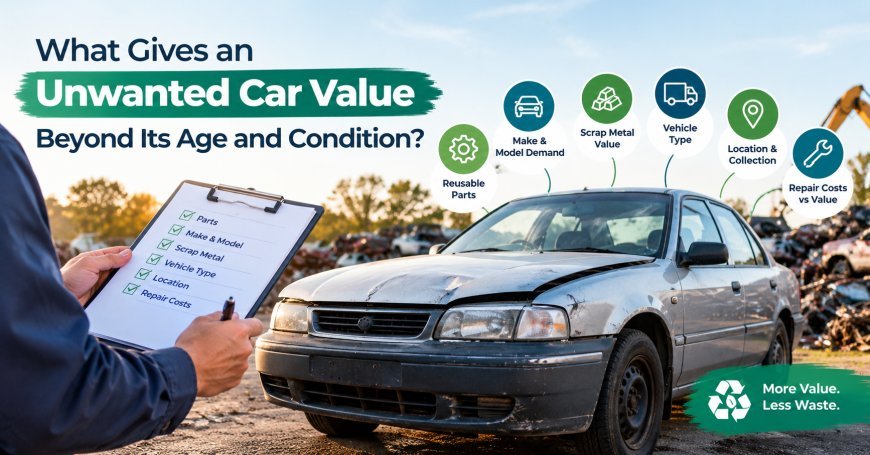
An unwanted car can be worth more than its age or appearance suggests. Even if a vehicle no longer runs, has sustained damage or requires expensive repairs, it may still contain reusable parts and recyclable materials. Its potential value depends on several factors, including the make and model, demand for replacement parts, metal content and the cost of collecting and processing the vehicle.
For car owners in Australia, understanding these factors can help when deciding whether to repair, sell or recycle an unwanted vehicle. Rather than judging a car by its kilometres travelled or exterior condition alone, it is worth looking at what the vehicle can still offer.
1. Reusable Parts Can Retain Value
A car does not need to be roadworthy for every component to be useful. Depending on its condition, parts such as alternators, starter motors, doors, mirrors, headlights, wheels, seats and electronic modules may be suitable for reuse.
These components can help repair other vehicles, particularly when replacement parts are expensive or difficult to source. Demand for parts often depends on the popularity of a particular make and model, as well as the availability of compatible components.
However, not every part can be reused. Damage, wear, testing requirements and removal costs can affect whether a component has resale value.
2. The Make and Model Can Influence Demand
Two cars of a similar age can receive different offers because their makes, models and specifications vary. Parts for common vehicles may have a steady market, while components for less common models can sometimes be difficult to find.
For example, owners maintaining older vehicles may look for second-hand components when new replacements are expensive or no longer readily available. In other cases, a vehicle may have limited demand because suitable parts are already widely available.
This means a car's potential value is not determined by age alone. Its popularity, parts compatibility and current market demand can all influence what a buyer is willing to pay.
3. Scrap Metal Contributes to a Vehicle's Value
When a car is no longer suitable for repair or parts reuse, recyclable materials may still have value. Vehicles contain steel and iron, along with smaller amounts of materials such as aluminium and copper.
Through appropriate recycling processes, these materials can be recovered and used as resources in other industries. This helps reduce waste and supports the reuse of materials that would otherwise be discarded.
However, scrap value is not calculated simply by weighing the entire vehicle. Plastics, glass, upholstery, fluids and other materials affect the amount of metal that can be recovered. Current scrap metal prices, processing expenses and transportation costs also influence the final assessment.
4. The Type of Vehicle Can Make a Difference
The type and size of a vehicle can affect its potential value. Four-wheel drives, utes, vans and commercial vehicles may contain components that are useful for specific repairs or replacement needs.
Larger vehicles can also contain different quantities and combinations of materials compared with smaller passenger cars. However, a larger vehicle will not necessarily receive a higher offer.
A smaller car with components in strong demand may be more attractive to a buyer than a larger vehicle with extensive damage or few reusable parts. The individual vehicle's condition, completeness and market demand remain important considerations.
5. Missing Components Can Affect the Final Assessment
A complete vehicle may be assessed differently from one that has already been partially dismantled. If major components such as the engine, transmission, wheels or catalytic converter are missing, the number of parts available for reuse and the materials remaining for recycling may be reduced.
The effect depends on the vehicle and the components involved. Some missing parts may have little impact on a particular assessment, while others can substantially change its potential value.
Owners should provide accurate information about missing or damaged components when requesting an offer. This helps buyers assess the vehicle more realistically and reduces the chance of unexpected changes after inspection.
6. Location and Collection Costs Matter
The location of an unwanted car can influence its practical value. A vehicle parked in an accessible driveway may be easier to collect than one located in an underground car park, a narrow laneway or an area with limited truck access.
Non-running vehicles may require towing equipment or additional handling. Distance to a processing facility, local demand and transportation expenses can also affect the amount a buyer is prepared to offer.
When comparing offers, car owners should check whether collection is included and whether towing or handling fees apply. A higher initial quote may not necessarily represent the best overall offer if additional costs are deducted later.
7. Repair Costs Should Be Compared With the Car's Potential Value
An older car may still be repairable, but the cost of repairs does not always make financial sense. Major engine, transmission or structural problems can require significant expenditure, and additional faults may emerge during the repair process.
Before committing to repairs, owners can obtain an estimate and compare the expected costs with the vehicle's realistic resale value. They should also consider whether the car is likely to remain reliable after the work is completed.
If repairing the vehicle is not financially practical, selling it in its current condition may be an alternative worth considering. People looking to Sell My Car For Cash should describe the vehicle honestly and compare offers from different buyers.
It is also important to check whether the quoted price includes vehicle collection and to clarify the paperwork required to complete the sale. These details help owners compare offers on a like-for-like basis.
8. Responsible Recycling Adds Value Beyond Money
An unwanted car can still serve a purpose after it reaches the end of its useful life. Reusable components may be recovered, while suitable metals can be processed for future use.
Responsible vehicle recycling also involves handling oils, coolant, batteries and other potentially hazardous materials appropriately. These materials should not be left to leak into the surrounding environment or disposed of carelessly.
Choosing a reputable vehicle recycler can help ensure that the car is handled appropriately. Australian owners should also check the requirements that apply in their state or territory, particularly regarding registration plates, transfer of ownership and vehicle disposal.
How Can You Get a More Realistic Assessment of Your Unwanted Car?
Before requesting an offer, gather the details a buyer may need to evaluate the vehicle.
-
Vehicle information: Note the make, model, year and approximate kilometres travelled.
-
Mechanical condition: Explain whether the car starts, runs and can be driven safely.
-
Damage: Identify known mechanical, electrical or body damage.
-
Missing parts: Mention any major components that have been removed.
-
Vehicle location: Explain where the car is parked and whether it is easily accessible for collection.
-
Ownership documents: Check which registration and ownership documents are available.
Clear photographs can also help a buyer understand the vehicle's condition. Ask how the offer has been calculated, whether collection is included and whether the price could change following an inspection.
Comparing multiple offers can provide a better understanding of the market for your particular vehicle. However, make sure each offer is based on similar information and that any collection fees or other deductions are clearly explained.
Conclusion
An unwanted car's value depends on more than its age and visible condition. Reusable parts, demand for the make and model, recyclable metals, vehicle completeness, location and collection costs can all influence what a buyer is prepared to pay.
These factors do not guarantee a particular price, but they help explain why two seemingly similar vehicles can receive different offers. By assessing repair costs carefully, providing accurate vehicle details and comparing offers, owners can make a more informed decision about their next step.
Even when a car is no longer practical to drive, it may still have a useful second life through parts reuse or responsible recycling.
What's Your Reaction?
 Like
0
 Dislike
0
 Love
0
 Funny
0
 Angry
0
 Sad
0
 Wow
0