


















From Smart Cities to Safer Workplaces: What Is Intelligent Video Analytics Used For?
Understanding what is intelligent video analytics explains how video systems can do more than record activity. By analysing footage and identifying selected events, intelligent analytics can support security monitoring, traffic management, occupancy planning and workplace safety.
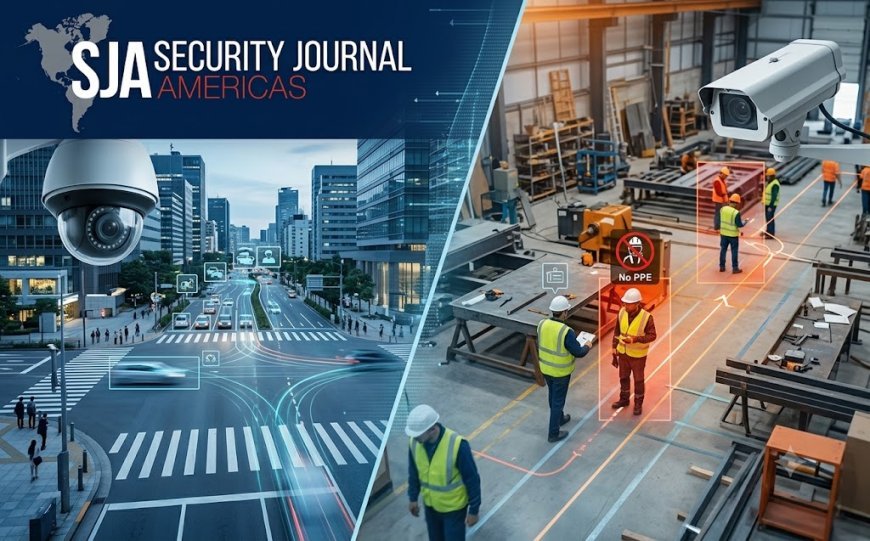
Video cameras are now used in a wide range of environments, from busy transport intersections and commercial buildings to warehouses and industrial facilities. While cameras provide valuable visual coverage, the volume of footage they generate can make it difficult to identify patterns, detect incidents and extract useful operational information.
Video systems can do more than record activity, as what is intelligent video analytics helps explain how technology analyses footage and identifies selected events. These capabilities can support security monitoring, traffic management, occupancy planning and workplace safety.
The technology offers different benefits depending on where it is deployed. A transport facility may prioritise vehicle movement, while an industrial site may focus on restricted areas and safety zones. Effective implementation therefore begins with understanding the environment and its specific requirements.
What Is Intelligent Video Analytics?
Intelligent video analytics uses software to examine video footage and identify meaningful information from visual data. Many modern solutions incorporate artificial intelligence, computer vision and machine learning to detect objects, classify movement and recognise defined events.
Traditional surveillance systems are mainly designed to capture and store footage. Intelligent systems add automated analysis, helping users find relevant information without manually reviewing every recording.
For example, a system may count people entering a building, identify vehicles travelling through a monitored intersection or flag movement near a restricted industrial area. The information can support both security decisions and operational planning.
The capabilities available depend on the camera infrastructure, processing technology, software configuration and quality of the recorded footage.
How Does Intelligent Video Analytics Work?
The process starts with video captured by cameras installed in selected locations. Software processes the images and identifies objects, movement or other visual characteristics.
AI-based systems can classify objects and analyse their movement over time. Configured rules then determine whether an event should generate an alert or contribute to an operational report.
Some analytics run directly on cameras or nearby edge devices, while others use central servers. Edge processing can reduce the need to transmit every video stream to a central location, although storage and connectivity requirements still depend on the application.
The resulting information may appear as alerts, dashboards, event records, occupancy estimates or searchable video metadata.
These outputs help users understand what is happening, but they should be treated as decision-support information rather than unquestionable conclusions.
Applications in Smart Cities
Traffic flow analysis
Traffic monitoring is one of the most visible applications of video analytics. Systems can count vehicles, estimate movement patterns and identify congestion in monitored areas.
This information may help traffic managers assess busy periods, identify recurring bottlenecks and evaluate changes to road layouts. The usefulness of the analysis depends on camera coverage, changing traffic conditions and the reliability of the detection process.
Pedestrian and crowd monitoring
In public spaces, analytics can estimate crowd density and identify when occupancy approaches a defined threshold. Such information can support decisions about access routes, staffing and crowd management.
Crowd estimation should be tested under realistic conditions, especially where people overlap, move unpredictably or obstruct one another.
Incident detection
Video systems may identify stopped vehicles, movement in restricted road areas or objects left in monitored locations. These events can be flagged for human assessment and may help reduce the time needed to identify a potential disruption.
Infrastructure monitoring
Cameras can provide visibility into transport facilities, public buildings and other shared spaces. Analytics can help identify selected events and highlight areas requiring inspection.
It is important to define clear limits on monitoring and data use, particularly where public spaces and personal information are involved.
Applications in Commercial Buildings
Commercial properties need to balance security, access management and efficient use of space.
Video analytics can support entrance monitoring by counting people, identifying movement through restricted doors and highlighting activity outside normal operating hours. When combined with access control, it may help security teams investigate events that require additional review.
Occupancy analytics can also support building operations. Understanding how frequently certain areas are used may help facilities teams plan cleaning schedules, manage shared spaces and assess patterns of building usage.
However, occupancy information should be interpreted carefully. A camera-based estimate may be affected by blocked views, lighting conditions or people moving close together.
Applications in Warehouses and Industrial Facilities
Warehouses and industrial premises often contain large areas with different access and safety requirements. These may include loading docks, vehicle routes, storage zones and areas containing sensitive equipment.
Analytics can help detect movement across designated boundaries, monitor activity around loading areas and flag selected events for investigation.
Supporting workplace safety
Some systems can identify whether people or vehicles enter defined safety zones. Where suitable technology is available, alerts may help staff investigate potential conflicts between pedestrians and moving equipment.
These systems should complement, not replace, physical barriers, safe working procedures, training and direct supervision. A missed detection must never be treated as proof that an area is safe.
Improving operational visibility
Video analysis can help managers understand movement patterns around busy work areas. For example, repeated congestion near loading bays may indicate a need to review workflow or access arrangements.
Operational insights should be based on suitable data and interpreted alongside information from staff, inspections and established safety processes.
Retail, Healthcare and Other Environments
Retail premises can use people counting and queue analysis to estimate visitor flows and identify periods of high demand. These insights may support staffing and space planning, subject to appropriate privacy safeguards.
Healthcare facilities may use video monitoring to manage selected access points, protect restricted areas and support security investigations. Any use in sensitive environments requires careful consideration of patient privacy, confidentiality and applicable legal requirements.
Educational and corporate campuses may use analytics to monitor entrances, vehicle movement and selected restricted locations. Each deployment should be proportionate to the risks and should avoid unnecessary surveillance.
Across all these environments, the value of analytics depends on selecting functions that solve real problems rather than collecting information without a clear purpose.
Key Benefits Across Different Sectors
One benefit is improved situational awareness. Analytics can help staff identify selected events across multiple locations and prioritise areas that require attention.
Another is the ability to turn video into operational information. Counts, movement patterns and event records can help managers understand how spaces are used and where recurring problems may exist.
Automated indexing can also make investigations more efficient by narrowing the footage that staff need to review.
In some deployments, analytics can operate alongside existing cameras, reducing the need for a complete infrastructure replacement. Compatibility and performance must still be assessed before implementation.
Finally, consistent monitoring rules can support repeatable procedures across different locations, provided systems are tested and maintained appropriately.
Challenges, Privacy and Accuracy
Video analytics can produce inaccurate results because of poor lighting, weather, crowded scenes, camera obstruction or unsuitable detection rules. False alarms can increase workloads, while missed detections may create gaps in monitoring.
Data protection is particularly important in public and workplace environments. Organisations should define the purpose of monitoring, limit access to recordings, set appropriate retention periods and communicate relevant policies.
Where analytics could influence employment, access decisions or the treatment of individuals, additional safeguards and human review may be necessary.
Cybersecurity should also be part of the deployment plan. Cameras and supporting systems require secure configurations, regular updates and controlled access.
Choosing the Right Application
The most effective starting point is a clearly defined operational problem. A transport facility may need traffic counting, while a warehouse may prioritise vehicle-zone monitoring. A commercial building may need improved access visibility.
Once the objective is established, evaluate camera placement, image quality, software capabilities and integration requirements. A pilot can reveal whether the system performs reliably under real conditions.
Performance indicators should match the use case. These might include detection accuracy, investigation time, alert volume, occupancy-estimation quality or the frequency of recurring operational issues.
Conclusion
Understanding what is intelligent video analytics reveals how visual data can support a wide range of security and operational needs. From smart-city traffic monitoring to industrial safety and commercial access management, the technology can help users identify patterns and respond to selected events.
For Security Journal Americas, the broader lesson is that intelligent video analytics should be deployed with a clear purpose, appropriate safeguards and measurable outcomes. When technology is matched to genuine operational requirements, it can provide useful insights while keeping human judgement at the centre of important decisions.
Frequently Asked Questions
1. What industries use intelligent video analytics?
Common applications include transport, retail, manufacturing, logistics, commercial buildings, public infrastructure and selected healthcare and educational environments.
2. Can intelligent video analytics monitor traffic?
Yes. Suitable systems can count vehicles, estimate traffic flow and identify selected events such as congestion or movement in restricted areas.
3. How can video analytics improve workplace safety?
It can flag selected activities around designated safety zones, helping staff investigate potential hazards. It should complement established safety controls and supervision.
4. Can video analytics help manage crowds?
Yes. Some systems estimate occupancy and crowd density, which can support planning and response. Performance depends on camera placement and environmental conditions.
5. Does every environment need the same analytics features?
No. The appropriate features depend on the location, risk profile, operational goals, available infrastructure and privacy requirements.
What's Your Reaction?
 Like
0
 Dislike
0
 Love
0
 Funny
0
 Angry
0
 Sad
0
 Wow
0