
















The Ultimate Guide to Choosing the Best Barefoot Shoes for Everyday Comfort
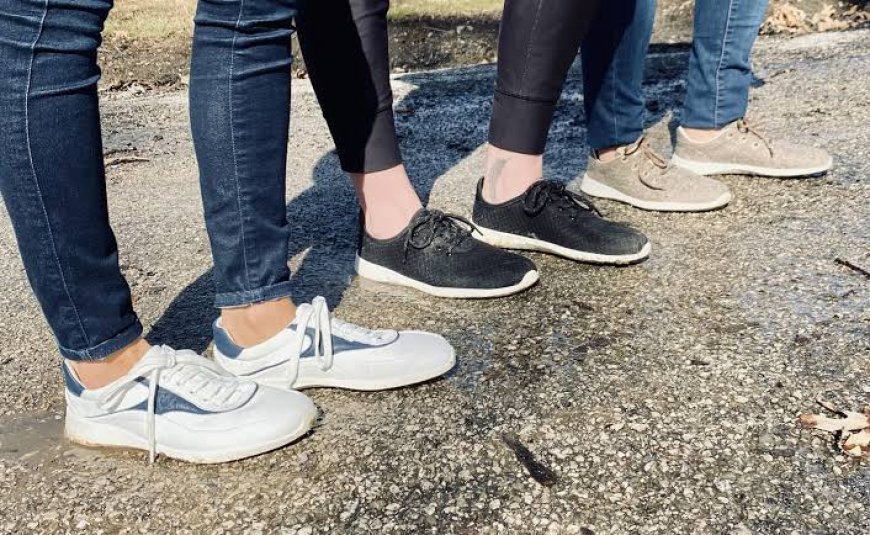
Choosing the right footwear is essential for everyday comfort, whether you are walking to work, running errands, traveling, or spending time outdoors. Traditional shoes often feature thick soles and narrow toe boxes, while barefoot shoes are designed to offer a more natural-feeling walking experience. With their flexible construction and minimalist designs, barefoot shoes have become an appealing option for people looking for greater freedom of movement.
In this guide, we will explore the key features of barefoot shoes, their potential benefits, and the factors to consider when choosing a pair for everyday use.
1. What Are Barefoot Shoes?
Barefoot shoes are minimalist footwear designed to allow the feet to move more naturally than many conventional shoes. They commonly feature thin, flexible soles, lightweight materials, and wider toe boxes that provide more room for the toes.
Many barefoot-style shoes also have a zero-drop design, meaning the heel and forefoot sit at approximately the same height. However, features vary between brands and models, so checking the specifications of each pair is important.
These shoes are available in different styles, including casual sneakers, walking shoes, sandals, and options for outdoor activities.
2. Benefits of Barefoot Shoes for Everyday Wear
One of the main attractions of barefoot shoes is their minimalist construction. A flexible sole can allow the foot to bend more freely, while a roomy toe box can give the toes more space to spread out.
Potential benefits include:
-
Greater toe freedom: A wider toe box can reduce the feeling of cramped toes.
-
Flexible movement: Thin, flexible soles allow the foot to move and bend more naturally.
-
Lightweight construction: Many minimalist shoes are designed to feel light during daily activities.
-
Natural ground awareness: Thinner soles may provide more sensory feedback from the walking surface.
-
Versatile styling: Barefoot shoes come in designs suitable for casual outfits, travel, and everyday errands.
The experience differs from person to person, and barefoot shoes are not automatically more comfortable or suitable for everyone.
3. Look for a Comfortable and Roomy Toe Box
The shape of the toe box is one of the most important features to evaluate when shopping for barefoot shoes. A shoe that is too narrow can press the toes together and cause discomfort.
Look for a design that allows your toes to spread naturally without rubbing against the sides. You should also have appropriate space in front of your longest toe, without your foot sliding excessively inside the shoe.
Remember that foot shapes vary. A shoe that fits one person perfectly may feel too wide, too narrow, or too short for another. Check the brand's sizing chart and fit recommendations before ordering.
4. Choose Flexible and Lightweight Materials
Barefoot shoes are often made from materials such as mesh, knit fabric, leather, or synthetic textiles. Each material offers different characteristics.
Mesh and knit uppers may provide ventilation and flexibility, making them useful for casual daily wear. Leather options may offer a different appearance and feel, while some synthetic materials are designed for easier maintenance.
When comparing materials, consider your climate, the activities you plan to do, and how much care you are willing to provide. Breathability, durability, and weather resistance can vary significantly between models.
5. Understand Sole Thickness and Zero-Drop Design
Barefoot shoes typically use thinner soles than conventional footwear. This construction can increase ground feedback, but it also means less cushioning and protection from rough surfaces.
A zero-drop design keeps the heel and forefoot at the same level. Some people appreciate this level platform, while others prefer shoes with additional cushioning or a raised heel.
If you are new to minimalist footwear, consider your current shoes, comfort needs, and typical walking surfaces. There is no single sole design that works best for every person.
6. Select Shoes for Your Daily Activities
The best barefoot shoes depend on how you plan to use them. Consider these common situations:
-
Everyday walking: Choose a comfortable fit, flexible sole, and upper material suitable for extended wear.
-
Office and casual use: Look for a style that complements your clothing while meeting your comfort requirements.
-
Travel: Lightweight shoes with a secure fit can be practical for sightseeing and daily exploration.
-
Outdoor activities: Consider outsole grip, durability, and protection based on the terrain.
-
Warm weather: Breathable materials may help keep your feet more comfortable.
Before buying, check whether the shoe is designed for your intended activity. Casual barefoot sneakers may not offer the traction or protection needed for every outdoor environment.
7. How to Transition to Barefoot Shoes
Switching from conventional footwear to minimalist shoes can require an adjustment period. Because barefoot shoes may provide less cushioning and allow different movement patterns, suddenly wearing them all day can cause discomfort.
To make the transition more manageable:
-
Start by wearing them for short periods.
-
Choose familiar, relatively comfortable walking surfaces.
-
Increase wearing time gradually if your feet feel comfortable.
-
Pay attention to soreness, fatigue, or persistent discomfort.
-
Allow time for rest between sessions when needed.
People with existing foot problems, reduced sensation, balance concerns, or other relevant medical conditions should seek professional advice before making a significant footwear change.
8. How to Choose the Right Barefoot Shoe Brand
When comparing barefoot shoe brands, evaluate more than appearance. Consider the fit, materials, sole flexibility, durability, and intended use of each model.
Groundies is one brand associated with minimalist and barefoot-style footwear. Its range includes different shoe designs, so comparing individual models can help you determine whether a particular pair suits your daily needs.
Reading a detailed Groundies Review can help shoppers understand available styles, sizing considerations, comfort feedback, and potential limitations before making a purchase. It is also useful to check current product specifications and the return policy, especially when ordering shoes online.
9. Tips for Getting the Best Fit
Even a well-designed shoe may feel uncomfortable if the size or shape does not match your feet. Before making a final decision, keep these tips in mind:
-
Measure both feet and use the larger measurement when selecting a size.
-
Check the brand's current sizing chart rather than relying only on your usual size.
-
Consider foot width and toe shape, not just shoe length.
-
Try shoes with the socks you normally wear, if applicable.
-
Walk around indoors to assess comfort and movement.
-
Review return and exchange conditions before purchasing.
A proper fit should feel secure without squeezing your toes or creating unnecessary pressure points.
10. Caring for Barefoot Shoes
Proper care can help maintain the appearance and performance of your footwear. Cleaning methods depend on the materials used, so always follow the manufacturer's instructions.
Here are a few general tips:
-
Remove loose dirt after wearing your shoes outdoors.
-
Allow damp shoes to air-dry naturally.
-
Avoid direct heat unless the care instructions specifically allow it.
-
Use suitable cleaning products for leather, mesh, or other materials.
-
Store shoes in a dry, well-ventilated place.
-
Inspect the soles and seams periodically for signs of wear.
Regular care can help extend the useful life of your shoes and keep them looking their best.
Conclusion
Barefoot shoes offer a minimalist alternative for people who want flexible footwear, a roomy toe box, and a more natural-feeling walking experience. However, the right choice depends on your foot shape, comfort preferences, activities, and experience with minimalist shoes.
Before purchasing, compare the fit, sole design, materials, durability, and care requirements of different models. Start wearing minimalist shoes gradually if you are new to them, and pay attention to how your feet respond.
By understanding these features and choosing footwear that suits your needs, you can make a more informed decision about finding comfortable barefoot shoes for everyday life.
What's Your Reaction?
 Like
0
 Dislike
0
 Love
0
 Funny
0
 Angry
0
 Sad
0
 Wow
0