
























The Ultimate Guide to Choosing the Best Blue Carbon Steel Frying Pan for Your Kitchen
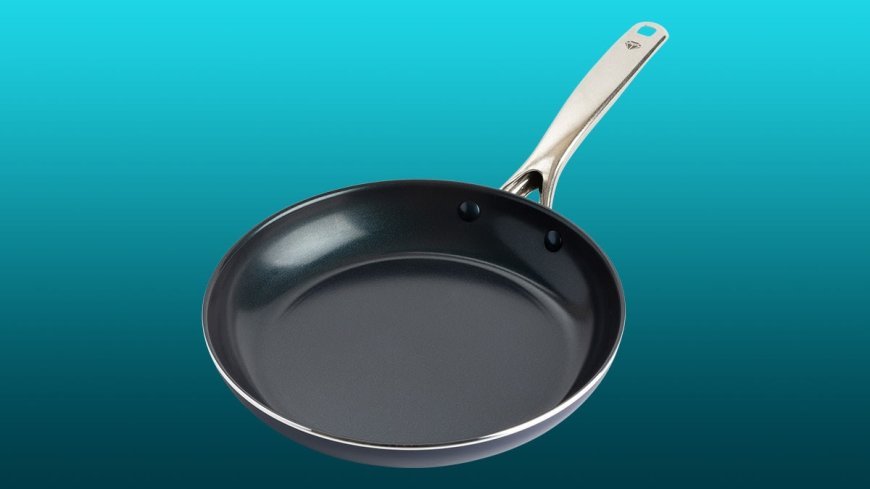
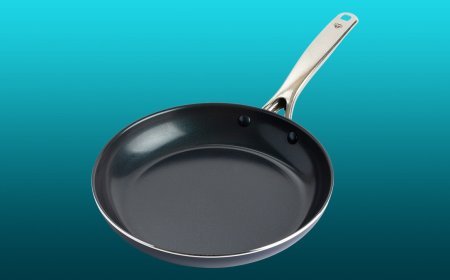
Choosing the right frying pan can make a significant difference in your cooking experience. Whether you enjoy preparing crispy eggs, searing steaks, sautéing vegetables, or making delicious pancakes, a reliable frying pan is an essential kitchen tool. Among the many cookware options available, blue carbon steel frying pans have become popular among home cooks and professional chefs because of their excellent heat control, durability, and versatility.
Blue carbon steel cookware combines many of the benefits of cast iron and stainless steel while offering a relatively lightweight design. With proper seasoning and maintenance, it can develop a naturally nonstick surface that improves with use. However, selecting the right pan requires understanding its materials, size, performance, and care requirements.
In this guide, we will explore the benefits of blue carbon steel frying pans, the features to consider before purchasing one, and practical tips for getting the most out of your cookware.
What Is a Blue Carbon Steel Frying Pan?
A blue carbon steel frying pan is made from carbon steel that has undergone a surface treatment to help protect it from corrosion during storage and handling. The blue appearance is typically created through a controlled oxidation process rather than a permanent nonstick coating.
Carbon steel is valued for its ability to heat up relatively quickly and respond well to changes in temperature. This makes it suitable for cooking techniques that require precise heat control, including searing, frying, sautéing, and browning.
Unlike many coated nonstick pans, carbon steel cookware can develop a seasoned surface through repeated cooking and proper oil treatment. This surface helps food release more easily over time.
However, blue carbon steel pans require care. They can rust if left wet, and acidic ingredients may affect the seasoning, particularly when the pan is new.
Benefits of Using a Blue Carbon Steel Frying Pan
Before choosing a frying pan, it is helpful to understand what makes carbon steel different from other cookware materials.
1. Excellent Heat Control
Carbon steel heats up relatively quickly and responds well when you adjust the burner temperature. This responsiveness makes it useful for recipes that require changes in heat during cooking.
For example, you can heat a pan to sear meat and then reduce the temperature to finish cooking more gently. With proper preheating, the pan can also help produce a nicely browned crust on vegetables and proteins.
Remember that heat distribution depends on the pan's thickness, burner type, and cooking technique.
2. Naturally Develops a Seasoned Surface
One of the biggest advantages of carbon steel cookware is its ability to develop a seasoned surface.
Seasoning involves applying a thin layer of cooking oil and heating it until it forms a protective polymerized coating. Over time, repeated cooking and maintenance help build this layer.
A well-seasoned pan can release foods more easily, making it useful for cooking eggs, fish, pancakes, and other delicate ingredients. However, its nonstick performance depends on seasoning quality, preheating, and the amount of cooking fat used.
3. Durable Construction
Carbon steel cookware is known for its durability. Without a fragile synthetic nonstick coating, a well-maintained pan can serve you for many years.
It can withstand regular cooking and is particularly useful for people who frequently prepare meals at home. Although carbon steel is durable, it can still warp if exposed to sudden temperature changes or overheated while empty.
Following the manufacturer's heating and care instructions helps preserve the pan's performance.
4. Versatile Cooking Performance
A quality blue carbon steel frying pan can handle several cooking methods, including:
-
Frying eggs and omelets
-
Searing chicken, beef, and fish
-
Sautéing vegetables
-
Browning potatoes
-
Preparing pancakes and crepes
-
Cooking foods that benefit from a well-browned surface
Some carbon steel pans can also be used in the oven, depending on their handle construction and the manufacturer's temperature limits.
This versatility makes carbon steel a practical option for cooks who want one pan for a wide range of recipes.
5. A Lightweight Alternative to Cast Iron
Carbon steel pans are often lighter than cast iron pans of comparable size. This can make them easier to lift, maneuver, and use for tossing ingredients.
The exact weight depends on the pan's diameter and thickness, so compare product specifications if handling comfort is important to you.
For everyday cooking, the balance between durability and maneuverability can be a major advantage.
Key Features to Consider When Choosing a Blue Carbon Steel Frying Pan
Not all carbon steel frying pans offer the same cooking experience. Before buying one, consider the following features.
1. Pan Size
The size of your frying pan should match your cooking habits and household needs.
A smaller pan may be ideal for individual portions, eggs, or quick breakfasts. A medium-sized pan works well for everyday meals, while a larger pan offers more room for searing meat and preparing food for several people.
Consider these general guidelines:
-
8-inch pan: Suitable for small portions and individual meals.
-
10-inch pan: A practical option for everyday cooking.
-
12-inch pan: Useful for larger portions and family meals.
These sizes are general recommendations rather than strict rules. The best choice depends on the number of people you cook for and the size of your stovetop.
2. Thickness and Weight
The thickness of a carbon steel pan influences its weight, heating behavior, and resistance to warping.
Thinner pans may heat up quickly and feel lighter, while thicker pans may retain more heat and provide a more substantial cooking surface.
If you frequently sear meat, you may prefer a pan with sufficient mass to maintain heat when cold ingredients are added. For quick meals and easy handling, a lighter design may be more comfortable.
3. Handle Design
A comfortable handle makes a frying pan easier to use safely. Look for a handle that provides a secure grip and feels balanced when the pan contains food.
Also, check whether the handle is oven-safe and whether it becomes hot during cooking. Many carbon steel pans have metal handles that can become very hot, so oven mitts or suitable heat protection may be necessary.
4. Stovetop Compatibility
Many carbon steel frying pans work with gas, electric, and induction cooktops, but compatibility should always be confirmed for the specific product.
If you use induction cooking, check that the pan is designed for induction and that its base works properly with your cooktop.
A pan that is compatible with your cooking equipment offers greater flexibility and helps prevent unnecessary purchasing mistakes.
5. Ease of Maintenance
Carbon steel requires a different care routine from stainless steel or conventional nonstick cookware.
Look for clear instructions covering seasoning, cleaning, drying, and storage. Although the maintenance process is straightforward once you become familiar with it, it requires more attention than simply placing a coated pan in the dishwasher.
Choosing cookware that fits your willingness to maintain it can make everyday cooking more enjoyable.
Blue Carbon Steel vs. Other Frying Pan Materials
Understanding the differences between cookware materials can help you decide whether carbon steel is the right choice.
Carbon Steel vs. Cast Iron
Both materials can develop a seasoned cooking surface and provide excellent results when properly maintained.
Carbon steel is generally lighter and responds more quickly to temperature changes. Cast iron is often heavier and retains heat for longer, making it useful for steady, high-heat cooking.
Choose carbon steel if you want maneuverability and responsive heat control. Cast iron may be preferable if you prioritize heat retention and do not mind additional weight.
Carbon Steel vs. Stainless Steel
Stainless steel is valued for its corrosion resistance and relatively simple maintenance. It generally does not require seasoning and can handle acidic ingredients more conveniently.
Carbon steel, on the other hand, can develop a seasoned surface that improves food release with use. It requires more careful drying and protection against rust.
If you prefer low-maintenance cookware, stainless steel may be a better fit. If you enjoy developing and maintaining a seasoned pan, carbon steel is worth considering.
Carbon Steel vs. Nonstick Cookware
Traditional nonstick frying pans are convenient for delicate foods and often require less cooking oil. However, their coatings can wear down over time and need to be used according to the manufacturer's temperature and utensil recommendations.
Carbon steel does not rely on a conventional synthetic nonstick coating. Instead, it develops seasoning that can be renewed with proper care.
For cooks who want long-lasting cookware and enjoy high-heat techniques, carbon steel can be an appealing alternative. For beginners who prioritize effortless cleanup, conventional nonstick cookware may be easier.
How to Season a Blue Carbon Steel Frying Pan
Seasoning is an important step in preparing many carbon steel pans for use. Always check whether your pan comes pre-seasoned and follow the manufacturer's instructions.
If seasoning is required, these general steps can help.
Step 1: Clean the Pan
Wash the pan according to the manufacturer's directions to remove protective oils, residue, or packaging-related materials. Some pans have a temporary protective coating that must be removed before cooking.
Step 2: Dry It Completely
Use a clean towel to remove moisture, then warm the pan gently on the stovetop to ensure it is completely dry.
This step is essential because moisture can lead to rust.
Step 3: Apply a Thin Layer of Oil
Add a small amount of suitable cooking oil and spread it across the cooking surface. Wipe away excess oil so the pan appears almost dry rather than greasy.
Too much oil can create a sticky or uneven layer.
Step 4: Heat the Pan Carefully
Follow the manufacturer's recommended seasoning method, whether stovetop or oven-based. Use appropriate ventilation and avoid overheating the pan or allowing oil to smoke excessively.
Step 5: Repeat if Necessary
Depending on the manufacturer's instructions and the pan's condition, additional thin seasoning layers may help establish a protective surface.
With regular use and proper maintenance, the seasoning can gradually improve.
Tips for Cooking With Blue Carbon Steel
Even a high-quality pan performs better when used correctly. Follow these tips to get more consistent results.
Preheat the Pan Properly
Allow the pan to warm gradually before adding food. Proper preheating helps promote even cooking and can improve food release.
Avoid heating the pan empty at extremely high temperatures for extended periods, as this can cause damage or warping.
Use an Appropriate Amount of Oil
Although seasoning helps create a more release-friendly surface, carbon steel is not automatically nonstick in every situation.
Use enough cooking oil or fat for the ingredients you are preparing, especially when the pan is new or the seasoning is still developing.
Avoid Excessive Acidic Cooking at First
Tomatoes, vinegar, wine, and other acidic ingredients may weaken a developing seasoning layer.
Once the seasoning is established, brief acidic cooking may be manageable, but extended cooking with acidic ingredients can still affect the surface. Stainless steel is often more suitable for recipes that require prolonged simmering of acidic sauces.
Use Suitable Cooking Utensils
Metal utensils can generally be used with bare carbon steel, but avoid aggressively scraping the surface if you want to preserve the seasoning.
Wooden or heat-resistant silicone utensils are also useful choices for everyday cooking.
How to Clean and Maintain Your Carbon Steel Pan
Proper cleaning and storage are essential for protecting your cookware.
-
Clean after use: Wash the pan with warm water and a soft sponge. Use mild dish soap when needed, following the manufacturer's instructions.
-
Remove stuck food carefully: Soak briefly with warm water or use a gentle scrubber. Avoid leaving the pan submerged for long periods.
-
Dry immediately: Wipe the pan thoroughly and warm it briefly on the stovetop if necessary.
-
Apply a light oil coating: A very thin layer of cooking oil can help protect the surface from moisture during storage.
-
Store in a dry place: Ensure the pan is completely dry before placing it in a cupboard.
If rust develops, it may be possible to remove it with gentle scrubbing and then restore the seasoning. Follow the manufacturer's guidance for the appropriate cleaning and reseasoning process.
Is a Made In Blue Carbon Steel Frying Pan Worth Considering?
When evaluating carbon steel cookware, it is helpful to compare construction quality, size options, handle design, compatibility, and maintenance requirements.
A product assessment such as a Made In Blue Carbon Steel Frying Pan Review can be a useful starting point for understanding what to examine before buying. However, your final decision should be based on the specific pan's current specifications, price, warranty, and your personal cooking needs.
Before purchasing, consider these questions:
-
Does the pan come pre-seasoned, or does it require preparation?
-
Is the size suitable for your household and stovetop?
-
Does the handle provide a comfortable and secure grip?
-
Is the pan compatible with your cooktop and intended oven use?
-
Are cleaning and maintenance instructions clearly provided?
-
Does the price make sense compared with similar carbon steel cookware?
Comparing these details helps you make a more informed decision instead of choosing cookware based on appearance or brand name alone.
Common Mistakes to Avoid When Buying Carbon Steel Cookware
Avoiding a few common mistakes can help you choose a frying pan that suits your needs.
-
Choosing the wrong size: A pan that is too small can overcrowd food, while an oversized pan may be inconvenient for daily meals.
-
Ignoring maintenance requirements: Carbon steel needs proper drying and occasional seasoning care.
-
Expecting instant nonstick performance: A new pan may require time and regular use to develop effective seasoning.
-
Overheating the pan: Excessive heat can damage seasoning and potentially warp the cookware.
-
Using the wrong cleaning method: Prolonged soaking and improper storage can encourage rust.
-
Overlooking compatibility: Always check the pan's suitability for your cooktop and oven before buying.
Understanding these factors will help you get better results and protect your cookware investment.
Final Thoughts
A blue carbon steel frying pan can be a valuable addition to your kitchen if you want durable cookware, responsive heat control, and a cooking surface that can improve with proper seasoning. Its versatility makes it suitable for preparing everything from eggs and pancakes to vegetables and seared meats.
Before purchasing, compare the pan's size, thickness, handle design, cooktop compatibility, price, and care requirements. Remember that carbon steel performs best when it is properly seasoned, dried, and stored.
By choosing a pan that matches your cooking style and maintaining it correctly, you can enjoy reliable cooking performance for years to come.
What's Your Reaction?
 Like
0
 Dislike
0
 Love
0
 Funny
0
 Angry
0
 Sad
0
 Wow
0