

























The Ultimate Guide to Choosing the Best Cookware for Your Everyday Kitchen Needs
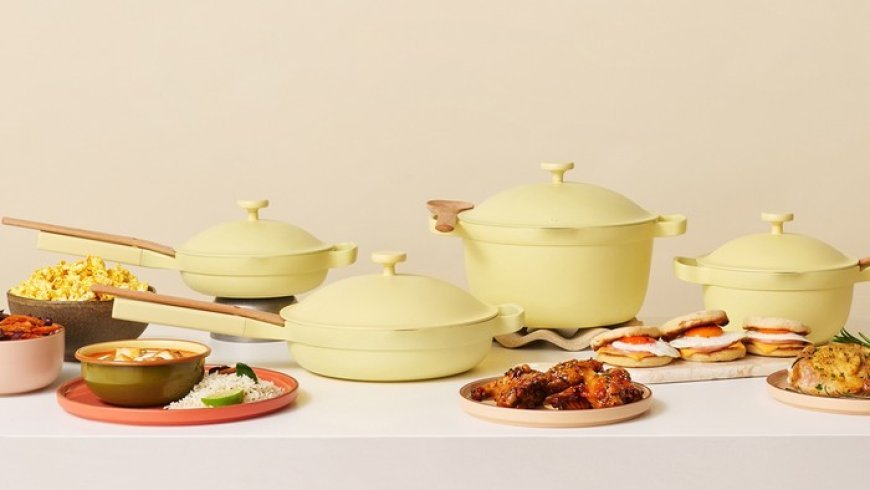
Choosing the right cookware is an important step toward making everyday cooking easier, more enjoyable, and more efficient. Whether you prepare quick breakfasts, healthy lunches, or family dinners, having the right pots and pans can improve your cooking experience. With so many cookware materials, designs, and brands available, finding the best option for your kitchen can feel overwhelming.
The ideal cookware should match your cooking habits, kitchen space, budget, and preferred cooking methods. Some people prefer traditional stainless steel cookware, while others appreciate the convenience of nonstick pans or the durability of cast iron. Understanding the differences between these options can help you make a confident purchasing decision.
In this guide, we will explore the different types of cookware, important features to consider, maintenance tips, and practical ways to choose cookware that suits your everyday needs.
Why Choosing the Right Cookware Matters
Cookware plays an essential role in how food heats, cooks, and tastes. The right pots and pans can help you prepare meals consistently while making kitchen tasks more convenient.
Here are some important benefits of choosing suitable cookware.
1. Improves Cooking Performance
Different cookware materials distribute and retain heat differently. For example, stainless steel is versatile and durable, while cast iron retains heat well for searing and browning.
Choosing cookware that suits your recipes can help you achieve better results, whether you are frying vegetables, simmering sauces, or preparing a hearty stew.
2. Makes Everyday Cooking Easier
Cookware with comfortable handles, practical shapes, and easy-to-clean surfaces can simplify daily meal preparation.
A versatile frying pan, a medium saucepan, and a large pot can handle many common cooking tasks without requiring a crowded kitchen full of specialized equipment.
3. Supports Healthier Meal Preparation
Preparing meals at home gives you greater control over ingredients, portion sizes, cooking oils, and seasoning.
Some nonstick cookware allows food to be cooked with less oil, although the amount required depends on the recipe and cooking technique. Choosing cookware that supports your preferred cooking methods can make home cooking more convenient.
4. Offers Long-Term Value
High-quality cookware can last for years when properly maintained. Durable materials, reliable handles, and suitable construction may reduce the need for frequent replacements.
Instead of focusing only on the initial price, consider the cookware's expected lifespan, warranty, maintenance requirements, and versatility.
Different Types of Cookware for Everyday Use
Understanding common cookware materials is one of the easiest ways to narrow down your options.
Stainless Steel Cookware
Stainless steel cookware is a popular choice for everyday kitchens because it is durable, versatile, and generally resistant to rust and corrosion.
It works well for boiling, sautéing, browning, and preparing sauces. Many stainless steel pans feature an aluminum or copper core to improve heat distribution.
Best for: Home cooks who want versatile cookware for a wide range of recipes.
Advantages:
-
Durable construction.
-
Suitable for many cooking techniques.
-
Generally easy to maintain.
-
Often compatible with different cooktops, depending on the product.
One consideration is that food can stick if the pan is not properly preheated or used with an appropriate amount of cooking fat.
Nonstick Cookware
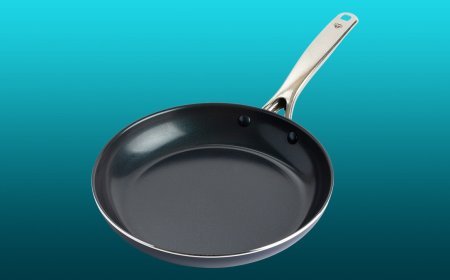
Nonstick cookware is designed to help food release easily from the cooking surface. It can be especially convenient when preparing eggs, pancakes, fish, and other delicate foods.
Many nonstick pans also require less oil for certain recipes and are relatively easy to clean.
Best for: Beginners and busy households that prioritize convenient cooking and cleanup.
Advantages:
-
Easy food release.
-
Convenient cleanup.
-
Useful for delicate ingredients.
-
Often lightweight.
To preserve the coating, follow the manufacturer's temperature recommendations and cleaning instructions. Avoid overheating an empty nonstick pan, and replace cookware when the coating becomes significantly damaged.
Cast Iron Cookware
Cast iron cookware is known for its excellent heat retention and durability. It is particularly useful for searing meat, frying, baking, and cooking dishes that benefit from steady heat.
With appropriate seasoning and care, many cast iron pans develop a surface that releases food more easily.
Best for: Cooks who enjoy high-heat cooking and want long-lasting cookware.
Advantages:
-
Excellent heat retention.
-
Suitable for stovetop and oven cooking when specified by the manufacturer.
-
Can last for many years.
-
Versatile for savory and baked dishes.
Cast iron is generally heavier than other cookware materials and requires proper drying to prevent rust.
Ceramic-Coated Cookware
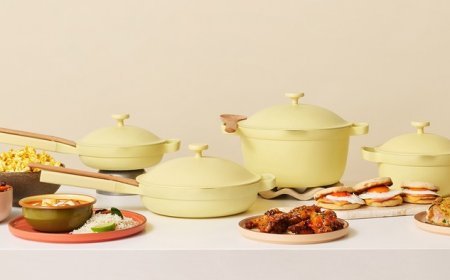
Ceramic-coated cookware typically features a metal body with a ceramic-based nonstick coating. It is available in many colors and styles, making it appealing to people who want functional cookware with a modern appearance.
Best for: Home cooks who prefer easy food release and contemporary kitchen designs.
Advantages:
-
Smooth cooking surface.
-
Convenient cleaning.
-
Available in different colors and styles.
-
Useful for everyday meals.
Ceramic-based coatings can lose their nonstick performance over time. Proper heating, gentle cleaning, and following the manufacturer's care instructions can help preserve the surface.
Carbon Steel Cookware
Carbon steel cookware combines relatively quick heating with good heat control. It is commonly used for frying, searing, sautéing, and preparing foods that benefit from a seasoned surface.
Like cast iron, carbon steel usually requires seasoning and careful drying.
Best for: Cooks who want responsive heat control and durable cookware.
Advantages:
-
Versatile cooking performance.
-
Often lighter than comparable cast iron pans.
-
Can develop a seasoned cooking surface.
-
Suitable for high-heat techniques when used correctly.
Carbon steel may not be the best choice for people who prefer completely maintenance-free cookware.
Essential Cookware Pieces Every Kitchen Needs
You do not need a large collection of pots and pans to prepare delicious meals. Starting with a few versatile pieces can help you build a practical kitchen.
1. A Versatile Frying Pan
A frying pan is useful for cooking eggs, sautéing vegetables, browning meat, and preparing quick meals.
Choose a size that matches your household. A medium-sized pan works well for many everyday tasks, while a larger option provides more room for family portions.
2. A Reliable Saucepan
A saucepan is essential for preparing oatmeal, boiling eggs, heating soup, cooking grains, and making sauces.
Look for a comfortable handle, a stable base, and a lid that fits securely.
3. A Large Cooking Pot
A larger pot is helpful for pasta, soups, stews, beans, and family-sized meals.
If you frequently prepare batch meals, consider a pot with enough capacity to accommodate your recipes without overcrowding.
4. A Dutch Oven
A Dutch oven is a versatile addition for slow cooking, braising, simmering, and preparing one-pot meals.
Cast iron models often provide excellent heat retention, while other materials may offer lighter weight or different maintenance requirements.
5. A Baking Dish or Oven-Safe Pan
An oven-safe pan or baking dish expands your cooking options. You can prepare roasted vegetables, casseroles, baked pasta, and other dishes with less need to transfer food between containers.
Always confirm the product's oven-safe temperature and whether its handles, lids, and other components are suitable for oven use.
Key Features to Consider Before Buying Cookware
Before investing in a cookware set or individual pieces, evaluate the following features.
Material and Construction
The material influences heating performance, weight, durability, and maintenance.
Think about the foods you prepare most often. Stainless steel may suit varied cooking tasks, nonstick cookware may be convenient for delicate foods, and cast iron may be ideal for searing.
You can also combine different materials rather than relying on one cookware type for every recipe.
Heat Distribution
Even heat distribution helps reduce hot spots and supports more consistent cooking.
Cookware with a well-designed base or a layered metal construction can improve performance. However, results also depend on the burner size, pan thickness, and cooking temperature.
Cooktop Compatibility
Not every pan works with every cooking surface. If you have an induction cooktop, choose cookware specifically marked as induction-compatible.
Also check compatibility with gas, electric, ceramic, and other cooking surfaces when relevant.
Handle Comfort and Safety
A comfortable handle makes cookware easier to lift and move. Look for a secure grip and a design that feels balanced when the pan contains food.
Some handles become hot during cooking, and not every handle is oven-safe. Check the manufacturer's instructions before placing cookware in an oven.
Size and Storage
Choose cookware that matches your household size and kitchen space.
A compact collection may be sufficient for one or two people, while larger households may benefit from additional pots and pans.
Stackable designs can also help save storage space, particularly in smaller kitchens.
Cleaning and Maintenance
Consider how much time you want to spend cleaning your cookware.
Stainless steel is often relatively straightforward to maintain, while seasoned cast iron and carbon steel require more attention. Nonstick and ceramic-coated pans may be easier to clean but need careful handling to protect their surfaces.
Price and Warranty
Cookware prices vary according to materials, construction, size, and brand.
Set a budget before shopping, then compare the features that matter most. Review warranty coverage, care instructions, and replacement policies to understand the long-term value of your purchase.
How to Choose Cookware for Your Cooking Style
The best cookware collection depends on how you prepare food.
For Quick Weekday Meals
If you frequently cook simple meals after work or school, prioritize versatile pans that heat efficiently and are easy to clean.
A frying pan, saucepan, and medium cooking pot may cover most of your everyday needs.
For Healthy Home Cooking
If you often prepare vegetables, lean proteins, and grain-based meals, choose cookware that suits your preferred cooking techniques.
A combination of stainless steel and nonstick cookware can provide flexibility for sautéing, boiling, and preparing delicate ingredients.
For Families
Families may benefit from larger pans, roomy pots, and cookware that can handle frequent use.
Durability, easy maintenance, and the ability to prepare several portions at once are especially important considerations.
For Small Kitchens
If storage space is limited, look for versatile cookware that serves multiple purposes.
A carefully selected frying pan, saucepan, and multipurpose pot can reduce clutter while still supporting a wide variety of recipes.
Tips for Maintaining Your Cookware
Proper care helps preserve cookware performance and extend its useful life.
Clean According to the Material
Follow the manufacturer's cleaning recommendations. Stainless steel, nonstick, cast iron, and carbon steel may require different cleaning methods.
Avoid using abrasive tools on surfaces that could be scratched or damaged.
Avoid Sudden Temperature Changes
Placing extremely hot cookware under cold water can cause thermal shock or warping in some products.
Allow pans to cool appropriately before washing them, unless the manufacturer provides different instructions.
Use Suitable Cooking Utensils
Wooden, silicone, and other heat-resistant utensils are useful for many cookware surfaces.
For coated pans, avoid utensils that could scratch or damage the coating.
Store Cookware Carefully
Use protective layers between stacked pans when necessary, especially for coated cookware.
Proper storage can help prevent scratches, dents, and unnecessary wear.
Follow Heating Recommendations
Different cookware materials have different heat limits. Avoid excessive heat, particularly with nonstick coatings and cookware that is not designed for high-temperature cooking.
Using the correct temperature can help maintain performance and safety.
Is Our Place Cookware Worth Considering?
When comparing cookware brands, consider the product range, materials, design, versatility, and ease of maintenance.
Our Place is known for kitchen products that emphasize contemporary design and practical everyday cooking. Its cookware options may appeal to people looking for attractive products that can complement a modern kitchen.
Before purchasing, compare the specifications of the particular product you are interested in. A detailed Our Place Review can be one useful part of your research, but you should also examine current pricing, independent customer feedback, warranty terms, and care instructions.
Ask yourself these questions before making a decision:
-
Does the cookware suit the meals you prepare regularly?
-
Is the material appropriate for your cooking style?
-
Is the pan or pot compatible with your cooktop?
-
Are the size and weight comfortable for everyday use?
-
What cleaning and maintenance steps are required?
-
Does the product offer good value compared with similar alternatives?
Evaluating these factors can help you decide whether a particular cookware option meets your expectations and budget.
Common Cookware Buying Mistakes to Avoid
A few common mistakes can lead to unnecessary spending or disappointment.
-
Buying an oversized set: You may end up paying for pieces you rarely use.
-
Ignoring material differences: Each material has specific advantages and care requirements.
-
Overlooking cooktop compatibility: Not all cookware works with induction or every other cooking surface.
-
Choosing appearance over performance: Attractive designs are useful, but construction and usability matter too.
-
Ignoring maintenance instructions: Incorrect cleaning or heating can shorten a product's lifespan.
-
Focusing only on the initial price: Consider durability, warranty coverage, and long-term usefulness.
By prioritizing your actual cooking needs, you can build a cookware collection that works well without unnecessary expense.
Final Thoughts
Choosing the best cookware for your everyday kitchen needs begins with understanding your cooking habits, preferred materials, and available space. Stainless steel, nonstick, cast iron, ceramic-coated, and carbon steel cookware each offer different advantages.
For many households, a small collection of versatile pieces is more practical than purchasing a large set with unnecessary items. Focus on reliable construction, suitable sizes, cooktop compatibility, comfortable handles, and manageable maintenance requirements.
Take time to compare available options and read product specifications before purchasing. With the right cookware, everyday meal preparation can become more convenient, enjoyable, and efficient for years to come.
What's Your Reaction?
 Like
0
 Dislike
0
 Love
0
 Funny
0
 Angry
0
 Sad
0
 Wow
0