






















The Ultimate Guide to Choosing the Best Overlanding Gear for Your Next Adventure
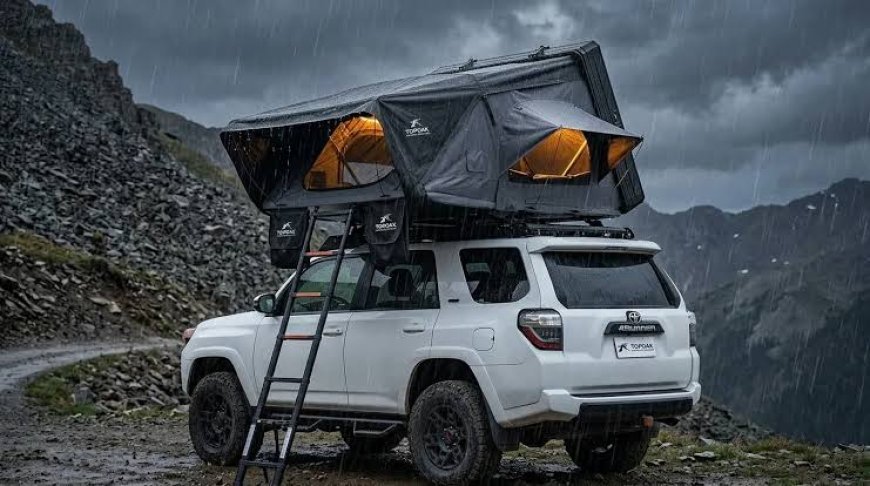
Overlanding is an exciting way to explore remote destinations, enjoy the outdoors, and experience the freedom of traveling at your own pace. Whether you are planning a weekend camping trip or a longer off-road journey, having the right gear can make your adventure safer, more comfortable, and more enjoyable.
From vehicle recovery tools to camping equipment and portable power solutions, every item has a role in helping you prepare for changing conditions. Choosing suitable overlanding gear requires understanding your travel plans, vehicle capabilities, and personal needs.
In this guide, we will explore essential overlanding equipment, explain what to consider before buying, and share practical tips for preparing for your next adventure.
1. Understand Your Overlanding Needs
Before purchasing equipment, consider the type of trips you want to take. Your destination, travel duration, weather conditions, and number of travelers all influence the gear you need.
For example, a short trip to an established campsite may require only basic camping supplies. A multi-day journey through remote areas may require additional navigation tools, recovery equipment, food storage, and emergency supplies.
Create a checklist based on your planned activities. This helps you avoid unnecessary purchases while ensuring that essential equipment is not overlooked.
2. Choose Reliable Vehicle Accessories
Your vehicle is an important part of any overlanding adventure. Suitable accessories can help improve organization, storage, and functionality while traveling.
Popular vehicle accessories include roof racks, cargo storage systems, protective floor mats, and mounting solutions for camping equipment. Before purchasing an accessory, confirm that it is compatible with your vehicle's make, model, and year.
Pay attention to load limits and installation requirements. Roof racks and other mounted equipment can affect vehicle handling, fuel consumption, and overall height. Always follow the manufacturer's recommendations and avoid exceeding rated capacities.
3. Invest in Quality Camping Equipment
Comfortable camping equipment can make a significant difference during extended outdoor trips. Your basic setup should provide suitable shelter, sleeping comfort, and protection from the weather.
Consider including:
-
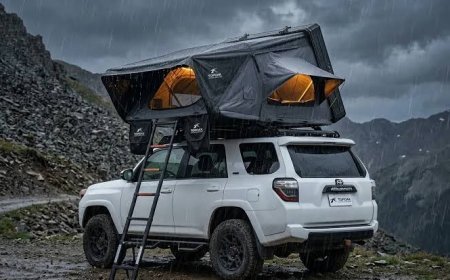
Tent or rooftop tent: Choose a shelter appropriate for your vehicle, destination, and expected weather conditions.
-
Sleeping bag: Select one with a temperature rating suitable for the conditions you expect.
-
Sleeping pad or mattress: Look for adequate insulation and comfort for the terrain.
-
Camping chairs: Lightweight, foldable options can make campsite relaxation easier.
-
Lighting: Headlamps, lanterns, and rechargeable lights can help you navigate after dark.
Check the weight, packed size, durability, and setup requirements of each item before making a decision.
4. Prepare for Vehicle Recovery
Overlanding routes can include sand, mud, gravel, steep inclines, and uneven terrain. Appropriate recovery equipment can help you prepare for situations in which a vehicle loses traction or becomes stuck.
Depending on your vehicle and travel conditions, useful equipment may include recovery boards, a suitable shovel, a tire repair kit, an air compressor, and properly rated recovery gear.
Recovery equipment must be compatible with your vehicle and used according to its instructions. Learn safe recovery techniques before your trip, and never stand near a tensioned recovery strap or cable. Some recovery situations require trained assistance rather than a do-it-yourself approach.
Preparation and responsible driving can reduce the likelihood of needing recovery equipment in the first place.
5. Select the Right Power and Lighting Solutions
Reliable power can be useful when charging phones, operating lights, running small appliances, or powering navigation devices away from traditional electricity sources.
Portable power stations, compatible solar panels, vehicle charging systems, and rechargeable batteries are common options. The best choice depends on how much electricity your equipment uses and how long you expect to stay away from charging facilities.
Before purchasing a power solution, calculate the approximate energy requirements of your essential devices. Check battery capacity, output limits, charging time, weather suitability, and compatibility with your equipment.
For lighting, consider a combination of headlamps for hands-free tasks and campsite lanterns for broader illumination. Keep backup batteries or an alternative light source available for emergencies.
6. Organize Food, Water, and Cooking Supplies
Food and water planning is essential for comfortable and responsible overlanding. Your storage system should keep supplies organized and suitable for the temperatures and conditions of your trip.
A cooler or portable refrigerator can help keep perishable food at safe temperatures when used correctly. Dry storage containers are useful for protecting nonperishable food, cooking tools, and other supplies from dust and moisture.
A practical camp kitchen may include:
-
A portable stove designed for outdoor use
-
Suitable cookware and utensils
-
Reusable plates and cups
-
Food storage containers
-
A water supply appropriate for the trip
-
Waste bags and basic cleaning supplies
Estimate your water needs based on the number of travelers, trip duration, climate, and activities. Carry additional water for unexpected delays when practical, and use an appropriate treatment method if collecting water from natural sources.
7. Pack Navigation and Emergency Essentials
Remote travel can involve limited mobile coverage, unexpected weather, and difficult road conditions. Navigation and emergency equipment should therefore be part of your preparation.
Consider carrying offline maps, a dedicated GPS device where appropriate, a compass, and a paper map of the region. Tell someone your intended route and expected return time before entering an area with limited communication.
Your emergency kit may include a first-aid kit, emergency blankets, a whistle, a flashlight, a multi-tool, and supplies suited to the destination. A satellite communicator or personal locator beacon may be worth considering for remote areas without reliable mobile service.
Check local regulations and learn how to use your equipment before departure. A device is most useful when you understand its functions and limitations.
8. Choose Gear That Balances Durability and Weight
Overlanding equipment needs to withstand repeated use, but adding too much gear can create unnecessary weight and reduce available storage space.
When comparing products, evaluate materials, construction quality, weather resistance, warranty terms, and ease of maintenance. Consider whether a piece of equipment serves multiple purposes or duplicates something you already own.
Reading a detailed TopOak Overland Review can help you explore available products, understand their intended uses, and identify features to compare before purchasing overlanding accessories.
Focus on equipment that addresses your actual needs instead of buying every available accessory. A well-organized, practical setup is often more useful than an overloaded vehicle.
9. Create a Budget for Your Overlanding Setup
Overlanding gear is available across a wide range of price points. Setting a budget helps you prioritize essential equipment and avoid spending too much on accessories you may rarely use.
Start with safety-related items, suitable shelter, sleeping equipment, water storage, and basic navigation tools. Additional accessories can be purchased later as your experience and travel plans develop.
Compare the total cost of ownership, including installation, maintenance, replacement parts, and warranties. A lower initial price may not always represent the best value if the product does not suit your intended use.
You can also test different camping styles with borrowed or rented equipment before investing in a complete setup.
10. Maintain Your Equipment Before and After Each Trip
Regular maintenance helps keep your equipment ready for future adventures. Inspect your gear before leaving home and again after returning from a trip.
Use this checklist:
-
Inspect tires, fluids, lights, and other vehicle components.
-
Check recovery equipment for damage and follow its inspection guidance.
-
Test batteries, power stations, and charging cables.
-
Clean and dry tents, sleeping bags, and other camping equipment as directed.
-
Replace expired first-aid supplies and used emergency items.
-
Confirm that navigation devices have updated maps and sufficient power.
-
Store equipment properly in a dry, secure location.
It is also helpful to keep a record of what you used, what you did not need, and what was missing. This allows you to refine your setup for future trips.
Conclusion
Choosing the best overlanding gear starts with understanding your destination, vehicle, budget, and travel requirements. Reliable camping equipment, suitable recovery tools, power solutions, organized food and water supplies, and dependable navigation equipment can help you prepare for a more comfortable and responsible journey.
You do not need to buy everything at once. Start with essential equipment, learn how to use it safely, and improve your setup as you gain experience.
With thoughtful planning, regular maintenance, and the right gear for your needs, you can enjoy your next overlanding adventure with greater confidence and peace of mind.
What's Your Reaction?
 Like
0
 Dislike
0
 Love
0
 Funny
0
 Angry
0
 Sad
0
 Wow
0