


















The Ultimate Guide to Choosing the Best Water Filter for Clean and Fresh Drinking Water
Clean drinking water is essential for everyday life. Whether you use water for drinking, cooking, making coffee, or preparing meals, having access to fresh-tasting water can improve your daily routine. However, tap water quality can vary depending on your location, water source, and local treatment system. Choosing the right water filter can help address specific water quality concerns and make drinking water more convenient.
With so many filtration systems available, selecting the best option for your home can feel confusing. Some filters attach directly to a faucet, while others sit on the countertop, fit under the sink, or connect to a refrigerator. Each type offers different benefits depending on your household's needs, available space, budget, and water quality.
In this guide, we will explore the different types of water filters, the features to consider before buying one, and practical tips for maintaining a filtration system.
Why Is a Water Filter Important?
A water filter is designed to reduce particular impurities or contaminants in water. The substances it can remove depend on the filtration technology, product design, and certification.
Although municipal water supplies are treated to meet applicable standards, some households may want additional filtration to address taste, odor, or specific water quality concerns.
Here are some common reasons people choose a water filter.
1. Improves Water Taste and Odor
Some tap water has a noticeable chlorine taste or odor because chlorine is commonly used in municipal water treatment. Certain activated carbon filters can reduce chlorine and improve the taste and smell of drinking water.
However, not every filter addresses every taste or odor issue. Check the product specifications to understand which substances the system is designed to reduce.
2. Helps Reduce Specific Contaminants
Depending on the technology, a water filter may reduce certain contaminants, such as lead, sediment, chlorine, or particular dissolved substances.
Different filters provide different levels of protection. A basic carbon filter, for example, should not be assumed to remove dissolved salts, microorganisms, or every chemical contaminant.
Before purchasing a filtration system, identify your water quality concerns and select a product with verified performance for the substances you want to reduce.
3. Makes Drinking Water More Convenient
A home water filtration system can provide filtered water directly from a dedicated faucet, countertop unit, pitcher, or refrigerator.
This convenience may make it easier to keep drinking water available throughout the day without relying entirely on bottled water.
4. May Reduce Reliance on Bottled Water
A reusable water filtration system can reduce the need to purchase bottled water for everyday household use.
The overall cost and environmental impact depend on the system, replacement filters, packaging, water usage, and how much bottled water it replaces.
For many households, choosing a suitable filtration system can be a practical long-term alternative.
Different Types of Water Filters for Home Use
Understanding the main types of water filtration systems can help you choose the right option.
1. Faucet-Mounted Water Filters
Faucet-mounted filters attach directly to a compatible kitchen faucet. They are generally easy to install and provide filtered water at the sink.
Many use activated carbon to improve taste and reduce selected contaminants.
Best for: People who want a convenient filtration option without a major installation project.
Advantages:
-
Convenient access to filtered water.
-
Usually compact and space-efficient.
-
Often easier to install than under-sink systems.
-
Suitable for everyday drinking and cooking needs.
Before purchasing, check faucet compatibility, filter capacity, replacement costs, and the substances the model is certified to reduce.
2. Countertop Water Filters
Countertop filters sit on the kitchen counter and may connect to a faucet or operate as a standalone unit.
Depending on the model, they can use activated carbon, multistage filtration, or reverse osmosis technology.
Best for: Renters and homeowners who prefer a filtration system that does not require extensive plumbing changes.
Advantages:
-
Accessible installation and maintenance.
-
Different technologies and capacities are available.
-
Can be suitable for kitchens with limited under-sink space.
The main consideration is counter space. Some systems may also require a power source, a drain connection, or specific plumbing arrangements.
3. Under-Sink Water Filters
Under-sink systems are installed beneath the kitchen sink and often deliver filtered water through a dedicated faucet.
They can use carbon filtration, reverse osmosis, or combinations of different filtration stages.
Best for: Households that want a permanent filtration solution with convenient access to filtered water.
Advantages:
-
Keeps most equipment out of sight.
-
Can provide a steady supply of filtered water.
-
Offers a variety of filtration technologies.
-
Suitable for regular household use.
Installation requirements, filter replacement intervals, and water production rates vary by model.
4. Reverse Osmosis Water Filters
Reverse osmosis systems use a semipermeable membrane to reduce many dissolved substances and selected contaminants.
These systems often combine several filtration stages, such as sediment filtration, carbon filtration, and a reverse osmosis membrane.
Best for: Households that need to address particular dissolved contaminants identified through water testing.
Advantages:
-
Can reduce a broad range of dissolved substances when properly designed and certified.
-
Often includes multiple filtration stages.
-
Can provide treated water through a dedicated faucet or integrated dispenser.
Some reverse osmosis systems produce wastewater during filtration, require more installation space, and need regular maintenance. Performance depends on the system and the contaminants involved.
5. Water Filter Pitchers
Water filter pitchers are simple containers with replaceable filter cartridges. You fill the pitcher with tap water and allow it to pass through the filter.
Best for: Individuals, small households, and people who want an inexpensive way to improve water taste.
Advantages:
-
Usually affordable.
-
Requires little or no installation.
-
Portable and easy to store.
-
Convenient for refrigerators and small kitchens.
Pitchers generally have lower capacities than larger systems. Their ability to reduce contaminants varies, so check the specific model's performance claims.
Key Features to Consider When Choosing a Water Filter
Not every filtration system is suitable for every household. Consider the following factors before making a purchase.
1. Filtration Technology
The filtration method determines which substances a product can reduce.
Activated carbon is commonly used to improve taste and odor and to reduce certain chemicals. Sediment filters capture particles, while reverse osmosis systems can reduce many dissolved substances.
Some systems combine multiple technologies to address different water quality concerns.
Choose a system based on your actual needs rather than assuming that a product with more filtration stages is automatically better.
2. Certified Contaminant Reduction
One of the most important considerations is whether the filter has been independently tested or certified for the contaminants you want to reduce.
For example, NSF/ANSI standards cover different aspects of drinking water treatment systems and materials. The relevant standard depends on the technology and performance claim.
Review the exact product model and its certification details. A certification for taste and odor improvement does not automatically mean the filter reduces lead, arsenic, or other specific contaminants.
3. Filter Lifespan and Replacement Costs
Every filter has a recommended replacement interval or capacity. Over time, its performance can decline if the cartridge is not replaced as directed.
Before buying a system, compare the cost and availability of replacement filters. Consider how frequently you will need replacements based on household water usage.
A low-cost filter may become expensive to maintain if its replacement cartridges are costly or difficult to find.
4. Water Flow Rate
Water flow rate affects how quickly filtered water is delivered.
A pitcher may require several minutes to filter a batch, while a faucet-mounted or under-sink system may deliver water more directly. Reverse osmosis systems can have different production rates depending on their design.
Choose a flow rate that suits your household size and typical water consumption.
5. Installation Requirements
Some filtration systems require no permanent installation, while others need plumbing changes, dedicated faucets, drain connections, or electricity.
If you rent your home, a portable or countertop system may be more practical. For a permanent installation, confirm that the system fits your sink and available cabinet space.
Following the installation instructions is essential for preventing leaks and ensuring proper performance.
6. Capacity and Household Size
The best filtration system should supply enough water for your household's daily needs.
A small pitcher may be sufficient for one person, while a larger household may benefit from a higher-capacity system.
Consider the amount of water used for drinking, cooking, filling bottles, and preparing beverages when estimating your needs.
7. Maintenance and Ease of Use
A water filter should be convenient to maintain. Check whether replacement cartridges are easy to access and whether the system includes clear maintenance instructions.
Some systems include indicator lights or reminders that help users track filter replacement. However, these indicators do not necessarily measure water quality directly.
Regular maintenance helps the system operate as intended.
How to Choose a Water Filter Based on Your Water Quality
Before buying a filter, understand the water entering your home.
Step 1: Identify Your Water Source
Determine whether your water comes from a municipal supply, a private well, a borewell, or another source.
Different water sources may have different quality concerns. Private wells and borewells may require additional testing because their water quality can vary with local geology and environmental conditions.
Step 2: Check the Available Water Quality Information
If you use municipal water, check whether your local supplier publishes water quality reports.
If you use a private well or borewell, consider testing the water through a qualified laboratory. The appropriate tests depend on your location and potential contamination risks.
Step 3: Identify the Contaminants of Concern
Testing results can help determine whether you need a filter for sediment, particular metals, microorganisms, dissolved salts, or other substances.
Do not assume that water that looks clear is free from harmful contaminants. Some substances cannot be identified by appearance, taste, or smell.
Step 4: Match the Filter to the Results
Once you know which contaminants need attention, select a system with documented performance for those specific substances.
If microbiological contamination is possible, a standard taste-and-odor filter may not be sufficient. Seek appropriate testing and treatment guidance for your water source.
Step 5: Follow Maintenance Instructions
Install and maintain the system according to the manufacturer's directions. Replace cartridges on schedule and ensure that treated water is handled and stored safely.
Tips for Maintaining Your Water Filter
Proper maintenance helps protect filtration performance and water quality.
Replace Filters on Time
Follow the manufacturer's recommended replacement schedule. A filter that has exceeded its rated capacity may no longer perform as expected.
Clean Reusable Components
Wash pitchers, reservoirs, and other reusable components according to the product instructions. Keeping these parts clean helps reduce the risk of contamination.
Check for Leaks
Inspect connections, hoses, and fittings periodically, particularly after installation or filter replacement.
If you notice leakage, turn off the water supply where appropriate and follow the manufacturer's troubleshooting instructions.
Flush New Filters When Required
Some filters need to be flushed before their first use. Follow the product instructions to remove manufacturing residue or loose carbon particles where applicable.
Store Filtered Water Properly
If your system stores water in a pitcher or container, keep it clean and follow safe storage practices. Avoid leaving drinking water in warm conditions for extended periods.
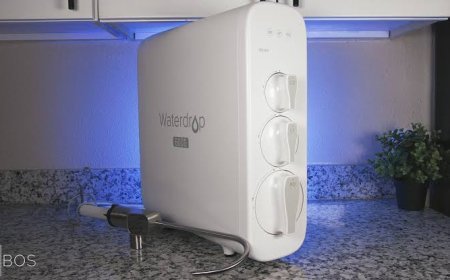
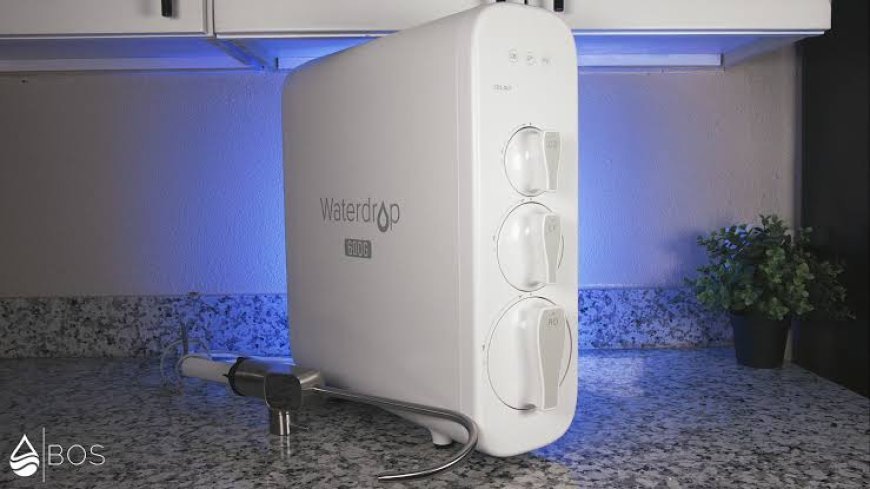
Is Waterdrop a Good Option for Home Water Filtration?
Waterdrop offers a range of water filtration products, including systems designed for different installation styles and household requirements. When evaluating its products, focus on the specific model rather than assuming every system provides the same filtration performance.
A Waterdrop Water Filter Review can help you organize the key points to investigate, including product design, filtration technology, installation requirements, maintenance, and customer experience.
Before choosing a Waterdrop system, consider these questions:
-
Which contaminants is the particular model designed to reduce?
-
Does the product have relevant independent certifications?
-
Is it suitable for your water source and water quality concerns?
-
How often must the filters be replaced?
-
Are replacement cartridges readily available?
-
Does the system fit your kitchen space and plumbing?
-
What are the total purchase and maintenance costs?
Compare the manufacturer's specifications with independent test results and other available options. This approach can help you determine whether the product is suitable for your household.
Common Mistakes to Avoid When Buying a Water Filter
Avoiding common purchasing mistakes can help you choose a more effective filtration system.
-
Buying without understanding water quality: Different contaminants require different treatment methods.
-
Assuming all filters remove everything: No single filter should be assumed to remove every possible contaminant.
-
Ignoring certifications: Verify the exact model's tested or certified performance claims.
-
Overlooking replacement costs: Filter cartridges are part of the long-term cost of ownership.
-
Neglecting maintenance: Incorrect installation or delayed replacement can affect performance.
-
Choosing only by price: Compare filtration performance, capacity, warranty, and maintenance needs.
-
Ignoring water pressure and installation: Some systems require particular plumbing conditions to operate correctly.
Taking time to evaluate these factors can help you avoid buying a product that does not meet your needs.
Final Thoughts
Choosing the best water filter for clean and fresh drinking water starts with understanding your water source, identifying the contaminants you want to reduce, and selecting a filtration system designed for those needs.
Faucet-mounted filters, countertop systems, under-sink units, reverse osmosis systems, and filter pitchers each offer different benefits. The right choice depends on your household size, budget, installation preferences, and required filtration performance.
Before purchasing, verify product certifications, review replacement filter costs, and understand the system's maintenance requirements. With the right filter and proper care, you can make filtered drinking water a convenient part of your everyday routine.
What's Your Reaction?
 Like
0
 Dislike
0
 Love
0
 Funny
0
 Angry
0
 Sad
0
 Wow
0