

























The Ultimate Guide to Choosing the Best Cast Iron Cookware for Your Kitchen
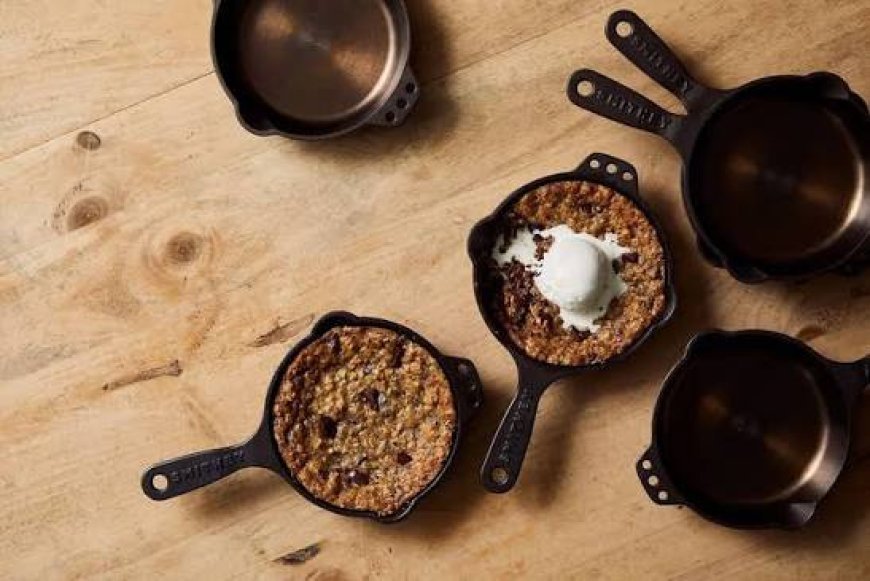
Cast iron cookware has been a trusted choice in kitchens for generations because of its durability, excellent heat retention, and versatility. From preparing crispy vegetables to searing steaks and baking homemade cornbread, cast iron pans can handle a wide variety of cooking tasks. With proper care, quality cast iron cookware can last for many years and become a reliable part of your kitchen.
However, choosing the right cast iron cookware requires understanding different styles, sizes, maintenance needs, and cooking benefits. This guide will help you select the best options for your kitchen and learn how to care for them properly.
Why Choose Cast Iron Cookware?
Cast iron cookware is popular among home cooks because it retains heat exceptionally well. Once heated, it maintains a consistent temperature, making it useful for recipes that require steady heat and a good sear.
Another major advantage is its durability. Unlike some cookware with delicate coatings, traditional cast iron can withstand years of regular use when maintained correctly. It is also suitable for various cooking techniques, including frying, roasting, baking, and sautéing.
Cast iron cookware can be a worthwhile investment for anyone who enjoys preparing homemade meals and wants dependable kitchen essentials.
1. Understand the Different Types of Cast Iron Cookware
Before purchasing cast iron cookware, consider the different types available and how they fit your cooking habits.
Traditional Cast Iron Skillets
Traditional cast iron skillets are among the most versatile options. They are ideal for frying eggs, searing meat, sautéing vegetables, and baking dishes such as cornbread.
Their heavy construction helps retain heat, making them particularly useful for recipes that benefit from consistent cooking temperatures. A skillet is an excellent starting point for anyone building a cast iron collection.
Enameled Cast Iron Cookware
Enameled cast iron features a protective coating that eliminates the need for traditional seasoning. It is often used for soups, stews, braised dishes, and slow-cooked meals.
The enamel surface can simplify cleaning and help prevent rust. However, it is important to avoid impacts and follow the manufacturer's instructions to protect the coating from chips or damage.
Cast Iron Dutch Ovens
Dutch ovens are deep, heavy pots designed for slow cooking, braising, baking, and preparing large meals. Their thick walls and fitted lids help retain heat and moisture throughout the cooking process.
They are particularly useful for homemade soups, hearty stews, pot roasts, and artisan-style bread.
2. Choose the Right Size for Your Kitchen
Selecting the right size is essential for comfortable cooking. A smaller skillet works well for individual portions, while a larger skillet is better suited to family meals and recipes that require additional cooking space.
Consider the number of people you regularly cook for and the size of your stovetop. A very large skillet may be difficult to handle or store in a compact kitchen, while a small pan may not provide enough room for larger meals.
If you are purchasing your first cast iron pan, a medium-sized skillet can be a practical choice for everyday cooking.
3. Look for Quality Construction and Design
Quality construction affects how cast iron cookware performs and how comfortable it is to use. Before buying a pan, examine its shape, handle design, weight, and overall finish.
A comfortable handle can make lifting and moving cookware easier, although cast iron remains heavy compared with many other materials. Some skillets include a helper handle to improve control when moving larger pans.
The cooking surface also matters. Traditional cast iron develops a seasoning layer over time, which helps protect the metal and improve food release when maintained properly.
Choose cookware that feels manageable and suits your cooking experience rather than selecting a pan based on appearance alone.
4. Consider Heat Retention and Cooking Performance
One of the biggest benefits of cast iron is its ability to retain heat. This makes it particularly effective for searing meat, browning vegetables, and preparing dishes that need consistent temperatures.
For the best results, preheat the pan gradually. Cast iron can take longer to heat than thinner cookware, but gradual heating helps distribute warmth more evenly.
Avoid heating an empty pan on extremely high heat for extended periods. Excessive temperatures can damage seasoning and cause food to stick. Using moderate heat and adjusting it as needed can help you achieve better cooking results.
Remember that cast iron is not always the fastest option for every recipe, but its heat retention makes it valuable for many cooking techniques.
5. Learn How to Season Cast Iron Cookware
Seasoning is an important part of maintaining traditional cast iron cookware. It involves applying a thin layer of cooking oil and heating the pan so the oil forms a protective coating on the surface.
A properly maintained seasoning layer helps protect the metal from moisture and rust while improving food release.
To maintain seasoning:
-
Clean the pan after use according to its care instructions.
-
Dry it thoroughly to prevent moisture from causing rust.
-
Apply a very thin layer of suitable cooking oil when needed.
-
Heat the pan as directed by the manufacturer's seasoning instructions.
-
Avoid leaving the cookware wet or storing it in a damp environment.
Regular cooking with suitable oils can also help maintain the seasoning over time. Enameled cast iron does not require the same seasoning process as traditional cast iron.
6. Understand Cleaning and Maintenance Requirements
Cast iron cookware is durable, but proper cleaning helps preserve its performance. For traditional seasoned cast iron, clean the pan after cooking and remove food residue using appropriate cleaning tools.
Dry it thoroughly before storage. If the surface looks dry or loses some of its seasoning, applying a thin layer of oil may help maintain protection.
For enameled cast iron, follow the manufacturer's cleaning recommendations and avoid abrasive tools that could damage the coating.
Never assume every cast iron product has identical care requirements. Checking the instructions for your specific cookware helps prevent unnecessary wear and keeps it in good condition.
7. Check Cooktop and Oven Compatibility
Not every cookware item is suitable for every cooking appliance. Before purchasing cast iron cookware, check whether it is compatible with your stovetop, including induction cooktops if applicable.
Many traditional cast iron pans work on gas, electric, and induction surfaces, but the cookware's shape and the manufacturer's guidance still matter.
Cast iron is also commonly used in ovens, making it useful for recipes that begin on the stovetop and finish in the oven. However, handles, lids, and any additional components may have different temperature limits.
Always verify the maximum oven-safe temperature and follow the product's safety instructions before use.
8. Compare Price, Durability, and Long-Term Value
Cast iron cookware is available at different price points, from simple everyday skillets to premium handcrafted pieces. The right choice depends on your budget, cooking habits, and expectations.
When comparing products, consider construction quality, surface finish, handle design, warranty coverage, and maintenance requirements. A higher price does not automatically guarantee that a pan is the best fit for your needs.
Smithey Ironware is a cookware brand known for its handcrafted cast iron and carbon steel cookware. Exploring different manufacturers and product designs can help you understand the available options and choose cookware that suits your kitchen.
Rather than buying a complete collection immediately, start with one or two versatile pieces and expand as your cooking needs develop.
9. Explore Versatile Cast Iron Recipes
Cast iron cookware can be used for a wide range of dishes, making it a practical addition to many kitchens.
Here are some ideas to try:
-
Seared steak: Use a well-preheated skillet to develop a flavorful browned crust.
-
Roasted vegetables: Cook vegetables with oil and seasonings for a delicious side dish.
-
Skillet cornbread: Bake cornbread for a golden exterior and tender center.
-
Pan-fried potatoes: Use moderate heat to help potatoes develop a crispy surface.
-
One-pan chicken: Brown chicken on the stovetop before finishing the dish in the oven, if the cookware is oven-safe.
Experimenting with different recipes can help you understand how cast iron responds to heat and which cooking techniques work best for you.
Conclusion
Choosing the best cast iron cookware involves considering the type, size, construction, heat retention, and maintenance requirements. Traditional skillets are versatile for everyday meals, while enameled cookware and Dutch ovens offer additional options for slow cooking, braising, and baking.
With gradual heating, appropriate cleaning, and proper seasoning where required, cast iron cookware can provide dependable performance for years. Start with pieces that match your cooking habits, follow the manufacturer's care instructions, and build a collection that makes everyday cooking easier and more enjoyable.
What's Your Reaction?
 Like
0
 Dislike
0
 Love
0
 Funny
0
 Angry
0
 Sad
0
 Wow
0