






















The Ultimate Guide to Choosing the Best Hot Tub Cover for Your Home
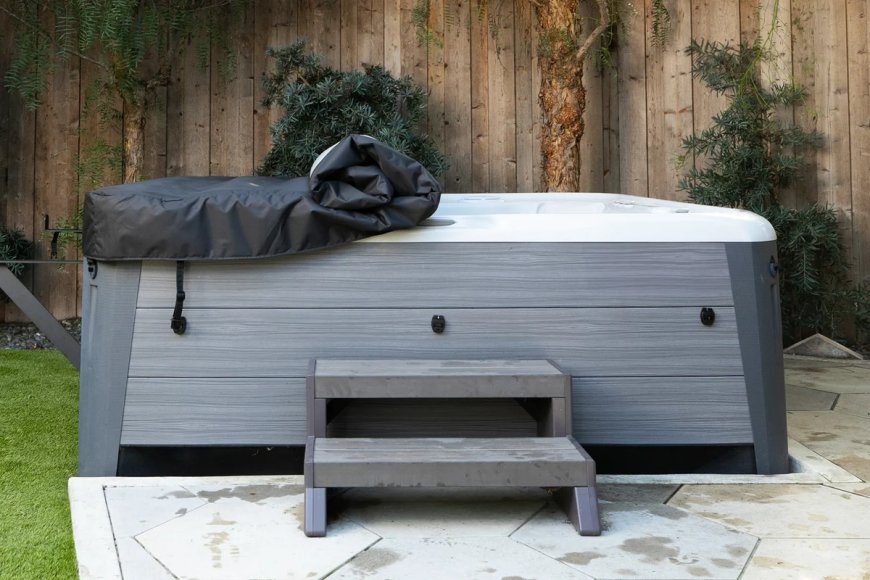
A hot tub is an excellent addition to any home, offering relaxation, comfort, and a perfect way to unwind after a busy day. However, maintaining your hot tub requires more than regular cleaning and water treatment. Choosing the right hot tub cover is equally important because it helps protect your spa from debris, supports heat retention, and keeps the water cleaner between uses.
With different materials, sizes, styles, and insulation options available, finding the best hot tub cover can feel overwhelming. Understanding the essential features will help you make an informed decision and select a cover that suits your hot tub, climate, and budget.
1. Understand the Importance of a Hot Tub Cover
A quality hot tub cover serves several important purposes. First, it helps prevent leaves, dust, insects, and other outdoor debris from entering the water. This can reduce cleaning requirements and help maintain a more enjoyable spa experience.
Second, an insulated cover can reduce heat loss when the hot tub is not in use. Maintaining water temperature may help limit the energy required to reheat the water, depending on the cover's condition, insulation quality, and surrounding weather.
A properly fitted cover also provides a barrier that helps limit evaporation and protects the hot tub from exposure to rain, snow, and sunlight.
For homeowners who use their hot tubs regularly, investing in a suitable cover can make routine maintenance more convenient.
2. Choose the Right Hot Tub Cover Size
One of the most important steps when purchasing a replacement cover is measuring your hot tub correctly. A cover that is too small may leave gaps around the edges, while an oversized cover may not fit securely.
Before ordering, measure the following:
-
Length and width: Measure the outside dimensions of the hot tub where the cover rests.
-
Corner radius: Determine whether the corners are square or rounded and measure the radius if necessary.
-
Skirt length: Check how far the cover's skirt should extend over the hot tub's edges.
-
Cover shape: Identify whether your hot tub is square, rectangular, round, or an unusual shape.
-
Center fold and hinge position: Confirm the appropriate folding direction and hinge placement for your spa.
Always follow the manufacturer's measuring instructions, as different cover designs may require different measurements.
Accurate measurements help ensure a snug fit, improve insulation performance, and reduce the likelihood of needing a replacement because of sizing errors.
3. Consider Insulation Quality
Insulation is a major factor when comparing hot tub covers. Most insulated covers use foam cores enclosed in a protective outer material. The thickness, density, and construction of the foam can affect the cover's weight, durability, and ability to reduce heat transfer.
A thicker cover is not automatically better in every situation. You should also consider foam density, vapor protection, construction quality, and how well the cover fits the hot tub.
If you live in a colder region, stronger insulation and a well-sealed fit may be especially valuable. In warmer climates, protection from sunlight, rain, and debris may be equally important.
Look for product specifications that clearly explain the insulation materials and construction rather than relying only on general marketing claims.
4. Select Durable Cover Materials
Hot tub covers are regularly exposed to moisture, sunlight, temperature changes, and outdoor conditions. Selecting durable materials can help extend their useful life.
Marine-Grade Vinyl
Marine-grade vinyl is commonly used for hot tub cover exteriors because it is designed for demanding environments. Quality vinyl can resist moisture and provide protection against everyday outdoor exposure.
However, its lifespan depends on the quality of the material, UV exposure, cleaning practices, and general maintenance.
Foam Insulation
The foam core provides insulation and contributes to the cover's structure. Some covers feature tapered foam designs that help rainwater drain away rather than collecting on the surface.
The appropriate foam construction depends on your hot tub's dimensions, local climate, and performance requirements.
Protective Inner Barriers
A vapor barrier helps reduce moisture penetration into the foam. When moisture enters the insulation, the cover may become heavier and lose some of its insulating effectiveness.
Check whether the cover includes a suitable vapor barrier and whether the manufacturer provides guidance on moisture protection.
5. Find a Cover Suitable for Your Climate
Your local weather conditions can influence which hot tub cover is most suitable.
Cold climates: Choose a cover with appropriate insulation, a secure fit, and construction designed for cold-weather use. These features can help reduce heat loss during winter.
Hot and sunny climates: UV-resistant exterior materials may help reduce fading, cracking, and surface deterioration caused by prolonged sunlight.
Rainy climates: A properly fitted cover with a suitable slope can help water drain away from the surface. Avoid designs that allow water to collect and place unnecessary weight on the cover.
Areas with heavy snowfall: Consider the manufacturer's snow-load guidance and the expected winter conditions. Avoid placing excessive weight on a cover that is not designed to support it.
Matching the cover to your climate can improve convenience and help protect your investment throughout the year.
6. Look for Safety Features
Safety should be a priority when choosing a hot tub cover, particularly in homes with children or pets.
Look for secure fastening straps and locking mechanisms designed for your particular hot tub. A properly secured cover can help prevent unauthorized access when the spa is not being used.
However, a standard hot tub cover should never be treated as a substitute for active supervision or a certified safety barrier where one is required. Follow applicable local safety requirements and the hot tub manufacturer's recommendations.
If your hot tub is located outdoors, check the condition of the straps, locks, and attachment points regularly. Replace damaged components promptly to maintain the cover's intended function.
7. Consider Weight and Ease of Use
A well-insulated cover can become difficult to lift, especially when it is large or has absorbed moisture. This is why weight and handling deserve attention when comparing different options.
A cover lifter can make opening and closing the hot tub more convenient. It can also help keep the cover off the ground and reduce unnecessary handling.
When comparing covers, consider their approximate weight, folding design, compatibility with available lifters, and the manufacturer's installation instructions.
If several people regularly use the hot tub, choose a setup that allows users to handle the cover safely and comfortably.
8. Compare Custom and Standard Hot Tub Covers
Hot tub covers are generally available in standard sizes and custom configurations.
Standard covers may suit common hot tub dimensions and can be a practical option when the measurements match your spa.
Custom covers can be useful for hot tubs with unusual dimensions, nonstandard corner shapes, or specific hinge requirements. They may offer a closer fit when standard sizes are unsuitable.
Before choosing a custom cover, confirm the required measurements, available material options, production timeline, shipping costs, and return or warranty conditions.
For homeowners exploring replacement options, reading a detailed The Cover Guy Review can provide additional context about product selection, ordering considerations, and customer experiences. Compare this information with the current product specifications before making your final decision.
9. Set a Realistic Budget
Hot tub cover prices vary according to size, insulation, materials, construction, and customization. The cheapest option may not provide the durability or fit you need, while a premium cover may include features that are unnecessary for your situation.
When setting your budget, consider the following:
-
Initial purchase price
-
Shipping and delivery costs
-
Custom sizing charges
-
Compatibility with a cover lifter
-
Warranty coverage and exclusions
-
Expected maintenance requirements
It is also worth considering the potential long-term benefits of a cover that fits properly and helps reduce heat loss.
Compare the overall value rather than choosing solely on price. Check current pricing and product availability directly with the seller because costs and options can change.
10. Maintain Your Hot Tub Cover Properly
Regular maintenance can help preserve your cover's appearance and performance.
Follow these practical tips:
-
Clean the exterior with products approved by the manufacturer.
-
Avoid harsh chemicals that could damage the vinyl or protective finish.
-
Inspect seams, hinges, straps, and locking components regularly.
-
Keep the cover properly secured when the hot tub is not in use.
-
Remove rainwater and other surface buildup according to the manufacturer's instructions.
-
Follow recommendations for snow removal and avoid excessive surface loads.
-
Check for signs of water absorption, sagging, cracking, or deteriorating insulation.
-
Keep sharp objects away from the cover to prevent punctures and tears.
Avoid sitting, standing, or placing heavy objects on the cover unless the manufacturer explicitly states that the design supports that use.
Consistent maintenance can help you identify problems early and determine when repairs or replacement may be necessary.
11. Know When to Replace Your Hot Tub Cover
Even a well-maintained hot tub cover will eventually wear out. Recognizing the warning signs can help you replace it before its performance declines significantly.
Common signs include:
Increased weight: A cover that becomes unusually heavy may have absorbed moisture into its insulation.
Visible cracks or tears: Damaged exterior material can allow water and moisture to enter the cover.
Poor fit: Gaps around the edges may reduce protection and contribute to heat loss.
Sagging or water pooling: A cover that no longer drains water effectively may have structural or insulation problems.
Rising heating demands: If your hot tub takes longer to maintain its temperature, inspect the cover along with other possible causes.
The appropriate replacement time depends on material quality, climate, maintenance, and frequency of use. Regular inspections can help you make a more informed decision.
Conclusion
Choosing the best hot tub cover for your home involves more than finding a product that fits. You should consider insulation quality, durable materials, accurate measurements, climate suitability, safety features, ease of use, and long-term value.
A properly fitted and maintained cover helps protect your hot tub from debris, reduces heat loss, and makes regular spa maintenance more convenient. By comparing product specifications and understanding your household's needs, you can select a cover that offers a practical balance of protection, durability, and affordability.
Before purchasing, verify the dimensions, review the warranty conditions, and make sure the cover is compatible with your specific hot tub model. Taking these steps will help you make a confident choice and enjoy your hot tub with greater peace of mind.
What's Your Reaction?
 Like
0
 Dislike
0
 Love
0
 Funny
0
 Angry
0
 Sad
0
 Wow
0