


























The Ultimate Guide to Choosing the Best Audio Player for Kids
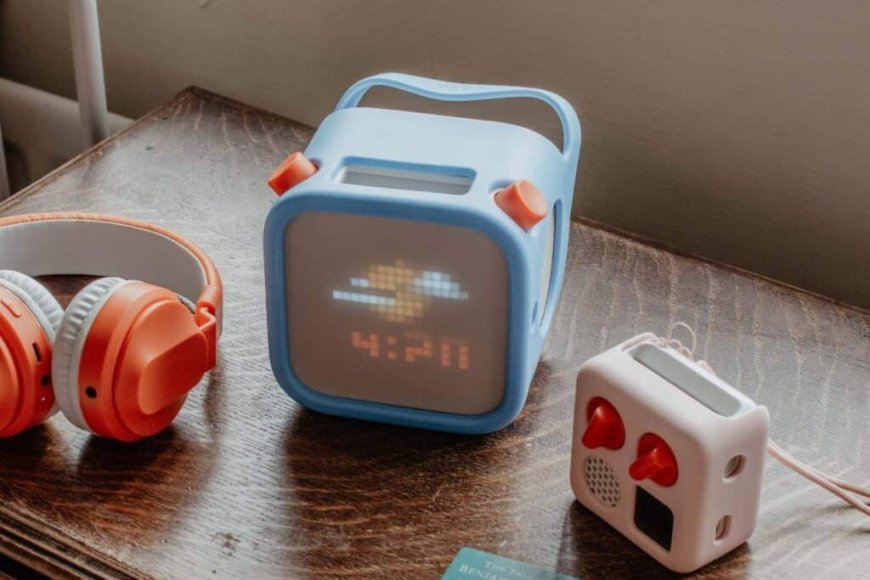
Finding the right audio player for children can make storytime, bedtime, and everyday learning more enjoyable. Audio players designed for kids offer an engaging way to explore stories, music, educational activities, and entertaining content without relying on a smartphone or tablet screen.
Whether you are shopping for a birthday gift, looking for screen-free entertainment, or creating a relaxing bedtime routine, choosing the right device requires careful consideration. Features such as age-appropriate content, simple controls, portability, sound quality, and parental settings can make a significant difference.
In this guide, we will explore what to look for in a children's audio player and how to choose an option that fits your family's needs.
Why Choose an Audio Player for Kids?
Audio players can encourage children to enjoy stories and music while giving their eyes a break from screens. Listening to stories can also support language development, imagination, and an interest in reading.
Unlike general-purpose devices, children's audio players are often designed with simple controls and content suited to younger listeners. Some models use physical audio cards, while others offer digital libraries or downloadable content.
These devices can be useful during quiet play, car journeys, family trips, and bedtime. The best choice depends on your child's age, interests, and listening habits.
1. Look for Age-Appropriate Content
Content is one of the most important factors when choosing an audio player. Younger children may enjoy nursery rhymes, simple stories, animal sounds, and familiar songs. Older children may prefer longer audiobooks, adventure stories, educational podcasts, and language-learning activities.
Before purchasing a device, explore its available content library. Check whether stories are appropriate for your child's age and whether the selection includes enough variety to maintain their interest.
It is also worth considering how easily you can add new content as your child grows. A device with a flexible library may remain useful for several years because children's interests change over time.
2. Choose a Simple and Child-Friendly Design
Children should be able to operate their audio player without constantly asking an adult for help. Look for straightforward controls, clearly identifiable buttons, and a design that is comfortable for small hands.
Some audio players use physical cards that children insert into the device to start listening. This approach can make choosing stories more interactive and help children develop independence.
A sturdy design is also valuable for everyday use. Consider the device's size, weight, grip, and resistance to ordinary wear. Simple operation and durable construction can make the listening experience more enjoyable for both children and parents.
3. Consider Screen-Free Entertainment
Many parents look for ways to balance screen time with other activities. A dedicated audio player can provide entertainment through stories, music, and learning content without requiring children to watch a video.
Screen-free listening can fit naturally into several daily routines. Children can listen while relaxing in their rooms, enjoying quiet play, or preparing for sleep.
When evaluating devices, consider whether the listening experience is genuinely easy to use without a smartphone. Some products require an app for setup or content management, so check what parental involvement is needed before making a purchase.
4. Check Sound Quality and Volume Controls
Clear sound helps children follow stories, understand words, and enjoy music. You do not necessarily need a premium audio system, but the device should deliver understandable audio without excessive distortion.
Adjustable volume is particularly important for younger listeners. Choose a player that makes it easy to control sound levels and establish appropriate listening habits.
If your child will use headphones, consider comfortable, child-sized options with suitable volume-limiting features. Supervise listening when necessary and encourage breaks during longer sessions.
5. Evaluate Battery Life and Portability
Battery life can affect how useful an audio player is during travel, outings, and everyday activities. A device that lasts through several listening sessions can reduce the need for frequent charging.
If your family travels regularly, consider a compact player that fits easily into a backpack or travel bag. Offline playback is another useful feature because it allows children to listen without a continuous internet connection once content has been downloaded.
For home use, a larger device may be preferable if it includes additional features for bedrooms or shared family spaces.
Compare charging methods, battery performance, and storage capacity before choosing a model.
6. Explore Parental Controls and Safety Features
Parents should understand how an audio player handles content, connectivity, and privacy. Look for clear parental settings that allow you to manage the listening experience according to your child's age and needs.
Useful features may include:
-
Access to age-appropriate stories and music.
-
Simple controls for adjusting volume.
-
Options for managing available content.
-
Offline listening for downloaded audio.
-
Clear information about microphones, cameras, and internet connectivity.
Check the manufacturer's privacy information before connecting a device to an account or home network. Features vary between products, so avoid assuming every children's audio player provides the same level of protection.
7. Think About Bedtime and Daily Routines
An audio player can become a helpful part of a child's daily routine. Bedtime stories, gentle music, and calming sounds may help create a peaceful environment before sleep.
Some devices include additional features such as night lights, sleep sounds, clocks, or wake-up settings. These extras can be useful for families who want one device to support several daily activities.
Consider your child's existing routine before paying for additional features. A simple player may be sufficient if your main goal is listening to stories, while a multifunctional model may offer more value for bedroom use.
8. Compare Cost and Content Options
The initial price is only one part of the total cost of owning a children's audio player. Some devices include free content, while additional stories, music, or physical cards may require separate purchases.
Before buying, check what comes in the box, which content is included, and how much additional material costs. You should also determine whether a subscription is required or optional.
A product with a lower initial price may become more expensive if the content library requires frequent purchases. Conversely, a more expensive device may provide better value if it includes useful features and content your child will enjoy for a long time.
Reading a detailed Yoto Review can also help parents understand a product's strengths, limitations, and everyday usability before deciding whether it meets their family's needs.
9. Choose the Right Audio Player for Your Child
The best audio player depends on how your child will use it. Consider these common situations when comparing available options.
For Younger Children
Choose a device with simple controls, durable construction, and familiar stories or songs. Caregiver supervision may be necessary, especially when children are very young.
For School-Age Children
Older children may appreciate a wider selection of audiobooks, educational content, music, and independent listening options. Flexible content libraries can help keep the device interesting as their preferences develop.
For Travel and Outings
A lightweight player with good battery life and offline playback is useful for car journeys, flights, and holidays. Check whether headphones are supported if your child needs to listen quietly.
For Bedtime
Consider devices with sleep sounds, bedtime stories, timers, or night-light features if these match your family's routine. Choose features that make the experience simpler rather than more complicated.
Conclusion
Choosing the best audio player for kids starts with understanding your child's age, interests, and daily routine. Focus on age-appropriate content, simple controls, sound quality, battery life, portability, and parental safety features.
It is also important to compare the total cost of the device and its content library. A well-chosen audio player can encourage children to enjoy stories, explore new ideas, and develop independent listening habits without depending on a screen.
By considering these factors before purchasing, you can find an audio player that offers enjoyable entertainment and practical value for your family.
What's Your Reaction?
 Like
0
 Dislike
0
 Love
0
 Funny
0
 Angry
0
 Sad
0
 Wow
0