

























The Ultimate Guide to Choosing Handmade Ceramic Dinnerware for Your Home
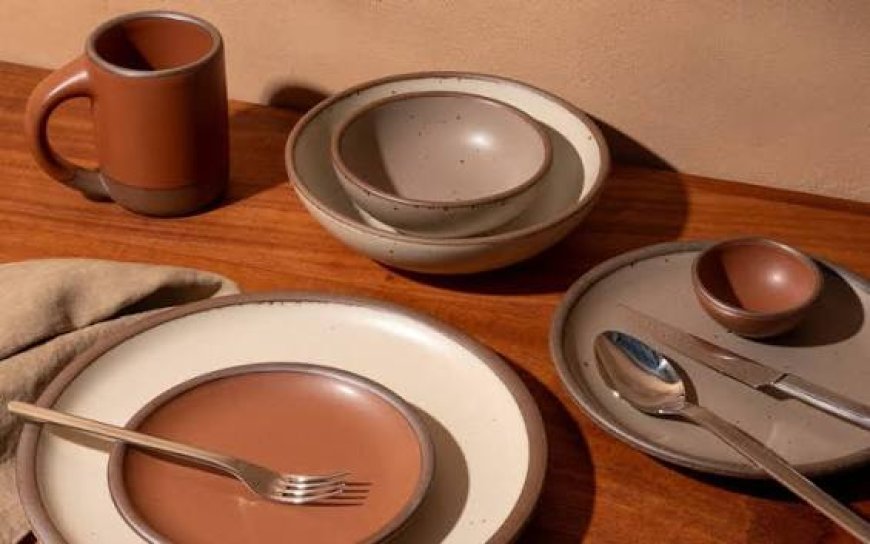
Choosing the right dinnerware can transform everyday meals into enjoyable dining experiences. From casual family breakfasts to elegant dinner parties, beautiful plates, bowls, and mugs can enhance your table setting while reflecting your personal style. Handmade ceramic dinnerware is particularly appealing because it combines artistic craftsmanship, practical functionality, and a distinctive appearance.
With so many colors, shapes, finishes, and materials available, selecting the perfect dinnerware can feel overwhelming. Understanding the benefits of handmade ceramics and knowing what to look for can help you make a confident decision.
In this guide, we will explore the essential factors to consider when choosing handmade ceramic dinnerware for your home.
Why Choose Handmade Ceramic Dinnerware?
Handmade ceramic dinnerware offers a unique combination of beauty and functionality. Unlike mass-produced tableware, handmade pieces may feature subtle variations in shape, glaze, color, and texture. These differences give each item an individual character and help create a more personal dining experience.
Ceramic dinnerware also complements a wide range of interior styles, including modern, rustic, minimalist, and traditional homes.
Here are some important benefits of choosing handmade ceramic pieces:
-
Unique designs: Natural variations can make each piece distinctive.
-
Timeless appeal: Ceramic tableware can suit changing home decor trends.
-
Versatility: Plates, bowls, and mugs can be used for everyday meals or special occasions.
-
Coordinated collections: Matching pieces help create a cohesive table setting.
-
Artistic craftsmanship: Handmade pottery often highlights the skill and creativity involved in its production.
When shopping for handmade dinnerware, consider both its appearance and how well it suits your daily routine.
1. Understand the Different Types of Ceramic Dinnerware
Before purchasing a dinnerware collection, it is helpful to understand the main types of ceramic materials. Each offers different characteristics in terms of appearance, durability, weight, and maintenance.
Stoneware
Stoneware is a popular option for everyday dinnerware because it is generally sturdy and has a substantial feel. It often features earthy colors, textured surfaces, and attractive glazed finishes.
Stoneware can work well for family meals, casual entertaining, and contemporary table settings. However, its durability and resistance to thermal shock depend on the specific product and manufacturing process.
Porcelain
Porcelain is typically known for its smooth finish, refined appearance, and relatively nonporous body when properly fired. It is often used for elegant dining settings and formal occasions.
Although porcelain can be durable, it may chip or break if dropped or handled carelessly.
Earthenware
Earthenware often has a softer, more rustic appearance. Its decorative possibilities make it appealing for handmade pottery and artistic tableware.
However, some earthenware products are more porous than other ceramic types and may require additional care. Always check whether the specific piece is suitable for food use and everyday dining.
Understanding these differences helps you select dinnerware that matches your preferred style and intended use.
2. Choose Colors That Complement Your Home
Color is one of the most important considerations when selecting handmade ceramic dinnerware. The right shades can complement your kitchen, dining room, table linens, and existing home decor.
Neutral colors such as cream, white, beige, and gray create a clean and versatile appearance. They can work well in minimalist interiors and make colorful food stand out.
Earthy shades such as brown, olive green, terracotta, and muted blue can create a relaxed, natural atmosphere. These colors are particularly suitable for rustic, organic, and contemporary dining spaces.
For a more expressive table setting, consider combining complementary shades rather than choosing a single color throughout your collection.
When selecting colors, keep the following tips in mind:
-
Match your dinnerware with your existing table linens and decor.
-
Choose versatile shades if you frequently change your dining room style.
-
Mix colors carefully to create visual interest without overwhelming the table.
-
Consider how glaze colors may look under different lighting conditions.
-
Remember that handmade glazes may vary slightly from piece to piece.
A thoughtful color palette can help create a beautiful table setting for everyday meals and special gatherings.
3. Consider the Size and Shape of Each Piece
Dinnerware should look attractive while remaining practical for your everyday needs. Plate sizes, bowl depths, and mug capacities can influence how comfortable your collection is to use.
Dinner plates are useful for main courses, while smaller plates are suitable for breakfast, desserts, and snacks. Deep bowls work well for soups, pasta, salads, and grain-based meals.
Mugs should feel comfortable to hold and provide enough capacity for your preferred beverages.
Think about the types of meals you prepare most frequently before purchasing a collection.
For example, households that regularly serve pasta, rice dishes, and soups may benefit from having several generously sized bowls. People who enjoy hosting dinner parties might prefer a combination of dinner plates, side plates, serving bowls, and platters.
It is also important to consider storage space. Larger and heavier ceramic pieces can require more room in kitchen cabinets.
4. Evaluate Quality and Craftsmanship
One of the main attractions of handmade ceramic dinnerware is its craftsmanship. However, handmade does not automatically mean that every product will have the same level of durability or quality.
When evaluating a ceramic collection, pay attention to the overall finish, construction, and intended use.
Look for smooth, stable bases that sit securely on flat surfaces. Check the glaze for cracks, sharp imperfections, or damage that could affect food safety or everyday use. Minor variations in color and shape may be normal for handmade products, but structural defects should not be overlooked.
You should also consider the weight and balance of each piece. Dinnerware that feels excessively heavy may be inconvenient for some users, while very delicate pieces may require more careful handling.
Before purchasing, review the manufacturer's information about materials, production methods, and quality standards.
These details can help you determine whether the dinnerware is appropriate for your household.
5. Check Food Safety and Everyday Durability
Beautiful dinnerware should also be suitable for serving food. Food safety is especially important when choosing handmade ceramics because glaze composition and firing conditions can affect the finished product.
Purchase dinnerware explicitly identified as food-safe by the manufacturer. Avoid using decorative pottery for food unless it is specifically intended and tested for that purpose.
It is also useful to check whether the collection is resistant to staining, scratching, and ordinary wear.
Although many ceramic pieces are designed for everyday use, performance varies depending on the clay body, glaze, and manufacturing process.
Consider these practical questions before buying:
-
Is the dinnerware intended for serving food?
-
Is the glaze suitable for food contact?
-
Can the pieces safely be used in a microwave?
-
Are they dishwasher-safe?
-
Can they tolerate sudden temperature changes?
-
Are there specific cleaning or storage instructions?
Never assume that all ceramic dinnerware is microwave-safe, dishwasher-safe, or suitable for oven use. Follow the manufacturer's instructions for each product.
6. Decide Between Individual Pieces and Complete Sets
Handmade ceramic dinnerware is often available as individual items or coordinated collections. The best option depends on your budget, household size, and preferred dining style.
Buying Individual Pieces
Purchasing individual pieces allows you to build a collection gradually. You can choose the exact number of plates, bowls, and mugs you need without paying for items you rarely use.
This approach is also useful if you want to mix different colors or replace specific pieces over time.
Buying a Complete Set
A complete dinnerware set offers a coordinated appearance and can simplify shopping. Sets may include dinner plates, smaller plates, bowls, and other matching items.
Before purchasing a set, check the number of pieces included and confirm that the quantities suit your household.
For people who regularly entertain guests, buying extra plates and bowls may be worthwhile. Smaller households may prefer a compact collection that takes up less storage space.
Compare the total cost of individual pieces with the price of a set to determine which option provides better value.
7. Explore Handmade Pottery Brands
When shopping for ceramic dinnerware, explore brands that emphasize craftsmanship, thoughtful design, and practical everyday use.
East Fork is one brand to consider if you appreciate handmade pottery and contemporary tableware. Its product collections can be explored by comparing available shapes, colors, finishes, and intended uses.
Before choosing any premium pottery brand, review the product specifications, current prices, shipping terms, and care instructions. It is also helpful to check customer feedback for information about appearance, usability, and long-term satisfaction.
When researching a brand, consider the following factors:
-
Range of plates, bowls, mugs, and serving pieces.
-
Variety of colors and glaze finishes.
-
Availability of individual items and coordinated collections.
-
Information about materials and manufacturing.
-
Food safety and care guidance.
-
Return policies and customer support.
Comparing these details can help you identify a collection that matches your personal preferences and practical requirements.
8. Balance Your Budget With Long-Term Value
Handmade ceramic dinnerware can cost more than mass-produced alternatives because of the labor, materials, and production methods involved.
However, the most expensive collection is not necessarily the best choice for every household. Your decision should depend on how often you use the dinnerware, the quality of its construction, and how well it meets your needs.
To evaluate value, compare the cost per piece, material quality, included items, shipping charges, and replacement availability.
If you are considering a premium pottery collection, reading an East Fork Review can be one way to gather additional information before making a purchasing decision.
It is also worth checking whether individual plates, bowls, and mugs can be purchased separately. Replacing a single damaged piece may be more convenient than buying an entirely new set.
A carefully selected collection that you enjoy using regularly can provide lasting value without exceeding your budget.
9. Create a Beautiful Table Setting
Handmade ceramic dinnerware can serve as the foundation of an attractive table setting. Its natural textures, subtle color variations, and distinctive shapes can add visual interest without requiring elaborate decorations.
For a simple everyday look, combine neutral plates with linen napkins and understated glassware. For a more rustic arrangement, pair earthy ceramics with wooden serving boards and natural fabrics.
You can also mix different plate sizes and bowl shapes to create a layered presentation.
Here are a few ideas for styling your dinnerware:
Minimalist dining: Use simple ceramic plates, neutral napkins, and clear glassware.
Rustic dining: Combine earthy ceramics with wooden accessories and natural textures.
Modern dining: Choose sculptural shapes, contrasting colors, and clean table linens.
Casual entertaining: Mix complementary ceramic colors and add shared serving dishes.
The goal is to create a table that feels inviting and practical rather than overly complicated.
10. Maintain Your Ceramic Dinnerware Properly
Proper care helps maintain the appearance and functionality of handmade ceramic dinnerware.
Always follow the manufacturer's cleaning instructions, as care requirements can differ between products. Some pieces may be dishwasher-safe, while others may benefit from gentle handwashing.
Avoid exposing ceramic dinnerware to sudden temperature changes unless the manufacturer confirms that it can tolerate them. Thermal shock can cause cracking or breakage.
When storing plates and bowls, stack them carefully to reduce the risk of chips and scratches. Use protective separators when appropriate, especially for delicate or textured pieces.
For everyday maintenance, remember to:
-
Clean pieces according to their care instructions.
-
Avoid abrasive cleaning materials when they may damage the glaze.
-
Inspect dinnerware for cracks or chips before use.
-
Store fragile items securely.
-
Follow specific instructions for microwave and oven use.
With appropriate care, quality ceramic dinnerware can remain a useful and attractive part of your home for years.
Common Mistakes to Avoid When Buying Handmade Ceramic Dinnerware
Even attractive dinnerware may not be the right choice if it does not meet your everyday needs. Avoid these common mistakes when shopping.
Ignoring dimensions: Always check plate diameters, bowl capacities, and product measurements before ordering.
Choosing appearance over practicality: Consider weight, comfort, cleaning requirements, and storage space as well as visual appeal.
Assuming all handmade ceramics are food-safe: Verify that the products are intended for food contact and follow the manufacturer's guidance.
Overlooking care instructions: Confirm dishwasher, microwave, and oven compatibility instead of making assumptions.
Buying too many pieces: Choose quantities that fit your household size and entertaining habits.
Failing to check replacement options: If you plan to build a long-term collection, check whether individual pieces are available separately.
Avoiding these mistakes can help you select dinnerware that combines beauty, convenience, and reliable everyday performance.
Conclusion
Choosing handmade ceramic dinnerware for your home involves balancing design, quality, functionality, and budget. From earthy stoneware to refined porcelain, different ceramic materials offer distinct benefits for everyday dining and special occasions.
Before purchasing, consider your preferred colors, the size and shape of each piece, food safety, care requirements, and the number of items your household needs. Comparing product specifications and customer feedback can also help you make a more informed choice.
Whether you prefer a minimalist collection or an expressive mix of handcrafted pieces, the right dinnerware can make everyday meals feel more personal and enjoyable. By focusing on craftsmanship and practical value, you can create a collection that complements your home and suits your lifestyle.
Frequently Asked Questions (FAQs)
1. What is handmade ceramic dinnerware?
Handmade ceramic dinnerware consists of plates, bowls, mugs, and serving pieces crafted using ceramic materials and hand-operated production techniques. Individual pieces may have subtle variations in shape, color, or finish.
2. Is stoneware good for everyday use?
Stoneware is often a practical choice for everyday dining because it can be sturdy and versatile. However, durability and care requirements vary by product, so always check the manufacturer's specifications.
3. Is handmade ceramic dinnerware food-safe?
It can be food-safe when manufactured with appropriate materials, glazes, and firing processes. Always choose products explicitly intended for food contact and follow the manufacturer's safety instructions.
4. Can handmade ceramic dinnerware go in the dishwasher?
Some handmade ceramic products are dishwasher-safe, while others require handwashing. Check the care instructions for each piece before placing it in a dishwasher.
5. How do I choose the right dinnerware set for my home?
Consider your household size, eating habits, storage space, preferred colors, and budget. Choose a collection with suitable plate sizes, bowl shapes, and enough pieces for your everyday needs.
6. Why can handmade ceramic dinnerware be more expensive?
Handmade pieces may involve additional labor, specialized craftsmanship, carefully selected materials, and smaller production runs. Compare construction, functionality, and long-term value before deciding whether a premium product suits your budget.
What's Your Reaction?
 Like
0
 Dislike
0
 Love
0
 Funny
0
 Angry
0
 Sad
0
 Wow
0