

















Can EECP for Coronary Artery Disease Prevention Improve Blood Flow Without Removing Arterial Plaque?
Can EECP improve circulation without removing plaque? Explore angina treatment options at CoCardio® in Encinitas. Request an EECP consultation today.
Can your heart receive better blood flow even when plaque remains inside your coronary arteries? This is an important question for people living with coronary artery disease (CAD), particularly those who continue experiencing chest discomfort despite medication and lifestyle changes. While some cardiovascular treatments directly address blocked arteries, others focus on improving circulation and managing symptoms without physically removing plaque. Understanding how Enhanced External Counterpulsation (EECP) works can help patients explore whether this noninvasive treatment may have a role in their cardiovascular care.
What Happens When Plaque Builds Up Inside the Coronary Arteries?
Coronary artery disease develops when cholesterol, inflammatory substances, and other materials accumulate within the walls of the coronary arteries. Over time, these deposits form plaques that can narrow the arteries and restrict oxygen-rich blood flow to the heart muscle. When the heart requires additional oxygen during physical activity or emotional stress, reduced circulation may contribute to chest discomfort known as angina. Severe plaque-related complications can also occur if a plaque ruptures and triggers a blood clot.
Why Reduced Blood Flow Can Cause Angina
The heart requires a continuous supply of oxygen-rich blood to function properly. When coronary arteries become narrowed, blood flow may be insufficient during activities that increase the heart's workload. Patients may experience chest pressure, tightness, shortness of breath, or unusual fatigue while walking or climbing stairs. These symptoms should be evaluated by a healthcare professional because similar discomfort can also occur with other cardiovascular conditions.
Can Blood Flow Improve Without Physically Removing Arterial Plaque?
Yes, certain treatments can improve cardiovascular function or reduce symptoms without physically removing plaque from the coronary arteries. Medications may reduce the heart's oxygen requirements, relax blood vessels, or help manage factors contributing to coronary artery disease. Some treatments also aim to influence circulation through mechanisms that do not involve surgery or direct plaque removal. However, improving symptoms does not necessarily mean that an existing arterial blockage has disappeared or that future cardiovascular risks have been eliminated.
Understanding Coronary Collateral Circulation
Coronary collateral vessels are small blood vessels that may provide alternative pathways for blood flow when major coronary arteries become narrowed. These vessels can sometimes help supply oxygen-rich blood to areas affected by reduced circulation. Researchers have investigated whether EECP may influence vascular function and processes associated with collateral circulation. Although these mechanisms are biologically plausible, the degree to which EECP produces lasting improvements in collateral blood flow remains uncertain and may vary between patients.
How Does EECP for Coronary Artery Disease Prevention Work?
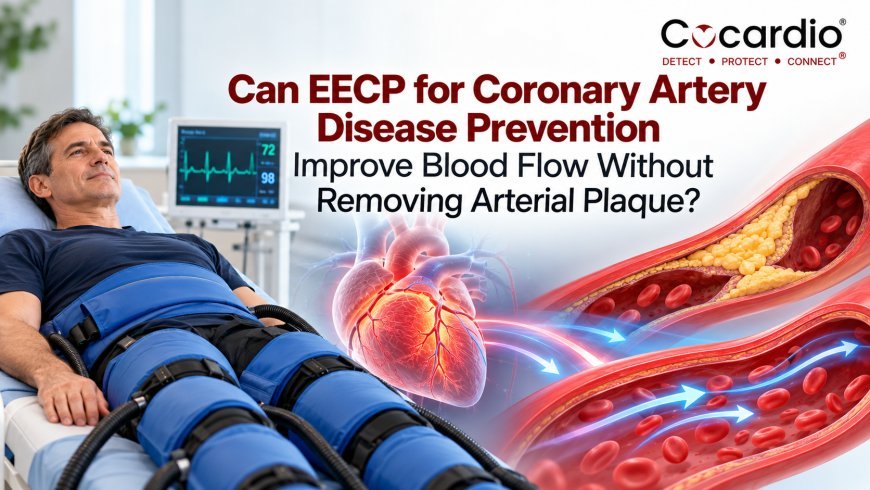
Patients researching eecp for coronary artery disease prevention often want to know whether circulation can improve without an invasive procedure. Enhanced External Counterpulsation uses inflatable cuffs around the lower body that inflate and deflate in coordination with the heartbeat. This timed compression is intended to increase blood flow during the heart's relaxation phase and reduce cardiac workload during the pumping phase. EECP may help relieve chronic stable angina in selected patients, but it has not been established as a treatment that prevents coronary artery disease or future heart attacks.
What Happens During an EECP Treatment Session?
During treatment, patients lie comfortably on a specialized table while inflatable cuffs are positioned around their calves, thighs, and buttocks. The cuffs are connected to equipment that coordinates inflation and deflation with the patient's heartbeat. Pressure is applied in a controlled sequence while healthcare professionals monitor treatment tolerance and relevant cardiovascular measurements. A typical treatment session lasts approximately one hour, although scheduling and clinical protocols may vary.
Does EECP Remove or Dissolve Arterial Plaque?
EECP does not mechanically remove plaque, dissolve cholesterol deposits, or reopen severely blocked coronary arteries in the same way as certain invasive procedures. Instead, its proposed benefits involve changes in circulation, vascular function, and the balance between the heart's oxygen supply and demand. Some patients with chronic stable angina experience improvements in symptoms or exercise tolerance following treatment. These benefits should not be interpreted as evidence that underlying coronary artery disease has been cured.
Can EECP Help Patients With Persistent Angina?
Patients with chronic stable angina may continue experiencing symptoms despite receiving prescribed medications and following recommended lifestyle changes. In selected circumstances, eecp therapy for angina may be considered as an additional approach to symptom management. Clinical studies suggest that some patients experience reduced angina frequency and improved exercise tolerance, although the strength and duration of these benefits vary. A cardiologist should determine whether EECP is appropriate based on the patient's diagnosis, symptoms, and previous treatment history.
What Improvements Might Patients Notice?
Some patients report being able to walk longer distances or complete everyday activities with less chest discomfort after treatment. Others may experience fewer angina episodes or improvements in perceived quality of life. However, not everyone responds to EECP, and the treatment does not guarantee increased blood flow or lasting symptom relief. Patients should establish realistic expectations and continue following their existing cardiovascular treatment plans.
Is EECP a Non Invasive Heart Treatment Alternative to Surgery?
EECP is a non invasive heart treatment that does not require surgical incisions, catheters, or implanted devices. This may make it an option worth discussing for selected patients who continue experiencing chronic stable angina despite guideline-directed medical therapy. However, EECP is not a direct replacement for angioplasty, coronary artery bypass grafting, or other procedures when those interventions are medically indicated. Treatment decisions depend on the severity of coronary disease, symptom burden, cardiovascular risk, and individual clinical circumstances.
How Does EECP Differ From Angioplasty and Bypass Surgery?
Angioplasty uses a catheter-based procedure to widen selected narrowed coronary arteries, often with the placement of a stent. Coronary artery bypass surgery creates alternative routes for blood to reach the heart muscle by using grafted blood vessels. EECP does not physically change the structure of an obstructed coronary artery or bypass a blockage through surgery. Its potential role is primarily related to managing symptoms in appropriately selected patients rather than correcting anatomical obstructions.
Can EECP Prevent Coronary Artery Disease From Getting Worse?
People exploring eecp for coronary artery disease prevention should understand the difference between symptom improvement and disease prevention. EECP may help certain patients manage chronic angina, but there is insufficient evidence that it reliably prevents plaque progression, heart attacks, or other major cardiovascular events. Established preventive strategies remain essential for reducing long-term cardiovascular risk. These include appropriate medications, cholesterol management, blood pressure control, smoking cessation, diabetes management, and healthy lifestyle practices.
Why Ongoing Cardiovascular Care Still Matters
Even when angina symptoms improve, coronary artery disease may still require continuous medical management. Patients should attend scheduled cardiology appointments, take prescribed medications, and follow individualized recommendations for physical activity and nutrition. Regular monitoring allows healthcare professionals to evaluate symptoms, cardiovascular risk factors, and treatment effectiveness. EECP should be considered a potential addition to comprehensive cardiovascular care rather than a substitute for established preventive strategies.
Who May Be a Suitable Candidate for EECP?
EECP is generally considered for selected patients with chronic stable angina who remain symptomatic despite appropriate medical therapy. It may be particularly relevant when revascularization procedures are unsuitable or have not adequately relieved symptoms. However, certain cardiovascular conditions, vascular disorders, and other medical concerns can make treatment inappropriate. A qualified healthcare professional must review the patient's diagnosis, medical history, and potential contraindications before recommending treatment.
What If Previous Heart Tests Appeared Normal?
Some individuals experience recurring chest discomfort even when initial cardiac tests do not identify significant abnormalities. Different diagnostic tests evaluate different aspects of cardiovascular function, and certain conditions may require additional investigation. Patients who want to understand these limitations can review the educational resource Can you have coronary artery disease despite normal heart test results and when to consider EECP treatment near me. Persistent symptoms should always be discussed with a cardiologist rather than assuming that normal test results exclude every cardiovascular concern.
What Should Patients Know Before Starting EECP Treatment?
Before beginning treatment, patients should understand the recommended schedule, potential benefits, limitations, and possible side effects. A commonly used EECP protocol involves approximately 35 one-hour sessions delivered over several weeks. Patients should also ask whether their existing medical conditions or medications could affect treatment suitability. A detailed consultation can help clarify whether EECP is an appropriate option for their specific circumstances.
Questions to Ask During Your Initial Consultation
Preparing questions before an appointment can help patients make informed decisions about cardiovascular treatment. It is important to understand both the medical considerations and the practical requirements associated with EECP. Patients may also want to discuss treatment monitoring, costs, and coordination with their cardiologist. Useful questions include:
-
Is my coronary artery disease diagnosis appropriate for EECP consideration?
-
Can EECP help manage my current angina symptoms?
-
What benefits and limitations should I realistically expect?
-
Are there medical conditions that could make EECP unsafe for me?
-
How many treatment sessions might be recommended?
-
What are the estimated treatment costs and available payment options?
Where Can You Find EECP Treatment in Encinitas?
Patients searching for eecp treatment near me can contact CoCardio® in Encinitas to request information about Enhanced External Counterpulsation. The clinic provides an opportunity to inquire about treatment availability, consultation procedures, and the steps involved in evaluating eligibility. Individuals with persistent chronic angina should discuss their symptoms and existing cardiovascular treatment plans with a qualified healthcare professional. Understanding the consultation process can help patients decide whether further assessment is appropriate.
Understanding ECP and EECP Terminology
Patients researching cardiovascular treatment options may encounter the terms External Counterpulsation and Enhanced External Counterpulsation. The abbreviation ecp therapy is sometimes used when discussing external counterpulsation procedures. EECP generally refers to enhanced external counterpulsation systems that deliver timed lower-body compression synchronized with the cardiac cycle. Understanding these terms can make conversations with treatment providers clearer and more productive.
Why Contact CoCardio® About EECP Therapy?
If you are searching for EECP therapy near me, understanding your treatment options begins with asking the right questions. CoCardio® is located in Encinitas, California, and provides information about EECP treatment inquiries and appointment availability. Patients can contact the clinic to learn about consultation requirements, treatment scheduling, and the information needed for an eligibility assessment. Making an inquiry does not guarantee treatment suitability, but it can help you identify the next steps toward an informed discussion.
Request Information About EECP Treatment in Encinitas
Are you continuing to experience angina symptoms despite following your prescribed cardiovascular treatment plan? You may benefit from learning whether an additional symptom-management approach is appropriate for your condition. CoCardio® welcomes inquiries from individuals interested in understanding EECP treatment and the consultation process. Complete the online form to request information about available appointments, treatment expectations, and eligibility assessments.
Contact CoCardio®
Location: 162 S Rancho Santa Fe Rd, Ste B55, Encinitas, CA 92024
Phone: +1(858) 500-1399
Request an EECP Consultation: Complete the CoCardio® Online Inquiry Form
Conclusion
Enhanced External Counterpulsation may help certain patients with chronic stable angina experience symptom relief without physically removing arterial plaque. However, improved symptoms do not necessarily indicate that coronary blockages have been reduced or that the underlying disease has stopped progressing. Patients researching eecp for coronary artery disease prevention should understand that EECP is primarily a symptom-management option rather than a proven method of preventing coronary artery disease or cardiovascular events. To learn more about treatment availability and eligibility assessments, contact CoCardio® in Encinitas at +1(858) 500-1399 or submit an inquiry through the website.
Medical Disclaimer
This article is intended for general educational and informational purposes only and does not constitute medical advice, diagnosis, or treatment recommendations. EECP is not suitable for every patient, and treatment eligibility must be determined by a qualified healthcare professional after reviewing medical history, cardiovascular symptoms, and relevant diagnostic findings. Do not discontinue prescribed medications, delay recommended cardiac evaluations, or substitute EECP for established cardiovascular treatments without consulting your healthcare provider. If you experience new, severe, persistent, or worsening chest pain, sudden shortness of breath, fainting, or symptoms suggestive of a heart attack, call 911 or seek immediate emergency medical attention.
What's Your Reaction?
 Like
0
 Dislike
0
 Love
0
 Funny
0
 Angry
0
 Sad
0
 Wow
0