


























Essential Considerations for Electrical Commissioning Projects

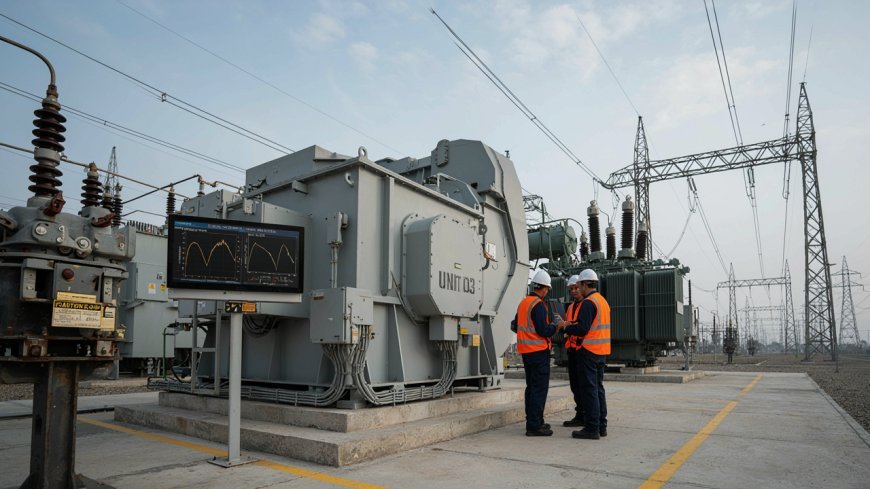
Electrical commissioning is one of the most important stages in bringing a power system from construction into reliable operation. Whether the project involves a substation, renewable energy facility, industrial plant, transmission system, or large electrical load, commissioning verifies that equipment and systems have been installed correctly and perform as intended.
A successful commissioning program goes beyond checking whether equipment turns on. It involves systematic inspection, testing, protection verification, controls validation, communications checks, documentation, and coordination with utilities or grid operators. NERC guidance for inverter-based resource projects, for example, emphasizes approved test plans, stakeholder coordination, safety procedures, equipment readiness, and verification of protection and SCADA functions before and during commissioning.
1. Start With Detailed Commissioning Planning
Good commissioning begins long before equipment is energized. A project team should develop a detailed commissioning plan that defines responsibilities, testing procedures, acceptance criteria, schedules, documentation requirements, and communication protocols.
The plan should reflect the project's electrical design and the requirements of the utility, owner, EPC contractor, protection team, and other stakeholders. Testing sequences should also be coordinated with construction completion and energization activities.
For projects involving a point of interconnection, early planning is particularly important. Point of interconnection engineering helps establish how the facility connects to the utility system and how protection, metering, controls, communications, and operational requirements will be addressed.
A well-developed plan can reduce commissioning delays by identifying missing information, incomplete construction work, testing dependencies, and utility requirements before the field team reaches the energization stage.
2. Verify Equipment Installation and Electrical Systems
Before functional testing begins, every major component should be inspected against approved drawings, specifications, and manufacturer requirements. This may include transformers, switchgear, circuit breakers, disconnect switches, instrument transformers, cables, grounding systems, protection panels, batteries, auxiliary systems, and control equipment.
Installation verification should confirm correct equipment ratings, wiring, labeling, torque, grounding, phase identification, and physical condition. Cable terminations and control wiring deserve particular attention because seemingly minor wiring errors can prevent otherwise functional equipment from operating correctly.
Electrical acceptance testing provides another layer of verification. Depending on the project, testing may include insulation resistance, transformer testing, breaker testing, relay testing, grounding-system verification, cable testing, and functional checks.
The objective is to establish confidence that the installed system matches the approved design before energization.
3. Focus on Protection, Controls, and Communications
Protection and control systems are central to commissioning because they determine how equipment responds to abnormal conditions and operating commands.
Protective relays should be tested using approved settings and appropriate test procedures. Trip and close circuits should be verified from the relevant local and remote control points. Interlocks, alarms, permissive signals, and breaker status indications should also be checked.
SCADA and communications testing is equally important. Commissioning teams should verify that critical measurements, alarms, control commands, and status indications are correctly transmitted between the facility and the control center.
For modern renewable and inverter-based projects, commissioning may also involve plant controllers, reactive power controls, active power controls, energy management systems, and other digital interfaces. NERC commissioning guidance specifically identifies testing of protection schemes, SCADA communications, telemetry, disturbance monitoring, and plant-level controls as important commissioning activities.
4. Coordinate the Parcel-to-POI Electrical Scope
Large projects often involve extensive electrical infrastructure between the generating facility or load and the utility interconnection location. This makes the parcel to point of interconnection scope an important part of commissioning preparation.
The electrical path may include collector systems, medium-voltage feeders, transformers, overhead or underground transmission lines, substations, switching equipment, protection systems, and metering facilities. Every section needs to be considered as part of the overall energization sequence.
The POI engineering process should connect design assumptions with field commissioning requirements. Engineers need to understand the approved interconnection design, utility protection requirements, equipment ratings, operating procedures, and applicable study results.
This coordination becomes especially important when multiple contractors are responsible for different portions of the system. Clear ownership of testing activities helps prevent gaps between equipment packages and ensures that the complete electrical path is evaluated rather than treating each component as an isolated system.
5. Make Safety and Energization Procedures a Priority
Electrical commissioning involves significant hazards because testing often occurs while equipment is being energized, isolated, switched, or placed into service.
A formal safety process should therefore be integrated into the commissioning plan. Lockout/tagout procedures, permits, switching instructions, arc-flash requirements, grounding practices, access controls, and communication protocols should be established before field testing begins.
Energization should follow an approved sequence rather than being treated as a simple final construction activity. NERC materials describe energization as a crucial stage involving transmission lines, transformers, protection systems, reactive-control equipment, and auxiliary systems, with testing and communications verification performed according to documented procedures.
The commissioning team should also confirm that construction deficiencies have been resolved before energization. A controlled approach helps reduce the possibility of equipment damage, incorrect switching, unexpected protection operation, or unsafe working conditions.
6. Document Results and Establish the Operational Baseline
Commissioning is not complete when equipment passes a field test. Test results should be properly recorded, reviewed, and incorporated into the project's final documentation.
Commissioning records can include relay test reports, transformer test results, breaker test reports, cable test results, grounding measurements, SCADA point-to-point records, functional test sheets, equipment checklists, as-built drawings, and final settings files.
This documentation creates a baseline for future maintenance and troubleshooting. Acceptance-test information can help asset owners compare future equipment performance with its original commissioned condition. Industry guidance and current testing practices increasingly emphasize the value of documented baseline data for long-term equipment management.
For grid-connected facilities, final commissioning documentation may also need to support utility, ISO/RTO, or other stakeholder requirements. NERC guidance notes that commissioning tests should demonstrate performance consistent with applicable interconnection agreements and operational requirements.
Conclusion
Electrical commissioning is a coordinated engineering process that connects design, construction, testing, safety, protection, controls, communications, and grid operations. Treating commissioning as an early project activity—not simply the final step before startup—can make the transition from construction to operation more organized and predictable.
From detailed equipment verification to protection testing and point of interconnection engineering, every stage contributes to the reliability of the finished system. Careful management of the parcel to point of interconnection scope and a structured POI engineering process can further improve coordination between project teams and utility stakeholders.
For complex power projects, experienced engineering support can help owners and developers develop commissioning strategies that align field testing with system requirements, interconnection obligations, and long-term operational objectives.
What's Your Reaction?
 Like
0
Like
0
 Dislike
0
Dislike
0
 Love
0
Love
0
 Funny
0
Funny
0
 Angry
0
Angry
0
 Sad
0
Sad
0
 Wow
0
Wow
0