












How Is Traditional Moroccan Clothing for Men Presented During Eid Festivities?
We are offering stylish and comfortable Arabic thobes for modern Muslim men. It provides premium-quality thobes that combine traditional elegance with a modern look.
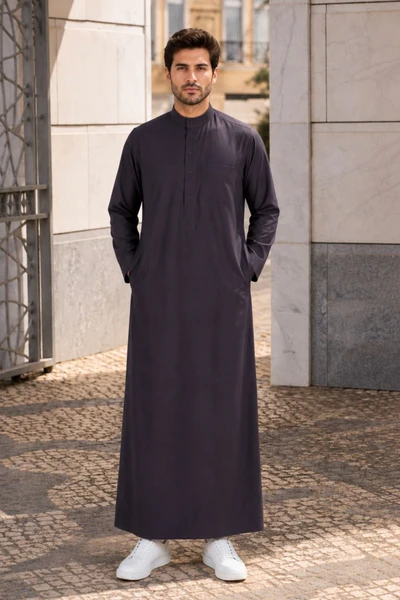
Eid morning is full of joy, but choosing what to wear can feel stressful. Many men in the United States are not sure which pieces to pick, how to put them together, or where to buy them. A wrong choice can feel awkward at a family gathering or at prayer. The good news is that traditional moroccan clothing men wear on Eid follows simple, clear ideas. In this article, you will learn the main pieces, colors, and easy steps to look neat and feel proud.

Why Do Men Struggle to Pick an Eid Outfit?
Many men want an outfit that feels special but does not look too loud. Eid is a happy day, so everyone hopes to look clean and respectful. The trouble starts when there are too many choices and little guidance. Some shops show only plain robes, while others sell very fancy sets that cost a lot. Men in the United States may also worry about finding the right size and cloth. Knowing the basic pieces and a few simple rules makes the choice calm and easy.
What Makes Moroccan Eid Dress So Special?
Moroccan Eid dress is known for its soft shapes, rich stitching, and calm colors. Families often keep these clothes for important days, so the outfit feels meaningful. Traditional moroccan clothing men choose for Eid usually covers the body well, which fits the idea of modesty. The cloth is light enough to move in, yet neat enough for photos and visits. Many pieces have hand-style embroidery near the neck and front, which adds beauty without making the outfit too heavy or bright.
Which Pieces Are Part of a Full Eid Outfit?
A full Eid outfit is built from a few simple parts. Each piece has a clear job, so you can pick only what you need. Here are the main items:
-
Thobe or Djellaba: Main traditional garment.
-
Kufi Cap: Traditional prayer cap.
-
Bisht: Formal outer cloak.
-
Scarf: Traditional head covering.
How Do Moroccan Thobes Differ From Other Robes?
Moroccan thobes are often softer and more decorated than plain daily robes. Many have a small stitched trim at the neck, a short front opening, and tidy button details. The cut is loose, so it is easy to sit, bend, and pray. Some styles are plain for daily use, while others have gentle patterns for festivals. When you shop, check the neckline and stitching first. Clean, even work shows good making. Moroccan thobes can be worn alone in warm weather or under a lighter outer layer for a fuller look.
Is the Djellaba the Star of the Eid Look?
For many families, the djellaba is the most loved piece on Eid. It is long, roomy, and easy to wear over regular clothes. The hood gives it a classic shape, though many men leave it down at gatherings. Light wool and cotton blends are common, and soft shades like cream, sand, and grey are popular. Because it is loose, it suits many body types. Choose one that falls near the ankle, and make sure the sleeves are wide enough to move your arms freely.
Which Colors Look Best for Eid Morning?
Color changes the mood of the whole outfit. White and cream feel fresh and clean for morning prayer. Sand, beige, and light grey look calm and work well in photos. Deep blue, green, and brown are common for family dinners and evening visits. Very bright shades are less common for men, so quiet tones are safer. If you are unsure, pick one main color and keep trim in a matching shade. This keeps the outfit neat and easy to match with a cap and slippers.
What Do Different Pieces Suit Best?
Matching the right piece to the right moment solves most outfit problems. The table below shows which item fits which Eid activity, so you can plan without stress. Use it as a quick guide before you shop or pack. You can also mix two pieces, such as a gandoura under a djellaba, when the weather is cool. Pick the row that fits your plan and check the cloth and size before you buy.
|
Piece |
Best For |
Weather |
Care Level |
|
Gandoura |
Morning prayer, home |
Warm |
Easy |
|
Djellaba |
Family visits, dinner |
Cool |
Medium |
|
Kaftan |
Large gatherings |
Mild |
Medium |
|
Moroccan thobes |
Prayer and visits |
Warm to mild |
Easy |
|
Chechia and babouche |
Finishing touch |
Any |
Easy |
How Should You Choose Cloth for Warm or Cool Eid Days?
Eid dates move through the year, so the weather can be hot or cold. For warm days, pick thin cotton or linen blends that let air pass through. For cool days, choose soft wool blends or thicker cotton. In many parts of the United States, mornings are chilly and afternoons are warm, so a light layer is useful. Always check that the cloth is thick enough to avoid showing through. Read the care tag too, because some fabrics need gentle washing to stay in shape.
Can You Wear a Moroccan Outfit Without Feeling Out of Place?
Many men in the United States worry about standing out at work, school, or the mosque. The answer is to keep the outfit neat and simple. Traditional moroccan clothing men wear is modest and clean, so it fits most Eid events. Choose calm colors, avoid loud patterns, and make sure the hem is not dragging. Wearing it with confidence matters most. At large gatherings, you will often see many styles, so no one outfit looks strange. A pressed, tidy robe always looks respectful.
What Small Details Complete the Look?
Small details make the outfit look finished. A chechia sits neatly on the head and adds a distinct Moroccan touch to traditional moroccan thobes. Babouche slippers are comfortable and easy to remove at the mosque door. Pick a pair in cream, yellow, or brown to match the robe. Keep trim and stitching simple, since too many patterns look busy. Make sure the neckline is clean and the buttons are in place. Before you leave, check the mirror for wrinkles, loose threads, and dust on the hem.

Which Mistakes Should You Avoid Before Eid?
A few common errors can spoil the outfit. Most are easy to fix when you plan early. Watch for these problems:
-
Buying at the last minute: sizes sell out and tailors get busy.
-
Choosing thin cloth: it may show through in sunlight.
-
Skipping a try-on: sleeves or length may feel wrong.
-
Forgetting care: wrinkles and stains show up in photos.
-
Picking too many patterns: a calm look is easier to match.
How Do You Care for Delicate Embroidery and Trim?
Stitched trim is the pretty part of the robe, so it needs gentle care. Turn the robe inside out before washing and use cool water with mild soap. Hand washing is safest for thick embroidery. Do not twist or wring the cloth, because this can pull the threads. Dry it flat or on a wide hanger in the shade. Iron on low heat with a thin cloth over the trim. Good care keeps the shape sharp, so the same outfit can look fresh for many Eids.
Where Can Men in the United States Find Authentic Pieces?
Finding real, well-made pieces can feel hard, but there are clear options. Try local Islamic clothing shops, cultural markets, and trusted online stores that show clear photos and size charts. Read reviews and check the return rules before you pay. Ask about the cloth type and where the piece was made. Order at least three weeks before Eid so shipping and fixes do not cause stress. If a seller will not answer simple questions, choose another one.
How Can You Plan an Eid Outfit Without Overspending?
A good plan saves money and worry. First, set a budget before you shop. Next, pick one main piece, such as a djellaba or gandoura, and add small items only if needed. Buy a neutral color, because you can wear it again at other events. Look for strong stitching rather than extra decoration. Compare two or three shops before you decide. A mid-priced robe with good cloth often lasts longer than a cheap one, so you spend less over time.
Final Thoughts
Looking neat on Eid is easier when you follow a few steps. Start early, pick a calm color, and choose cloth that suits the weather. Learn the main pieces, from the gandoura to the djellaba, and match them to your plans. Traditional moroccan clothing men choose for Eid is modest, rich in detail, and simple to wear well. Check the fit, care for the stitching, and add small finishing touches. With this plan, you can enjoy the day with confidence.
Frequently Asked Questions
What distinguishes Moroccan thobes from other traditional Arab garments?
Moroccan thobes often feature distinctive embroidery, loose cuts, decorative necklines, and regional details that distinguish them from Gulf garments.
Which occasions are suitable for wearing Moroccan thobes?
Moroccan thobes are suitable for Eid celebrations, weddings, religious gatherings, family occasions, and formal events.
What garments are included in traditional Moroccan clothing men?
Traditional Moroccan clothing for men includes djellabas, gandouras, jabador outfits, traditional cloaks, and other long garments.
How do Moroccan thobes differ from djellabas and gandouras?
Moroccan thobes are long robes, djellabas commonly have hoods, while gandouras are often lighter garments with short or no sleeves.
What should shoppers check before ordering traditional Moroccan clothing men online?
Shoppers should review garment measurements, material descriptions, stitching, neckline details, product photographs, and return policies before placing an order.
What's Your Reaction?
 Like
0
 Dislike
0
 Love
0
 Funny
0
 Angry
0
 Sad
0
 Wow
0