





















How Heavy Rain Can Affect Commercial Properties in Port Melbourne
Heavy rain can create significant challenges for commercial properties, particularly when roofs, drainage systems and external structures cannot manage large volumes of water. In Port Melbourne, warehouses, offices, retail spaces and industrial buildings may experience water entering through roof leaks, damaged gutters, loading areas or poorly sealed openings. If water spreads through floors, walls and stored materials, businesses may need professional flood damage restoration Port Melbourne services to assess the affected areas and manage the recovery process.
Roof Leaks and Water Entering Commercial Buildings
Commercial roofs cover large areas and may contain joints, drainage outlets, skylights and other points where water can enter. During prolonged or heavy rainfall, blocked gutters and damaged roof coverings can allow water to collect and seep inside.
Even a small leak can affect ceiling panels, insulation, electrical areas and internal walls. In warehouses, water entering through the roof may also reach stored stock, packaging materials and equipment. Regular roof inspections and clearing roof drainage systems can help identify potential problems before the next storm.
Drainage Problems Around Commercial Properties
Heavy rainfall can overwhelm external drainage systems, particularly when stormwater outlets are blocked by leaves, dirt or other debris. Water may collect around entrances, loading docks, car parks and lower sections of commercial buildings.
If water reaches doorways or gaps around external walls, it can enter storage rooms, offices and work areas. Businesses should pay attention to areas where water regularly pools and arrange maintenance when drainage problems become apparent.
Damage to Stock, Equipment and Business Assets
Water damage does not only affect the building itself. Stock, furniture, computers, machinery, documents and electrical equipment may also be exposed when rainwater enters commercial premises.
For businesses that store products at ground level, even a relatively small amount of water can affect inventory and packaging. Water exposure may also disrupt daily operations if equipment or important work areas become unusable.
Keeping valuable items raised off the floor, where practical, and storing important documents in protected locations can reduce the risk of avoidable damage.
Why Hidden Moisture Should Not Be Overlooked
After rainwater has been removed, moisture may remain inside wall cavities, flooring, insulation and other building materials. These areas are not always visibly wet, making it difficult to judge whether a commercial property has dried completely.
Trapped moisture can contribute to material deterioration and create conditions that support mould growth. A professional moisture assessment can help identify affected areas and determine whether further drying is required.
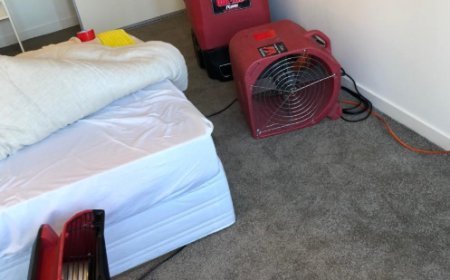
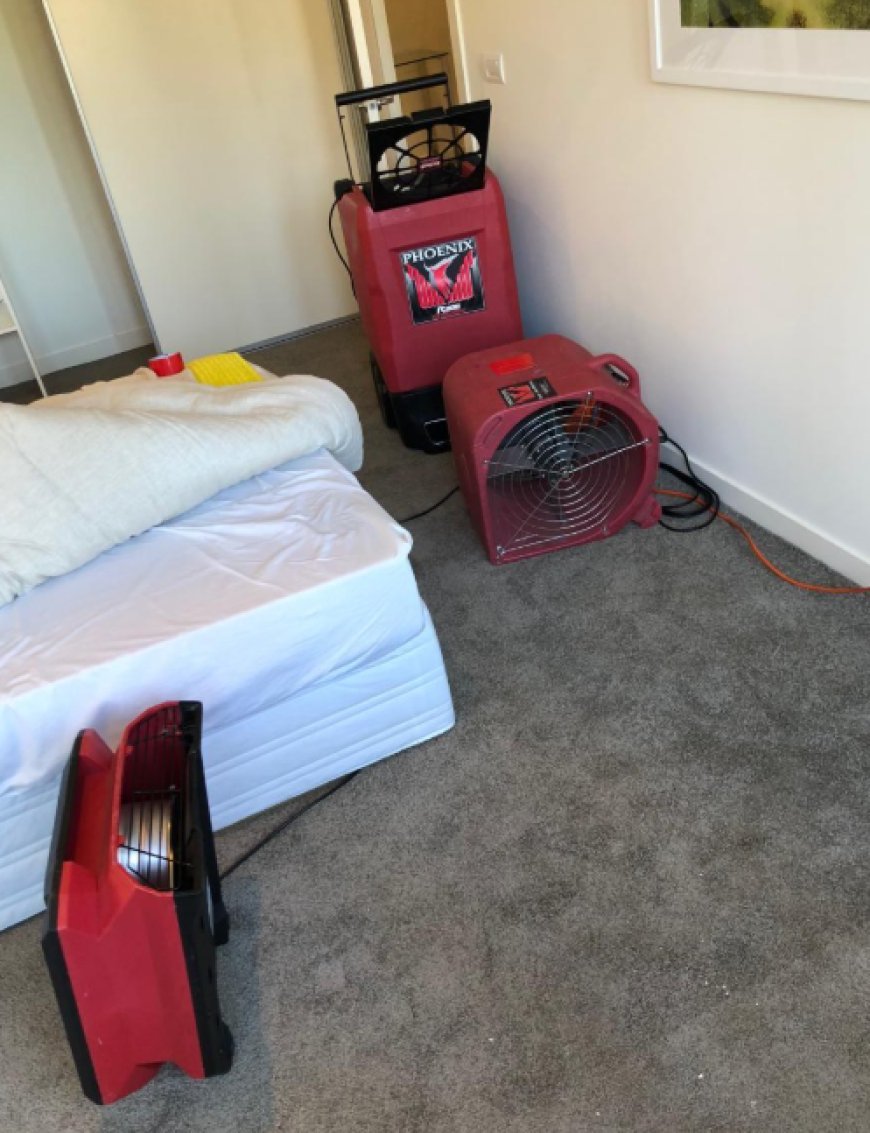
Structural drying may involve suitable air movers, dehumidifiers and moisture-monitoring equipment, depending on the building materials and extent of the damage.
Steps Businesses Can Take Before Heavy Rain
Commercial property owners and managers can take practical precautions to reduce the likelihood of rain-related water damage.
-
Inspect roofs, gutters and downpipes for visible damage or blockages.
-
Check that external drains and stormwater outlets are clear.
-
Look for gaps around windows, doors and loading bay entrances.
-
Keep stock and sensitive equipment away from areas prone to water entry.
-
Review where important documents and electrical equipment are stored.
-
Arrange repairs when leaks, damaged seals or drainage issues are identified.
These checks can help businesses identify vulnerabilities and prepare their premises for periods of heavy rainfall.
Managing Water Damage After a Storm
If rainwater enters a commercial property, the first priority is to keep people away from unsafe areas. Avoid entering spaces with standing water near electrical equipment, and arrange an appropriate inspection before using affected areas.
Once the property is safe to access, the source of water entry should be identified and addressed. Excess water may need to be extracted, followed by an assessment of affected building materials. Depending on the damage, professional restoration may include water extraction, structural drying and moisture monitoring.
Flood Restoration Melbourne provides water damage restoration support for residential and commercial properties. For businesses dealing with storm-related water intrusion, professional flood damage restoration Port Melbourne can help assess the damage, remove excess water and support the drying process. Acting promptly can help limit further deterioration and assist businesses in getting their premises back into use.
What's Your Reaction?
 Like
0
 Dislike
0
 Love
0
 Funny
0
 Angry
0
 Sad
0
 Wow
0