






















Shower Seats and Handheld Showerheads: Low-Cost Bathroom Upgrades

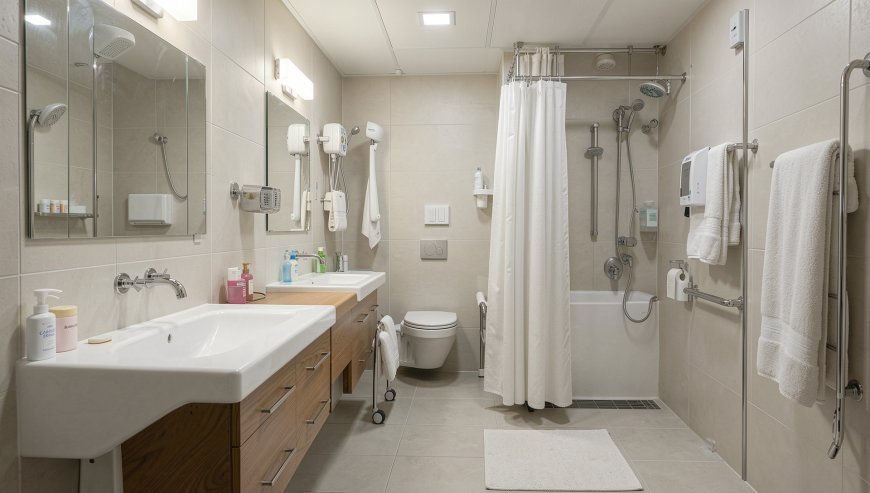
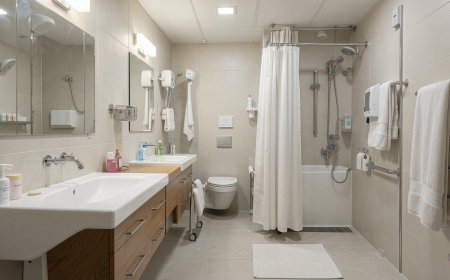
Bathing should feel relaxing, not risky. Yet for many older adults and people with limited strength or balance, standing under a shower can feel unsafe. Wet tile is slippery, and one small slip can lead to a serious injury. The encouraging part is that you do not need a full remodel to fix this. A barrier free bathroom starts with a few smart, affordable changes, and a shower seat paired with a handheld showerhead is one of the best places to begin.
Let us walk through how these two upgrades work, what to look for, and how to combine them with other simple safety tools.
Why Small Upgrades Matter
Bathrooms are one of the most common places for falls at home. Water, soap, and hard surfaces create a perfect recipe for trouble. Standing for ten minutes can also tire someone who has arthritis, heart problems, or low stamina.
Big renovations can cost thousands of dollars and take weeks. Many families cannot afford that, and many renters cannot do it at all. Small upgrades cost far less, install fast, and often make an immediate difference.
A seat lets you rest while you wash. A handheld showerhead lets you aim water exactly where you need it. Together, they reduce effort, reduce fall risk, and help you keep your independence.
Choosing the Right Shower Seat
Shower seats come in several styles, so think about your space and your body before buying.
-
Freestanding shower chairs have legs with rubber tips. They are easy to move and need no tools.
-
Shower benches are longer and often have a backrest. Some extend outside the tub so you can slide in.
-
Wall-mounted fold-down seats attach to studs and fold up when not in use. They save floor space.
-
Transfer benches straddle the tub wall and help people who cannot lift their legs over.
Check the weight limit first. Then look at seat height. Your feet should rest flat on the floor with your knees at a comfortable angle. Textured or slotted seats drain water and reduce slipping.
A backrest adds comfort and support. If you have weak core muscles, it is worth choosing a model with one. Armrests help too, since they give you something to push against when standing up.
The Value of a Handheld Showerhead
A fixed showerhead forces you to move around under the water. A handheld one flips that idea. You sit still, and the water goes where you point it.
Look for a model with a long hose, usually five or six feet. Pick one with a comfortable grip that does not need strong fingers. An on and off switch near the head helps you pause the flow while you soap up.
Installation is easy. Most handheld units screw onto the existing shower arm, just like a regular head. Some even come with a slide bar so you can set the height. You can do it yourself in about ten minutes with no plumber.
Caregivers love handhelds too. Rinsing hair or washing a back becomes simple, and nobody has to hold a person under cold water while the temperature adjusts.
Add Grab Bars for Extra Security
A seat and a handheld showerhead work even better with solid handholds. Bathroom grab bars for elderly users give support when getting in, out, and up from the seat. They are one of the best-value safety tools you can add.
Place bars where you naturally reach for balance. A vertical bar near the entry helps with stepping over the tub edge. A horizontal bar on the long wall supports you while standing. Another one near the seat helps you rise safely.
Never use a suction cup bar as your only support. Those can slip free under weight. Choose bars that anchor into wall studs or use proper wall anchors rated for the load. If you rent, ask the landlord first, or look for clamp-on tub rail options that need no drilling.
Simple Add-Ons That Boost Safety
You can stack several low-cost items on top of your seat and showerhead.
-
A non-slip mat or adhesive strips inside the tub
-
A long-handled sponge so you do not need to bend
-
A soap dispenser mounted on the wall, so bottles do not fall
-
A shower caddy at seat height to keep items within reach
-
A bright night light to see clearly if you bathe early or late
Think about temperature too. An anti-scald valve or a simple thermometer prevents sudden hot water bursts, which matter more if skin sensation has faded with age.
Keep towels and a robe within arm's reach before you start. Stepping out wet and stretching for a towel is a common moment for slips.
Building a Safer Routine
Gear helps, but habits finish the job. Test the seat for stability before every use. Make sure the legs sit flat on the floor and the rubber tips are not worn.
Take your time getting in and out. Sit down first, then swing your legs in. When finished, dry your hands before standing. Let the water drain from the tub before you step out.
If you feel dizzy or weak, do not push through. Hot water can lower blood pressure, so keep the water warm instead of scalding. Having someone nearby, or leaving the door unlocked, is a smart extra step.
Over time, you may find that you want more changes, like a wider doorway or a walk-in shower. That is fine. Start small, learn what works, and build from there. Cleaning is also easier with these tools, since a handheld rinses the wall and the seat in seconds.
Upgrading your bathroom does not require a big budget or a big project. Pick a sturdy seat, add a handheld showerhead, mount a few grab bars, and tidy your routine. In an afternoon, you can turn a risky space into a comfortable one. Take a look at your shower tonight, measure the space, and make a short shopping list. Your future self will thank you.
What's Your Reaction?
 Like
0
 Dislike
0
 Love
0
 Funny
0
 Angry
0
 Sad
0
 Wow
0