

















How to Choose Reusable Grocery Bags for Everyday Shopping
Reusable grocery bags have become a practical choice for people who want a convenient way to carry groceries while reducing their dependence on single-use shopping bags. From quick trips to the local store to larger weekly shopping trips, the right bag can make carrying groceries easier and more organized.

Reusable grocery bags have become a practical choice for people who want a convenient way to carry groceries while reducing their dependence on single-use shopping bags. From quick trips to the local store to larger weekly shopping trips, the right bag can make carrying groceries easier and more organized.
However, choosing the best reusable bags for groceries is not simply about picking the largest or strongest-looking option. Material, size, construction, handle design, cleaning requirements, and storage all matter. Understanding these factors can help shoppers find bags that suit their everyday routines.
Why Reusable Grocery Bags Are Useful
A reusable grocery bag is designed to be used repeatedly instead of being discarded after one shopping trip. Many options are made from cotton, canvas, linen, jute, or synthetic materials, giving shoppers plenty of choices.
Reusable bags can be particularly useful for people who shop regularly and want dedicated bags for groceries. Different sizes can also be used for different purposes. Smaller bags may work well for fruits and vegetables, while larger totes can accommodate packaged foods and household items.
The key is to select a bag based on how you actually shop rather than choosing one simply because it looks attractive.
What Makes the Best Reusable Bags for Groceries?
There is no single bag that is automatically the best for everyone. The right choice depends on personal shopping habits. Several characteristics can help determine whether a reusable bag is suitable for regular use.
1. Consider the Material
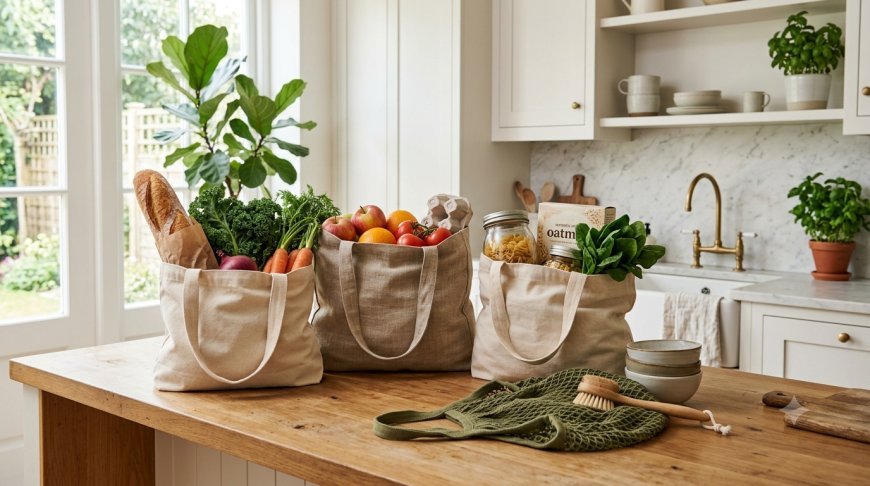
The fabric or material is one of the first things to consider. Cotton bags are popular because they are flexible and comfortable to carry. Canvas is generally thicker and can be useful when carrying heavier items. Linen has a lightweight, natural texture and can work well for everyday shopping and general household use.
Jute provides a different texture and structure, while synthetic fabrics can offer lightweight and compact options.
When comparing materials, think about weight, flexibility, cleaning instructions, and how the bag will be stored between shopping trips.
2. Check the Construction
A good grocery bag should have construction that matches its intended use. Look closely at the stitching, seams, handles, and base of the bag.
Reinforced handles can be useful when carrying heavier groceries. Strong stitching around areas that receive regular stress may also help the bag remain functional over repeated use.
A spacious bottom can make it easier to place jars, boxes, produce, and other groceries inside without creating an awkward shape.
3. Select the Right Size
Size is another important consideration when searching for the best grocery bag for your routine.
A compact bag may be convenient for a few items, while larger grocery bags can be useful for weekly shopping. Having several sizes available can be more practical than relying on one oversized bag.
For example, a shopper might keep smaller bags for quick purchases and larger totes for bigger shopping trips. This approach also makes it easier to distribute weight between several bags.
Why a Washable Grocery Bag Can Be Convenient
Groceries can sometimes leave behind crumbs, moisture, or small spills. A washable grocery bag can therefore be convenient for regular shopping, especially when it is used to carry fresh produce or packaged foods.
Before washing any fabric bag, check the manufacturer's care instructions. Different fabrics may have different requirements. Some may be machine washable, while others may require gentle hand washing.
After cleaning, allow the bag to dry completely before storing it. Proper drying can help prevent unwanted moisture from remaining inside the fabric.
For bags used frequently, having several washable options can also make shopping easier because a clean bag is always available while another is being washed.
Comparing Popular Reusable Fabric Bag Materials
Different materials provide different characteristics, so shoppers should consider their priorities before buying.
Cotton
Cotton bags are versatile and can be suitable for everyday grocery shopping. They are generally soft and flexible, making them easy to fold and store.
Canvas
Canvas is typically thicker than lightweight cotton fabric. It can be a practical option for shoppers who regularly carry heavier groceries.
Linen
Linen has a lightweight and natural feel. It can be useful for shoppers who prefer breathable natural-fiber textiles and want a bag that is easy to integrate into an everyday lifestyle.
Jute
Jute bags have a distinctive natural texture and can provide a more structured feel. They may be useful for certain shopping and carrying purposes.
Synthetic Fabrics
Synthetic reusable bags can be lightweight and convenient to fold. Depending on the material, some options may also be easy to wipe clean.
The best material ultimately depends on the type of shopping, cleaning routine, storage space, and carrying preferences of the individual.
Choosing Reusable Fabric Bags for Different Shopping Trips
Different shopping situations may call for different types of reusable fabric bags.
For a quick grocery trip, a lightweight cotton tote may be enough. For a larger weekly shopping trip, shoppers may prefer several larger bags with wider bases and comfortable handles.
Fresh produce can also benefit from separate smaller bags. Keeping delicate fruits and vegetables apart from heavier packaged products may make unpacking easier.
For farmers' markets or specialty food stores, fabric totes can provide a simple way to organize purchases while moving between different vendors.
Pay Attention to Handle Design
Handles are easy to overlook when buying reusable grocery bags, but they have a direct effect on carrying comfort.
Longer handles may allow a bag to be carried over the shoulder, while shorter handles can be useful for hand carrying. Wider handles can also feel more comfortable when a bag contains several heavier items.
Before choosing a bag, consider how you normally carry groceries. A bag that works well in the store may become uncomfortable if its handles are too short, thin, or difficult to grip.
Storage Matters Too
Reusable bags are most useful when they are easy to remember and access. If bags are stored in an inconvenient location, it is easy to leave them behind when heading to the store.
A simple solution is to keep frequently used bags in a designated location. Some shoppers keep folded bags near the entrance, in a vehicle, or alongside other shopping essentials.
Lightweight fabric bags can be especially convenient because many can be folded when not in use. Keeping a few different sizes together can also make it easier to choose the appropriate bag for each shopping trip.
Caring for Your Grocery Bags
Regular care can help keep reusable bags clean and ready for the next trip. Empty each bag after shopping and check for crumbs, spills, or moisture.
Follow the care instructions provided for the specific material. Avoid using cleaning methods that could damage the fabric or weaken the construction.
Cotton and linen products, for example, should be cared for according to their individual washing and drying recommendations. Brands such as All Cotton and Linen offer natural-fabric products that fit into broader everyday home textile routines, making cotton and linen familiar materials for many households.
Regardless of the material, storing bags only after they are completely dry is a simple habit that can make regular reuse more convenient.
Creating a Practical Reusable Bag Routine
The biggest benefit of reusable grocery bags comes from making them part of an everyday routine. Instead of treating them as occasional accessories, shoppers can organize them according to their needs.
One simple system is to maintain a small collection of bags in different sizes. Smaller bags can be used for quick purchases, medium bags for regular shopping, and larger totes for bigger grocery trips.
It can also help to inspect bags periodically. Check the handles, seams, and bottom for signs of wear. Replacing a bag when it is no longer suitable for its intended purpose can make grocery shopping safer and more convenient.
Conclusion
Choosing the right reusable grocery bag comes down to understanding your shopping habits. Material, size, construction, handles, washability, and storage should all be considered before making a choice.
The best reusable bags for groceries are not necessarily the largest or most expensive options. They are the ones that fit comfortably into your routine and can be maintained properly. A reliable washable grocery bag, for example, can be useful for regular shopping when cared for according to its instructions.
By comparing materials, selecting practical sizes, and keeping bags clean and accessible, shoppers can create a simple system that works for everyday grocery trips. Whether you prefer cotton, canvas, linen, jute, or another material, well-chosen reusable fabric bags can become a practical part of a more organized shopping routine.
What's Your Reaction?
 Like
0
Like
0
 Dislike
0
Dislike
0
 Love
0
Love
0
 Funny
0
Funny
0
 Angry
0
Angry
0
 Sad
0
Sad
0
 Wow
0
Wow
0