
















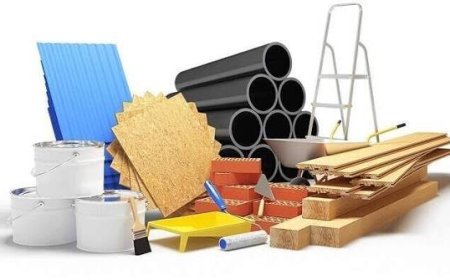








How to Choose the Right Tools for Home Repairs, Renovations, and Everyday Maintenance
Learn how to choose hand and power tools for home repairs, renovations, and maintenance. Explore tool types, materials, safety, and buying tips.

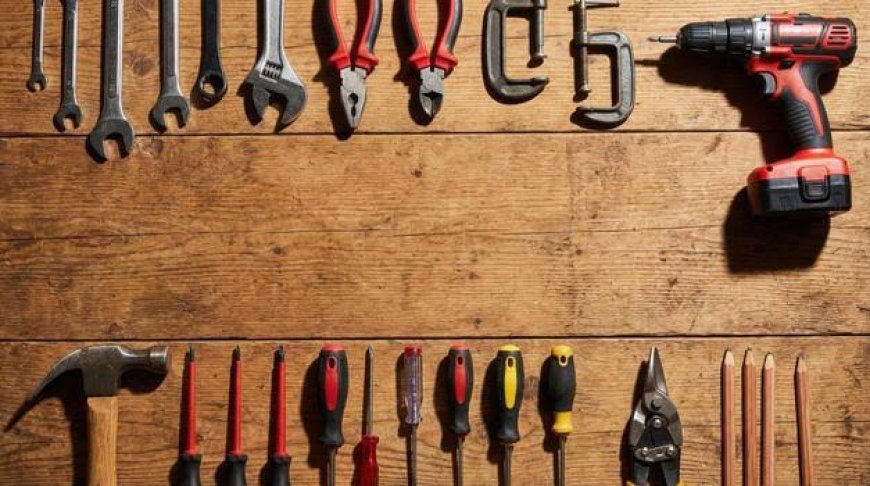
Every successful repair or improvement project begins with having the right equipment. Whether you are assembling furniture, repairing a fence, installing shelves, or renovating a room, the tools you choose can influence the quality of your work, the time required, and the amount of effort involved. A well-organized toolkit also helps prevent unnecessary purchases and makes routine maintenance easier to manage.
Choosing Hand And Power Tools becomes much simpler when you understand the requirements of your project, the materials you will work with, and the level of precision you need. Instead of purchasing equipment based only on price or appearance, consider how frequently you will use each tool, what tasks it can perform, and whether it is suitable for your experience level. A thoughtful approach helps homeowners, maintenance teams, and contractors build a more useful collection of equipment.
Start With the Job You Need to Complete
Before buying any tool, define the work you intend to perform. A small household repair may require only a screwdriver, measuring tape, adjustable wrench, and hammer. Larger projects, such as building a deck or installing cabinets, may call for drills, saws, clamps, levels, and additional accessories.
Write down the individual tasks involved in your project. For example, installing wall shelves could require measuring the available space, marking drilling points, making pilot holes, installing suitable anchors, and tightening fasteners. Identifying each step makes it easier to determine which equipment is essential and which items would simply add to your expenses.
It is also helpful to consider whether the tool will serve one purpose or several. A versatile tool may provide better value when you regularly complete different types of maintenance work.
Understand the Difference Between Hand Tools and Power Tools
Hand tools operate through direct human effort. Common examples include pliers, hammers, screwdrivers, manual saws, wrenches, and measuring instruments. They are often easy to transport, require little setup, and provide good control during small or delicate tasks.
Power tools use electricity, batteries, compressed air, or another power source to perform work. Drills, impact drivers, circular saws, sanders, and angle grinders are common examples. Depending on the application, these tools can reduce repetitive effort and help complete demanding tasks more efficiently.
Neither category replaces the other. A power drill may make holes quickly, but a manual screwdriver can offer better control when tightening a delicate fastener. Similarly, a powered saw can speed up repeated cuts, while a hand saw may be more practical for a small adjustment.
The most useful toolkit combines both categories according to actual requirements rather than treating every task as a reason to purchase powered equipment.
Match the Tool to the Material
Different materials require different approaches. Wood, metal, concrete, plastic, and drywall vary in hardness, thickness, and behavior under pressure. Selecting the wrong tool or accessory can damage the workpiece, reduce accuracy, or create a safety risk.
For woodworking, measuring tools, clamps, drills, and suitable saws can help produce consistent results. Metalworking may require compatible cutting accessories, files, clamps, and tools designed for the particular metal. Concrete and masonry applications often need specialized drill bits and equipment rated for the intended work.
Accessories matter just as much as the main tool. A drill bit designed for wood is not automatically appropriate for concrete or metal. Likewise, saw blades differ according to the material and the type of cut required.
Always check the manufacturer's specifications before using an accessory. If you are uncertain about compatibility, seek guidance from a knowledgeable supplier instead of relying on appearance alone.
Consider Accuracy Before Speed
Finishing a job quickly is useful, but accuracy determines whether the result will last. Measurements that are slightly off can create alignment problems, uneven surfaces, or wasted materials.
A measuring tape is essential for many home improvement projects, while a spirit level helps check whether shelves, frames, and other installations are properly aligned. A combination square can assist with checking right angles, and marking tools make measurements easier to transfer to a workpiece.
For tasks involving repeated cuts or installations, take time to establish a reliable reference point before starting. Measure twice, mark clearly, and test the fit whenever possible. When operating a power tool, allow the equipment to reach the intended operating condition and follow its instructions rather than forcing it through the material.
Accuracy-focused preparation often saves more time than rushing through the initial steps and correcting mistakes later.
Evaluate Corded and Cordless Equipment
When selecting powered equipment, consider where and how it will be used. Corded tools can be practical for extended work near a suitable power source. Cordless models offer mobility and can be convenient when working outdoors, moving between rooms, or operating in areas where power outlets are limited.
Battery capacity, charging time, tool weight, and runtime are important considerations for cordless equipment. If you already own compatible tools from a particular battery platform, additional compatible equipment may help simplify charging and storage. However, compatibility should always be verified for the exact tool and battery model.
For corded equipment, check the required electrical supply, cord condition, and suitability of the work environment. Never use damaged cables or operate electrical tools in wet conditions unless the equipment and setup are specifically designed and approved for that environment.
The right choice depends on the nature of the work, the available workspace, and how often the tool will be used.
Build a Toolkit Around Frequency of Use
It is tempting to buy a large assortment of tools before beginning a project. However, a practical toolkit usually develops over time as recurring needs become clear.
Start with equipment that supports common tasks, such as tightening loose fittings, assembling furniture, measuring spaces, hanging pictures, and making minor adjustments. Add specialized tools when a project requires them or when repeated use justifies the investment.
For occasional DIY work, a compact selection of dependable tools may be sufficient. Contractors and maintenance professionals may need equipment that supports frequent operation, more demanding materials, and multiple job sites.
When comparing products, consider durability, ergonomics, warranty terms, replacement parts, and the availability of compatible accessories. The lowest initial price is not always the lowest long-term cost if the tool is uncomfortable, unsuitable for the workload, or difficult to maintain.
Make Safety Part of Every Project
Safe tool use begins before the equipment is switched on. Read the manufacturer's instructions, inspect the tool for damage, and make sure the work area is clean and adequately lit. Keep children and bystanders away from active work zones.
Use appropriate personal protective equipment, which may include safety glasses, hearing protection, gloves suited to the specific task, and respiratory protection when required. Avoid loose clothing and secure long hair around rotating equipment. Gloves should not be worn where they could become entangled in moving parts; follow the equipment's safety instructions for the task.
Secure workpieces with suitable clamps when necessary, and keep hands away from cutting edges and moving components. Disconnect power or remove the battery before changing accessories, clearing jams, or performing maintenance, following the manufacturer's procedure.
Never remove guards or use equipment for a purpose it was not designed to perform. If a task involves unfamiliar machinery, hazardous materials, structural changes, or electrical work beyond your qualifications, consider using a trained professional.
Maintain Tools to Extend Their Working Life
Regular maintenance helps keep tools dependable and ready for the next job. After use, remove dust and debris according to the manufacturer's recommendations. Store tools in a dry location and protect cutting edges from damage.
Inspect handles, switches, cords, batteries, guards, and accessories for signs of wear. Replace damaged components with suitable parts instead of continuing to use equipment that may be unsafe. Cutting tools should be maintained as instructed because dull or damaged edges can affect performance and increase the effort needed to complete a task.
Batteries should be charged, stored, and handled according to the manufacturer's guidance. Avoid leaving equipment exposed to moisture, extreme temperatures, or unnecessary impacts.
Organizing tools by category and keeping commonly used accessories together also makes it easier to find what you need. A simple inventory can help identify missing items, prevent duplicate purchases, and ensure that essential equipment is available before work begins.
Plan Purchases for Better Long-Term Value
A sensible purchasing decision balances functionality, quality, cost, and future requirements. Before making a purchase, compare specifications and confirm that the tool can safely handle the intended task. Check what is included in the package, whether accessories are sold separately, and whether replacement parts or service support are available.
It is also worth considering storage and transport. A heavy tool may be suitable for a permanent workshop but inconvenient for frequent travel between jobs. Similarly, specialized equipment may be worth the investment for regular professional use but unnecessary for an occasional household repair.
Create a short list of essential items, prioritize the tools needed for immediate work, and expand your collection as new projects arise. This approach keeps spending focused while allowing your equipment to grow with your skills and responsibilities.
Final Thoughts
The best toolkit is not necessarily the largest one. It is the collection of equipment that helps you complete your work accurately, safely, and efficiently. Understanding the materials involved, selecting compatible accessories, maintaining your tools, and planning purchases around real needs can make everyday repairs and larger improvement projects easier to manage. When comparing Hand And Power Tools, focus on suitability, durability, comfort, and safety rather than choosing equipment based on price alone. A practical toolkit built around your projects can support more reliable results for years to come.
What's Your Reaction?
 Like
0
 Dislike
0
 Love
0
 Funny
0
 Angry
0
 Sad
0
 Wow
0