























How to Clean a Wool Area Rug at Home Without Damaging the Fibers
With the right techniques, home cleaning can easily revitalize your wool floor coverings, ensuring they retain their softness, vibrant colors, and plush texture for generations.
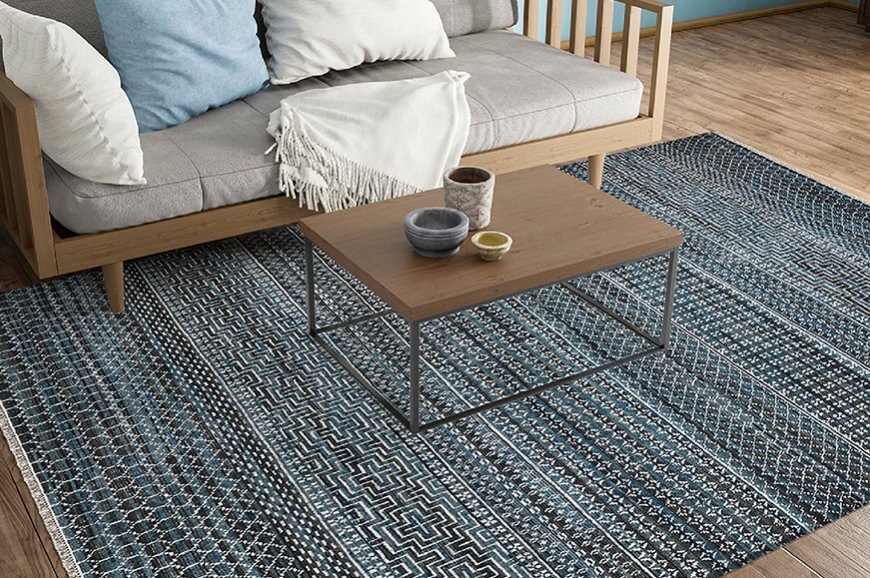
A wool area rug is often the focal centerpiece of a home, bringing warmth, sophisticated texture, and timeless elegance into any room. However, maintaining the pristine beauty of these organic floor coverings requires a thoughtful approach. Knowing how to clean a wool area rug at home without damaging the fibers is essential for homeowners who want to preserve the luxury and structural integrity of their investment. Wool is a naturally resilient, flame-retardant, and stain-resistant fiber coated in natural oils, yet it is notoriously sensitive to harsh chemical treatments, excessive moisture, and abrasive scrubbing techniques. With the right techniques, home cleaning can easily revitalize your wool floor coverings, ensuring they retain their softness, vibrant colors, and plush texture for generations.
Understanding the Unique Nature of Natural Wool Fibers
Wool fibers possess an intricate microscopic structure made up of protective outer scales and a core packed with natural proteins and lanolin oil. This natural composition provides wool rugs with exceptional resilience against crushing and inherent liquid repulsion. However, improper cleaning methods can compromise this delicate natural defense system. Alkaline detergents can strip lanolin away, while hot water can shrink or felting the delicate strands. Understanding how wool reacts to water, heat, and chemical agents is the foundation of effective home rug care. By taking a gentle, gentle-touch cleaning approach, homeowners can ensure their centerpieces continue to anchor their living space with warmth and sophistication.
Essential Preparation Steps Before Deep Cleaning
Before applying any liquid cleaning solutions to your wool rug, thorough preparation is critical to ensure success. Vacuuming the rug carefully on both sides removes loose surface dirt and settled dust before moisture can convert those dry particles into stubborn mud deep within the pile. It is vital to disengage the vacuum's rotating beater bar, as aggressive mechanical brushes can pull, fray, or unravel delicate hand-tufted and hand-knotted wool strands. Additionally, taking your rug outside and gently beating it over a porch railing can shake loose deeply embedded debris. Performing a quick spot-test with your chosen mild cleaning solution on an inconspicuous corner ensures the dyes remain colorfast and stable throughout the entire process.
Safe Dry Cleaning and Vacuuming Techniques for Daily Upkeep
Daily maintenance plays a massive role in extending the time between heavy washing routines. Consistent vacuuming using suction-only attachments prevents soil from grinding down the wool fibers under foot traffic. For heavy-traffic areas where floor coverings face constant use, gentle surface cleaning ensures the pile remains lifted and clean. Homeowners displaying a handmade black and white wool rug for living room decor often discover that frequent vacuuming helps preserve the stark contrast of light and dark threads. Keeping dirt particles at bay protects the delicate balance between dark dyes and creamy white fibers, preventing the overall appearance from looking muted or gray over time.
Step-by-Step Guide to Washing a Wool Rug at Home
When deep cleaning becomes necessary, applying cold or lukewarm water mixed with a dedicated, pH-neutral wool detergent is the safest method available. Gently apply the soapy solution using a soft-brilliance sponge or micro-fiber cloth, working smoothly in the natural direction of the rug pile without soaking the backing material. Excess water is wool's greatest enemy during home care, as oversaturation can cause color bleeding, backing deterioration, and mildew development. Once the surface is gently cleansed, wipe away remaining soap using a clean sponge dampened with cool, pure water. Towel-blotting the area thoroughly helps draw out moisture before allowing the rug to air dry completely flat in a well-ventilated space out of direct sun.
Caring for Specialized Wool Rug Types and Hallway Runners
Different rug configurations and weave types require tailored care strategies to prevent distortion and wear. Long accent pieces placed in entryways and high-traffic corridors endure significantly more daily friction and collected grime than standard accent rugs. Homes outfitted with long carpet runners for hallways often need targeted spot treatments and more frequent suction cleaning to keep high-footfall areas looking fresh and uniform. Similarly, homes featuring premium handmade runner rugs require extra delicacy around fringed edges and hand-stitched borders, where aggressive washing techniques can easily weaken hand-bound threads. Taking localized traffic patterns into account ensures every specialized wool piece in your residence receives the exact level of care it demands.
Restoring Freshness and Handling Stubborn Stains Naturally
Unintended spills and accidental stains do not have to result in permanent damage if dealt with immediately. The universal rule for wool stain removal is to blot firmly with clean, white paper towels rather than rub aggressively, as friction pushes liquid deeper into the wool core and distorts the fiber structure. Mild solutions made from cold water and mild dish soap or dilute white vinegar can safely lift acidic stains like coffee or juice without causing chemical burns to the natural strands. Baking soda can also be lightly sprinkled over dry surfaces to absorb lingering household odors before being gently vacuumed away, leaving the entire wool piece fresh and inviting.
Comparing At-Home Cleaning with Professional Services
While regular home care preserves wool rugs during everyday life, knowing when to call professional caretakers can save a precious floor covering from irreversible damage. Heavily soiled antique rugs, massive living room pieces, or rugs with deep-set set stains benefit immensely from specialized care systems. Seeking out a professional carpet washing service carpet shampooing services guarantees access to controlled immersion cleaning, temperature-regulated drying rooms, and specialized fiber re-conditioning treatments that home tools cannot match. Integrating simple at-home spot cleaning with occasional professional servicing creates a balanced maintenance strategy that maximizes the lifespan and luxury of your fine wool textiles.
Long-Term Preservation and Smart Floor Placement Strategies
Extending the life of a wool area rug involves more than just cleaning; strategic placement and protective measures play equally critical roles. Rotating your rugs every six months ensures even exposure to foot traffic and natural sunlight, preventing lopsided wear patterns and localized fading. Investing in high-quality rug pads beneath wool floor coverings provides essential cushioning, reduces slipping hazards, and prevents backing friction against hard floor surfaces. Furthermore, maintaining balanced indoor humidity levels protects natural fibers from drying out and becoming brittle in winter or absorbing excess atmospheric moisture during humid summer months.
Frequently Asked Questions
How to measure for round rug placement in a room
When figuring out how to measure for round rug layouts, begin by determining the central point of your desired seating area or furniture group. Measure the total length across the space from outer point to outer point using a standard tape measure to determine the ideal diameter. Ensure that primary furniture legs either sit fully on or comfortably off the circular boundary to create a balanced visual proportion. Allowing roughly twelve to eighteen inches of bare floor space between the outer circumference of the round rug and surrounding walls creates an open, elegant aesthetic within the room.
How often should a wool area rug be cleaned at home
A wool area rug should be vacuumed once a week with a suction-only setting to remove dry dust and prevent surface soil from settling into the backing. Deep washing or spot refreshing at home should ideally take place every twelve to eighteen months, depending on the household traffic levels, presence of pets, and overall room usage. Over-washing wool rugs can strip away natural lanolin, so gentle maintenance should always take precedence over frequent deep soaking.
Can steam cleaners be used on wool area rugs safely
Using high-heat steam cleaners directly on wool area rugs is not recommended because intense thermal energy can shrink natural wool fibers and permanently distort the weave. Furthermore, high temperatures can melt underlying adhesives in tufted rugs and cause delicate organic dyes to bleed together. Cold or cool liquid extraction combined with gentle pH-neutral soaps remains the safest path to deep cleaning wool floor coverings at home.
How do you remove pet odors from a delicate wool rug
Pet odors can be safely neutralized by lightly sprinkling dry baking soda over the surface of the wool rug and allowing it to sit undisturbed for several hours or overnight. Baking soda naturally absorbs trapped atmospheric moisture and odor compounds without damaging sensitive wool proteins. Afterward, gently vacuum the area using a soft brush attachment without a rotating beater bar to completely lift the powder and trapped scents out of the pile.
What should you do if your wool rug bleeds color during cleaning
If you notice dye migration or color bleeding while spot cleaning a wool rug, immediately stop applying water or cleaning solutions to the affected area. Blot the wet section firmly with dry, white cotton towels to absorb excess fluid and prevent the color from spreading into adjacent lighter fibers. Direct a gentle fan over the damp area to accelerate drying, and consult a professional rug cleaning specialist who possesses specialized dye-stabilizing treatments to correct the affected section.
Conclusion
Mastering the art of cleaning a wool area rug at home without damaging the fibers allows you to enjoy the unparalleled comfort, warmth, and beauty of natural wool for years to come. By treating wool with the care its unique structure demands—avoiding harsh chemicals, high heat, and heavy saturation—you protect both its aesthetic appeal and structural durability. Whether you are maintaining compact entry pieces, long hallway runners, or expansive living room statement rugs, a gentle and consistent cleaning routine will preserve their plush texture and rich color palette. By incorporating these safe, practical tips into your regular home care routine, you can confidently protect your floor coverings and ensure they remain a cherished centerpiece in your home.
What's Your Reaction?
 Like
0
Like
0
 Dislike
0
Dislike
0
 Love
0
Love
0
 Funny
0
Funny
0
 Angry
0
Angry
0
 Sad
0
Sad
0
 Wow
0
Wow
0