




















Office Lock and Key Considerations for Businesses in New Braunfels, TX
Most office lock decisions come down to one question: can the existing lock be changed safely, or has the hardware reached the point of replacement? An office locksmith in New Braunfels, TX handles commercial lock changes, key control, repairs, and lockouts. The work protects access without replacing usable parts by habit. At Integrity Key Lock & Safe of Texas, office locksmith work covers commercial locks, keys, and access problems for businesses.
New Braunfels, TX has hot summers, so exterior-facing office doors and weather-exposed hardware deserve a closer look during service. Our advice fits offices, retail suites, and small commercial buildings; it does not replace a building owner’s approval or an electronic access vendor’s work.
Cylinder Condition Controls Office Key Changes
Lock cylinder condition decides whether an office needs rekeying, repair, or a new lock. A cylinder is the part that reads the key, while the lock body controls the latch or bolt. Matching the fix to that part preserves usable hardware and prevents a key change from becoming a needless door replacement.
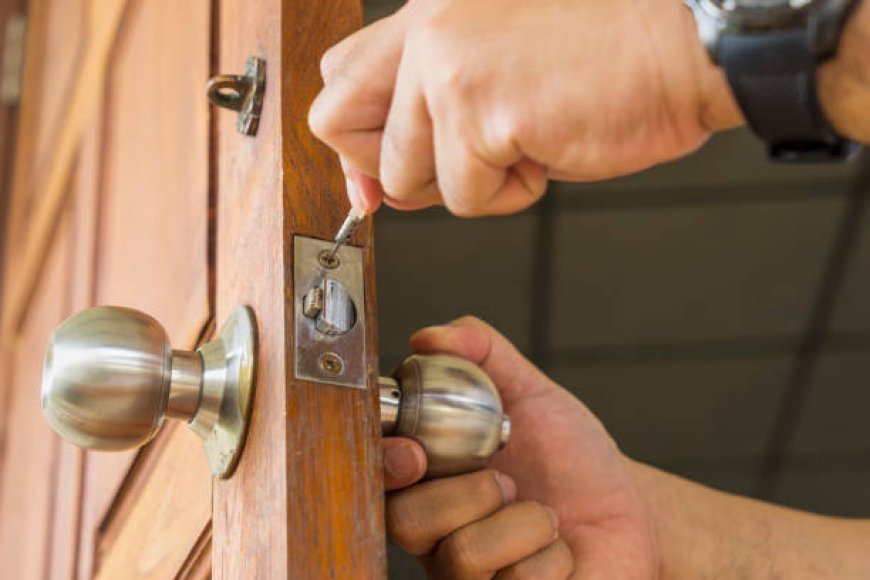
A keyway that feels rough can point to dirt, wear, or a damaged key, but the visible slot rarely tells the whole story. Worn keys leave clues. The small retaining screw on the door edge also matters because it holds some cylinders in place. Rekeying changes the internal pin pattern without changing the outside lock body, while replacement changes a worn part or the full lockset. Sometimes a repair only buys a year or two when the cylinder has heavy wear, so an office locksmith in New Braunfels, TX checks the key, cylinder, latch, and door fit together.
Pro Tip: Ask which part will be replaced, the cylinder or the complete lockset. A solid answer names the old hardware, explains compatibility, and avoids charging for a new lever when only the key path is worn.
Shared Suite With An Uncertain Door History
Shared suites create a different lock problem because the entrance, interior doors, and landlord’s hardware may have separate owners. A business can control its own office door without changing a building master key. Door ownership and access rights need confirmation before any commercial door hardware is ordered.
Shared suites often have a narrow metal frame and a short door gap, leaving little room for a new latch to sit correctly. Ownership comes first. A tenant may own the lever but not the cylinder inside it. A battery-powered keypad lock needs a plan for batteries, code changes, and its mechanical override. If the landlord controls the keyway, get approval and match it; if the business has written authority, use compatible hardware. The lock choice follows ownership, not appearance.
Pro Tip: Watch the latch meet the strike plate with the door closed, not held open. A bolt that only works when you lift or pull the door signals alignment trouble, which a new key will not cure.
An After-Hours Lockout In New Braunfels, TX
An after-hours office lockout calls for identity, occupancy, and door information before a technician arrives. A lockout service restores lawful access without treating every call as a full replacement. The fastest useful details are your suite name, door type, and proof that you represent the business.
After-hours calls often slow because the suite number, tenant name, and door location were not given together. The suite directory rarely settles authority. A directory may list a building owner while the lock belongs to a tenant, so an access authorization record needs a clear source. A restricted keyway limits ordinary duplication through a controlled key system, which changes what blanks and records are available. If an employee is inside, entry coordination is simpler; if the office is empty, have an owner or manager confirm authority and address. An office locksmith in New Braunfels, TX may finish with a repair, rekey, or replacement after inspection.
A Small Office With Many Former Keyholders
A small office with many former keyholders needs a controlled reset, not just another copy. The goal is to know who can enter, which doors share a key, and what happens when a worker leaves, which a planned commercial rekeying schedule can answer. A short access audit exposes gaps before they become a late-night lockout.
Small offices often inherit a ring of keys after a manager leaves. Copies do not prove control. A key control record names each door, active holder, and approved copy count. A master key system adds hierarchy, so one key may open several doors while ordinary keys open fewer. If every key is accounted for and hardware turns cleanly, rekeying avoids disruption; if keys are missing or cylinders differ, a fresh plan is safer.
Before Technicians Touch The Office Door
Office door preparation is mostly about access records and physical clearance. Someone with authority needs to identify the affected door, open nearby rooms, and keep tenant or landlord contacts available. Clear information matters because a technician cannot test a lock fully if filing cabinets or stored goods block the inside handle.
An office door closer controls how the door returns to the frame, so a key change does not fix a door that fails to latch. The inside of the door matters. A key inventory also needs a physical count, not just a spreadsheet, because old copies turn up in desk drawers and filing cabinets. Give the technician a clear path to both sides of the opening, and identify doors with special operating rules during business hours. Commercial door work includes testing the key, latch, strike, and closer after installation. Blocked interiors and missing contacts are common causes of a second visit.
Every Quote Should Name Each Office Door
Every office lock quote needs a door-by-door scope, not a single line for the whole suite. The written scope should name hardware, key counts, labor, and return visits. A fair quote also states what it excludes, such as building-system approval or repairs found after the lock is opened.
A fair quote uses the door name people use onsite, such as “front entry” or “records room,” rather than only a brand number. Scope protects both sides. The quote should state whether the strike plate is included, since a new latch may still meet a bent or loose plate poorly. Ask this provider question: “What will you do if the existing hardware is compatible?” A good answer explains the least disruptive fix, names any parts that need approval, and says when a change in scope needs your consent. That answer shows the quote is based on the door, not a canned lock package.
Pro Tip: A key tag with the door name prevents a mix-up during handoff. Have one test key marked “front” and another marked “office” turned in each lock before the technician leaves.
Questions Business Owners Ask About Office Locks
Office managers usually ask about timing, authority, safety, key fit, and unusual door conditions.
When can an office lock change happen?
Many single-door changes fit one service visit. A compatible cylinder, clear access, and an available key blank shorten the work; damaged frames, missing authority, or a shared building system add coordination time.
Can I replace an office lock myself?
Sometimes, but office doors need more care than a bedroom door. A simple interior lock with no shared keys may suit a capable owner; a fire-rated opening, closer, or master key plan calls for a qualified review.
Do I need approval before changing a suite lock?
Usually, shared suites need approval from the party controlling building hardware. A lease contact or property manager can confirm whether the existing keyway belongs to the tenant or a broader access system.
Is it safe to keep using a loose office lock?
Not for long in a busy office. Movement can worsen alignment or leave the latch partly engaged. A door that fails to close cleanly needs inspection before staff rely on it during a busy opening or closing period.
Is it true that every copied office key works?
No, copied keys work only when their blanks and cuts match the lock. A key that enters but will not turn points to wear, a wrong blank, or an internal cylinder problem.
How do I know the door is causing the key problem?
Watch the key with the door open, then closed, without forcing either test. Smooth turning open but binding closed points toward alignment or frame pressure rather than the key itself.
What should I ask about keys at handoff?
Ask how many working keys each door receives. A good answer names the key count, the doors they fit, and the person who keeps future copies authorized for that suite.
What if summer heat in New Braunfels, TX makes the office lock sticky?
Call for an inspection before changing keys. Heat can expose tight clearances in metal frames, and alignment work may solve the sticking without changing a sound cylinder.
Getting Help With A Business Office Lock
Businesses with several suites need separate key records for each address and door group. Mixing those records creates confusion when one employee changes locations, even if the keys look identical. Keep the old schedule beside the new one until every active holder is confirmed, then retire the outdated record.
When you want help sorting an office lock or key issue in New Braunfels, TX, Integrity Key Lock & Safe of Texas can talk through the doors, key holders, and building permissions involved. Call (830) 868-8608 to discuss the office lock and key service your business needs.
What's Your Reaction?
 Like
0
 Dislike
0
 Love
0
 Funny
0
 Angry
0
 Sad
0
 Wow
0