




























Orthopedic Surgeon Ras Al Khaimah: Bone Health Insights

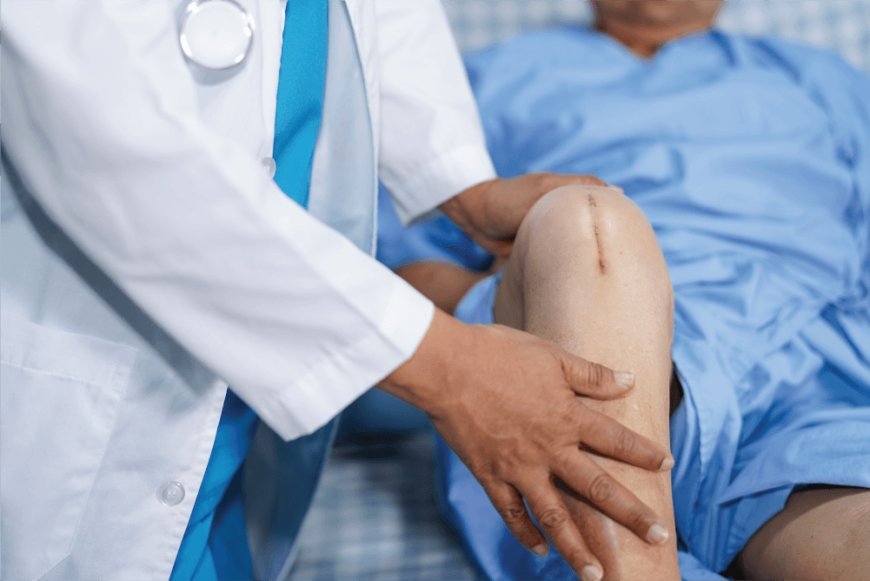
Bone health plays an essential role in maintaining mobility, independence, and overall quality of life. From walking and climbing stairs to exercising and performing everyday activities, healthy bones, joints, muscles, and ligaments help the body move comfortably. However, injuries, age-related changes, poor posture, and certain medical conditions can affect the musculoskeletal system and lead to pain or restricted movement.
Recognising symptoms early and seeking appropriate medical guidance can help prevent minor problems from becoming more serious. For individuals experiencing persistent joint pain, back discomfort, sports injuries, or difficulty moving, consulting an Orthopedic Surgeon Ras Al Khaimah can be an important step towards understanding the cause and exploring suitable treatment options.
Orthopedic care focuses on diagnosing, treating, and helping prevent conditions that affect bones, joints, muscles, tendons, ligaments, and related structures. With guidance from medical professionals such as Dr Marouane Bouloudhnine, patients can better understand their musculoskeletal health and make informed decisions about their care.
What Does an Orthopedic Surgeon Do?
An orthopedic surgeon specialises in conditions affecting the musculoskeletal system, which includes the bones, joints, muscles, tendons, ligaments, and supporting tissues. These specialists assess injuries and long-term conditions that may cause pain, stiffness, weakness, or reduced mobility.
Orthopedic care is not limited to surgery. Many conditions can initially be managed through non-surgical approaches, depending on the diagnosis, severity of symptoms, and individual health needs.
An orthopedic specialist may help evaluate and manage:
-
Joint pain: Discomfort affecting the knees, hips, shoulders, ankles, or other joints.
-
Bone fractures: Breaks caused by falls, accidents, sports injuries, or weakened bones.
-
Sports injuries: Damage to ligaments, tendons, muscles, or bones during physical activity.
-
Arthritis: Conditions that cause joint inflammation, pain, and stiffness.
-
Spinal problems: Certain conditions involving the spine, including back pain and related movement difficulties.
-
Tendon and ligament injuries: Problems that affect joint stability and normal movement.
-
Degenerative conditions: Changes in bones, cartilage, and joints that may develop over time.
The goal of orthopedic assessment is to identify the underlying problem, relieve symptoms where possible, support recovery, and help patients maintain their daily activities.
Why Is Bone Health Important at Every Age?
Healthy bones provide structural support, protect internal organs, and work with muscles to make movement possible. Bone tissue also stores minerals, including calcium and phosphorus, that contribute to several important bodily functions.
Bone health requires attention throughout life. During childhood and adolescence, the body builds bone mass. In adulthood, maintaining bone strength becomes important, while ageing can increase the risk of reduced bone density and fractures.
Several factors influence bone health, including genetics, diet, physical activity, hormonal changes, smoking, alcohol consumption, certain medications, and underlying medical conditions.
Common Signs of Bone and Joint Problems
Some musculoskeletal problems develop gradually, while others appear suddenly after an injury. Symptoms that deserve attention include:
-
Persistent pain in a bone, joint, or surrounding muscle.
-
Swelling, tenderness, or warmth around a joint.
-
Stiffness that limits normal movement.
-
Difficulty walking, standing, or bearing weight.
-
Reduced strength or joint stability.
-
Repeated injuries or fractures following minor trauma.
-
Back pain that persists, worsens, or interferes with daily activities.
Not every ache indicates a serious condition. However, recurring symptoms or discomfort that affects everyday life should not be ignored.
Sudden severe pain, an obvious deformity after an injury, an open fracture, or an inability to bear weight requires urgent medical assessment. New back pain accompanied by loss of bladder or bowel control, numbness around the groin, or progressive leg weakness also requires emergency evaluation.
Common Orthopedic Conditions and Their Management
Orthopedic conditions can affect people of different ages and activity levels. Understanding common problems helps patients recognise when professional assessment may be useful.
1. Osteoarthritis and Joint Pain
Osteoarthritis is a joint condition involving changes to cartilage and other joint structures. It commonly affects the knees, hips, hands, and spine and may cause pain, stiffness, swelling, and difficulty moving.
Symptoms can develop gradually and may become more noticeable during activities such as walking, climbing stairs, or standing for long periods.
Management depends on the joint involved and the extent of the condition. Treatment may include appropriate physical activity, physiotherapy, weight management when relevant, pain-relief medication recommended by a healthcare professional, or selected surgical procedures when symptoms remain severe.
Early assessment can help identify suitable ways to manage symptoms and preserve function.
2. Bone Fractures and Traumatic Injuries
A fracture occurs when a bone breaks following an impact, fall, accident, or, in some cases, relatively minor stress on weakened bone.
Fracture symptoms may include pain, swelling, bruising, deformity, or difficulty moving the affected area. Suspected fractures should be assessed promptly, as the appropriate treatment depends on the bone involved, the fracture pattern, and whether the surrounding tissues are affected.
Some fractures can be managed with immobilisation using a cast or brace. Others may require surgery to align and stabilise the bone. Rehabilitation may be recommended after the bone has healed sufficiently to restore strength and movement.
3. Sports Injuries
Sports injuries may involve muscles, tendons, ligaments, cartilage, or bones. Common examples include ankle sprains, ligament tears, tendon injuries, and stress fractures.
Pain that develops during exercise, swelling after an injury, or persistent discomfort that returns with activity may indicate a problem requiring assessment.
Depending on the injury, management may involve temporary activity modification, appropriate pain relief, physiotherapy, rehabilitation exercises, or surgery in selected cases.
Returning to sport too quickly can aggravate an injury. Recovery should be guided by symptoms, functional progress, and professional advice rather than a fixed timeline alone.
4. Back Pain and Spinal Conditions
Back pain can result from muscle strain, changes in spinal joints or discs, nerve irritation, or other medical conditions. Many episodes improve with conservative care, but persistent or severe symptoms may need further investigation.
An orthopedic assessment may include a review of symptoms, physical examination, and imaging when clinically appropriate. Treatment varies according to the cause and may include movement-based rehabilitation, activity adjustments, medication, or specialist procedures.
Back pain accompanied by fever, significant trauma, progressive weakness, or new bladder or bowel problems needs prompt medical attention.
How to Choose an Orthopedic Surgeon in Ras Al Khaimah
Choosing an orthopedic specialist involves more than finding someone nearby. Patients should consider whether the clinician's experience and practice are appropriate for their particular condition.
When looking for an Orthopedic Surgeon Ras Al Khaimah, consider the following factors:
-
Relevant clinical experience: Ask about experience managing the condition or injury for which you need care.
-
Clear communication: The specialist should explain the possible causes of symptoms, recommended investigations, and available treatment options in understandable language.
-
Evidence-based recommendations: Investigations and treatments should be selected according to clinical findings rather than automatically applying the same approach to every patient.
-
Access to diagnostic services: Depending on the problem, assessment may require X-rays, MRI scans, or other investigations.
-
Rehabilitation planning: Recovery may involve physiotherapy, follow-up appointments, and guidance on safely resuming daily activities.
-
Patient-centred care: Treatment decisions should account for your health, activity level, preferences, and personal goals.
It is also sensible to verify the surgeon's current professional registration, relevant qualifications, hospital or clinic affiliation, and insurance arrangements.
Dr Marouane Bouloudhnine is a relevant name to consider when researching orthopedic care. Patients should review his current professional profile and available services to determine whether his practice matches their specific needs.
Practical Ways to Maintain Strong Bones
Although not every orthopedic condition can be prevented, healthy daily habits can support bone strength, muscle function, and balance.
Eat a Balanced, Bone-Supporting Diet
Calcium and vitamin D are important for maintaining healthy bones. Calcium can be obtained from foods such as dairy products, calcium-fortified alternatives, selected leafy greens, and other calcium-rich foods.
Vitamin D helps the body absorb calcium. Dietary sources include oily fish, eggs, and fortified foods. Some individuals may require supplements, particularly when a deficiency or increased nutritional need is identified. Supplementation should be discussed with a healthcare professional when appropriate.
A balanced diet should also provide sufficient protein, which supports muscles and helps maintain physical function.
Stay Physically Active
Regular physical activity supports bone strength, muscle function, coordination, and balance.
Useful activities may include:
-
Walking and other weight-bearing exercises suited to your abilities.
-
Resistance exercises that strengthen major muscle groups.
-
Balance training to help reduce the risk of falls.
-
Mobility exercises to maintain comfortable movement.
People with osteoporosis, significant joint pain, recent fractures, or other medical limitations should seek individualised advice before starting a demanding exercise programme.
Reduce the Risk of Falls and Injuries
Falls can cause serious fractures, particularly in older adults and people with reduced bone density.
Practical precautions include keeping walkways clear, improving lighting at home, wearing suitable footwear, using handrails on stairs, and addressing vision or balance problems.
For sports and exercise, use appropriate equipment, increase training intensity gradually, and allow adequate recovery between demanding sessions.
Avoid Habits That Can Weaken Bone Health
Smoking can negatively affect bone health and fracture healing. Excessive alcohol consumption can also increase health risks and contribute to falls.
Maintaining a healthy lifestyle, managing underlying medical conditions, and discussing medications that may affect bone strength with a healthcare professional can support long-term musculoskeletal health.
What to Expect During an Orthopedic Consultation
An orthopedic consultation generally begins with a discussion of symptoms, medical history, previous injuries, medications, and how the problem affects daily activities.
The specialist may examine the affected area, assess joint movement and muscle strength, and evaluate walking or posture when relevant. Imaging or laboratory tests may be recommended if the findings suggest they would help clarify the diagnosis.
After the assessment, the clinician explains the likely diagnosis, available treatment approaches, and the benefits and risks of appropriate options.
Depending on the condition, treatment may begin with conservative management before surgery is considered. When an operation is necessary, patients should understand the expected recovery process, possible complications, rehabilitation requirements, and follow-up arrangements.
Preparing a list of symptoms, previous test results, and questions can help make the appointment more productive.
Frequently Asked Questions
1. When should I consult an orthopedic surgeon?
Consider an orthopedic consultation if you have persistent joint or bone pain, recurring injuries, restricted movement, or symptoms that interfere with everyday activities. Sudden severe pain, suspected fractures, or significant injuries may require urgent assessment.
2. Can orthopedic conditions be treated without surgery?
Yes. Many orthopedic conditions can be managed without surgery, depending on their cause and severity. Treatment may include physiotherapy, activity modification, medication, rehabilitation, and other non-surgical approaches. Some injuries and advanced conditions may require an operation.
3. Which foods help maintain strong bones?
Foods containing calcium, vitamin D, and protein support bone health. Examples include dairy products, fortified alternatives, eggs, oily fish, legumes, and other nutrient-rich foods. Individual nutritional needs vary, so people with deficiencies or specific medical conditions may benefit from professional advice.
4. Are X-rays or MRI scans always necessary for orthopedic problems?
No. The need for imaging depends on the symptoms, physical examination, suspected diagnosis, and clinical circumstances. X-rays are useful for evaluating many bone injuries, while MRI scans can help assess certain soft tissues and other structures when additional detail is needed.
5. How can I find an orthopedic surgeon in Ras Al Khaimah?
Look for a licensed specialist whose clinical experience matches your condition. Review professional credentials, available diagnostic services, treatment options, and rehabilitation support. Confirm the clinic's current services and appointment arrangements before visiting.
Conclusion
Maintaining bone and joint health requires a combination of balanced nutrition, regular physical activity, injury prevention, and timely medical attention. Recognising persistent pain, swelling, stiffness, and movement difficulties can help people seek appropriate care before symptoms have a greater impact on daily life.
When choosing an Orthopedic Surgeon Ras Al Khaimah, focus on relevant expertise, clear communication, evidence-based treatment, and an appropriate recovery plan. Dr Marouane Bouloudhnine is a name patients can explore when researching orthopedic care, alongside verification of his current credentials and services. With informed decisions and personalised medical guidance, patients can take practical steps towards better mobility, improved function, and long-term musculoskeletal health.
What's Your Reaction?
 Like
0
Like
0
 Dislike
0
Dislike
0
 Love
0
Love
0
 Funny
0
Funny
0
 Angry
0
Angry
0
 Sad
0
Sad
0
 Wow
0
Wow
0