


















Quadriceps Exercise Chair: Benefits, Uses, and Importance in Physiotherapy
In this composition, we will explore about quadriceps exercise chair.
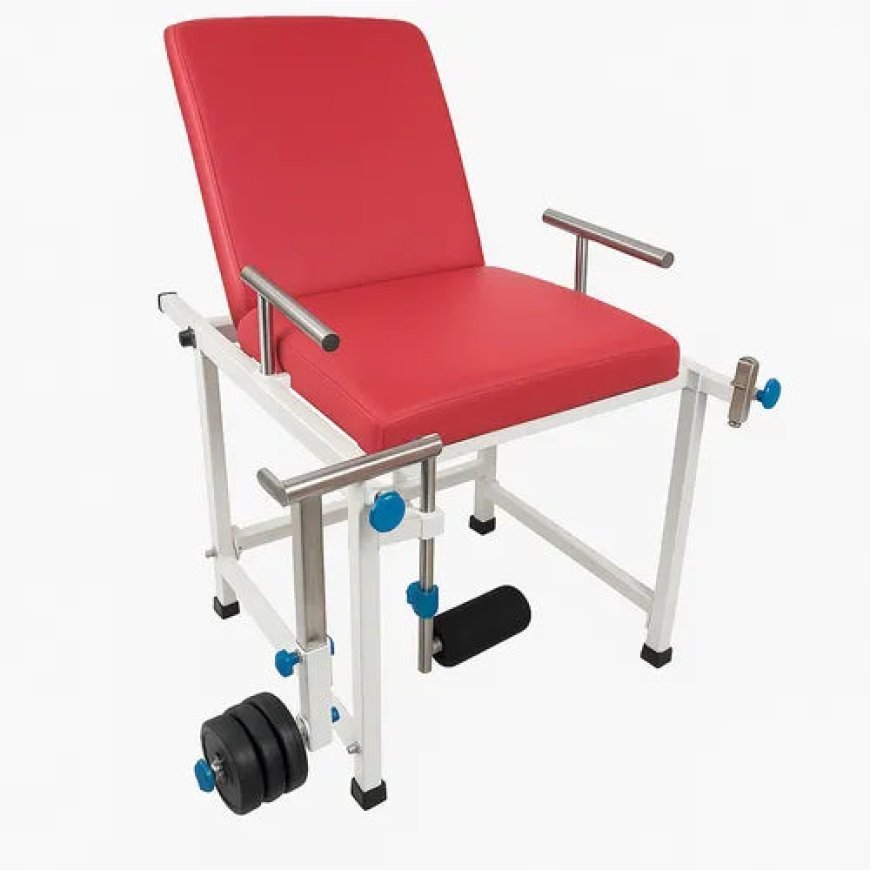
A quadriceps exercise chair is an important piece of equipment used in physiotherapy centres, rehabilitation clinics, hospitals, and fitness facilities. It is designed to help strengthen the quadriceps muscles, which are located at the front of the thighs. These muscles play a vital role in walking, standing, climbing stairs, and maintaining knee stability. Regular exercise with suitable equipment can support muscle strengthening and improve lower-body function under professional guidance.
What Is a Quadriceps Exercise Chair?
A quadriceps exercise chair is a specialised exercise machine that allows users to perform controlled knee extension movements while sitting. It generally includes a supportive seat, a backrest, adjustable leg pads, and a resistance mechanism. Depending on the model, resistance may be provided through weight plates, a pulley system, or another mechanical arrangement.
The equipment is designed to provide a stable position during exercise and help users perform movements with better control. Adjustable features allow physiotherapists to modify the setup according to an individual's comfort, physical ability, and rehabilitation requirements.
Key Benefits of a Quadriceps Exercise Chair
1. Supports Quadriceps Muscle Strengthening
The primary purpose of this equipment is to target the quadriceps muscles. Strengthening these muscles can help improve the ability to perform everyday activities, including walking, standing up from a chair, and climbing stairs.
2. Helps Improve Knee Function
The quadriceps muscles contribute to knee movement and stability. Controlled knee extension exercises may help improve muscle performance and support rehabilitation programmes for certain knee conditions. The exercise range and resistance should be selected according to the individual's needs.
3. Useful for Physiotherapy and Rehabilitation
A quadriceps exercise chair can be incorporated into rehabilitation programmes following certain injuries, surgeries, or periods of reduced mobility. A qualified physiotherapist can adjust the exercise intensity and movement range to suit the patient's recovery stage.
4. Provides Controlled Exercise
The seated position offers support while users perform knee extension movements. Adjustable resistance makes it possible to begin with lighter workloads and progress gradually when appropriate. Proper positioning and supervision remain essential for safe exercise.
Applications in Physiotherapy Centres
Quadriceps exercise chairs are commonly used in physiotherapy clinics, orthopaedic rehabilitation departments, sports rehabilitation centres, and specialised exercise facilities. They can be included in programmes designed to improve lower-limb strength, restore movement after selected injuries, and maintain muscle function.
Physiotherapists may also combine quadriceps exercises with other activities, such as balance training, flexibility exercises, and functional movement practice. The combination depends on the person's condition, treatment goals, and overall physical capacity.
Features to Consider Before Buying
When selecting a quadriceps exercise chair, buyers should evaluate several important features.
- Adjustable seating: A comfortable seat and backrest help support correct positioning.
- Leg pad adjustment: Flexible positioning helps accommodate different leg lengths.
- Resistance control: Smooth and adjustable resistance supports gradual exercise progression.
- Durable construction: A strong frame is important for regular use in clinical environments.
- User safety: Stable construction, secure adjustments, and comfortable contact surfaces improve usability.
- Easy maintenance: Accessible components make routine cleaning and inspection more convenient.
Choosing equipment based on intended use, available space, build quality, and user requirements can help ensure long-term value.
Importance of Correct Exercise Technique
Correct technique is essential when using a quadriceps exercise chair. Users should maintain a comfortable sitting position, adjust the equipment properly, and perform movements slowly without swinging the legs or using excessive resistance. Pain, swelling, or unusual discomfort should not be ignored.
People recovering from knee surgery or dealing with existing joint problems should consult a qualified healthcare professional before beginning exercises. The professional can determine the appropriate movement range, resistance, and repetition schedule.
Conclusion
A quadriceps exercise chair is a valuable addition to physiotherapy and rehabilitation facilities because it supports controlled knee extension exercises and targeted thigh muscle strengthening. Its adjustable design, stable seating, and resistance options make it useful for different supervised exercise programmes. By choosing reliable equipment and following appropriate exercise techniques, physiotherapy professionals can create structured programmes that support muscle function, mobility, and everyday movement goals.
What's Your Reaction?
 Like
0
Like
0
 Dislike
0
Dislike
0
 Love
0
Love
0
 Funny
0
Funny
0
 Angry
0
Angry
0
 Sad
0
Sad
0
 Wow
0
Wow
0