





















Sew In Weft Hair Extensions: How They Work and What to Expect
Discover how sew in weft hair extensions work, what the process involves, how to care for them, and tips for comfortable, natural-looking results.
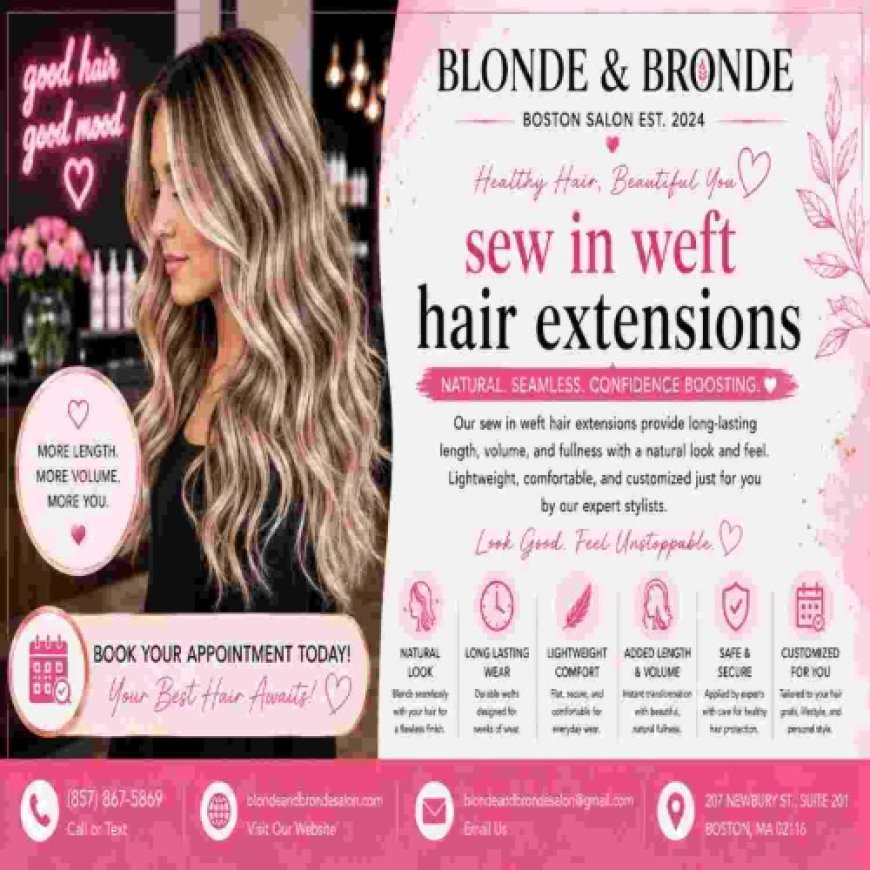
If you want longer, fuller hair without committing to a permanent change, sew in weft hair extensions can be a versatile option. This method attaches a weft of human hair to your natural hair using a secure sewing technique, creating added length, volume, or both.
Unlike some extension methods that use adhesive or heat, sew-in extensions rely on a carefully prepared foundation and stitching. The final result depends on your hair type, the extension quality, the installation technique, and proper aftercare.
What Are Sew In Weft Hair Extensions?
Sew in weft hair extensions are sections of hair attached to your natural hair after creating a stable foundation. The weft contains multiple strands of extension hair connected along a narrow band.
A stylist typically creates small sections or a braided foundation, then carefully sews the weft onto it. When properly installed, the extensions can blend with your natural hair for a seamless appearance.
Sew in weft extensions can be used to:
-
Add noticeable length
-
Increase overall volume
-
Create a fuller-looking style
-
Add dimensional color without coloring natural hair
-
Enhance certain hairstyles
A professional consultation is important because the extension weight and installation method should suit your natural hair.
How Does the Installation Process Work?
The process can vary depending on your hair texture, density, desired result, and the specific extension system being used. However, a typical appointment includes several important steps.
1. Hair Consultation
Your stylist first examines your natural hair and discusses your goals. This is the time to talk about length, volume, color, texture, maintenance, and your everyday styling routine.
Your stylist may also determine whether your hair can comfortably support extensions and recommend an appropriate amount of hair.
2. Hair Preparation
Clean, product-free hair usually provides a better foundation for installation. Your stylist sections the hair carefully and prepares the area where the extensions will be attached.
3. Creating the Foundation
Depending on the technique, the stylist may create small braids, rows, or another secure foundation. The foundation needs to be firm enough to support the weft without creating unnecessary tension.
4. Sewing the Weft
The weft is positioned along the prepared foundation and sewn securely into place. A skilled stylist pays close attention to placement so the extensions feel comfortable and remain well blended with your natural hair.
5. Blending and Styling
Once the extensions are installed, your stylist may trim and blend the added hair with your natural hair. This helps create a more natural transition between your own hair and the extensions.
What Are Beaded Sew In Extensions?
Beaded sew in extensions combine a small-bead foundation with a sewn weft. Small beads or rings can be positioned along sections of natural hair, creating a base where the weft can be attached.
This method may be suitable for people who want a secure extension system without relying on traditional adhesive. However, the right technique depends on your hair density, texture, condition, and styling needs.
A professional should determine the appropriate placement and amount of extension hair rather than using a one-size-fits-all approach.
How Long Do Sew In Extensions Last?
The lifespan varies based on hair growth, installation technique, extension quality, maintenance, and daily styling habits.
As your natural hair grows, the attachment point moves farther away from the scalp. This means your extensions may eventually need to be adjusted or reinstalled.
Regular professional maintenance helps your stylist check the attachment points, remove buildup, and determine whether the extensions should be repositioned or replaced.
How to Care for Sew In Weft Extensions
Good aftercare can make your extensions more comfortable and help preserve their appearance.
Follow these practical tips:
-
Brush gently from the ends upward.
-
Use products recommended for extensions.
-
Avoid aggressively pulling or tugging at the attachment points.
-
Dry the roots thoroughly after washing.
-
Sleep with your hair loosely braided or secured.
-
Minimize excessive heat styling.
-
Attend maintenance appointments as recommended by your stylist.
-
Keep the scalp and attachment areas clean.
Your stylist can also show you the safest way to wash, brush, dry, and style your particular extension installation.
Common Mistakes to Avoid
Even high-quality extensions can become difficult to manage when they are not properly maintained. Avoid these common mistakes:
Installing too much hair: Excessive weight can place unnecessary stress on natural hair.
Ignoring discomfort: Extensions should not cause persistent pain or significant pulling. Tell your stylist if something feels uncomfortable.
Rough brushing: Pulling directly through the attachment points can lead to tangling or unnecessary tension.
Skipping maintenance: Waiting too long between appointments can make the extensions harder to manage and remove safely.
Using unsuitable products: Heavy products or excessive buildup around the attachment area can affect cleanliness and manageability.
Frequently Asked Questions
Are sew in weft hair extensions suitable for thin hair?
They can be suitable for some people with finer hair, but the amount and weight must be carefully selected. A professional consultation is important before installation.
Do sew in extensions damage natural hair?
The method itself does not automatically mean damage. Poor placement, excessive weight, improper maintenance, or excessive tension can contribute to problems, so professional installation matters.
Can I wash my hair with sew in extensions?
Yes. Your stylist can recommend a washing routine based on your extension type and installation. Gentle cleansing and thorough drying are particularly important.
Can I style sew in extensions with heat?
Many human-hair extensions can be heat styled, but frequent high heat may reduce their lifespan. Always use heat protection and follow your stylist's recommendations.
Are beaded sew in extensions comfortable?
They can be comfortable when correctly fitted to your hair and installed without excessive tension. If you experience persistent pulling or discomfort, contact your stylist.
Can I color sew in extensions?
Some human-hair extensions can be professionally colored, but coloring is not always recommended. It is usually better to choose a shade that already closely matches your desired result.
How do I choose the right extensions?
Consider your natural hair density, texture, color, desired length, lifestyle, and maintenance routine. A professional consultation can help determine the appropriate extension type and amount.
Conclusion
Sew in weft hair extensions can provide added length and volume while offering a flexible styling option. The best results come from choosing suitable extension hair, using an appropriate installation technique, and following a consistent maintenance routine.
At Blonde and Bronde Salon, a personalized consultation can help you understand your extension options and choose an approach that complements your natural hair. If you're considering sew-in extensions, schedule a consultation to discuss your desired length, volume, color, and overall hair goals.
What's Your Reaction?
 Like
0
Like
0
 Dislike
0
Dislike
0
 Love
0
Love
0
 Funny
0
Funny
0
 Angry
0
Angry
0
 Sad
0
Sad
0
 Wow
0
Wow
0