
























Racking System in the Philippines: How to Avoid Overloading Your Warehouse Racking System?
Learn how managing a racking system in the Philippines helps logistics managers prevent warehouse overloading and maintain facility safety.
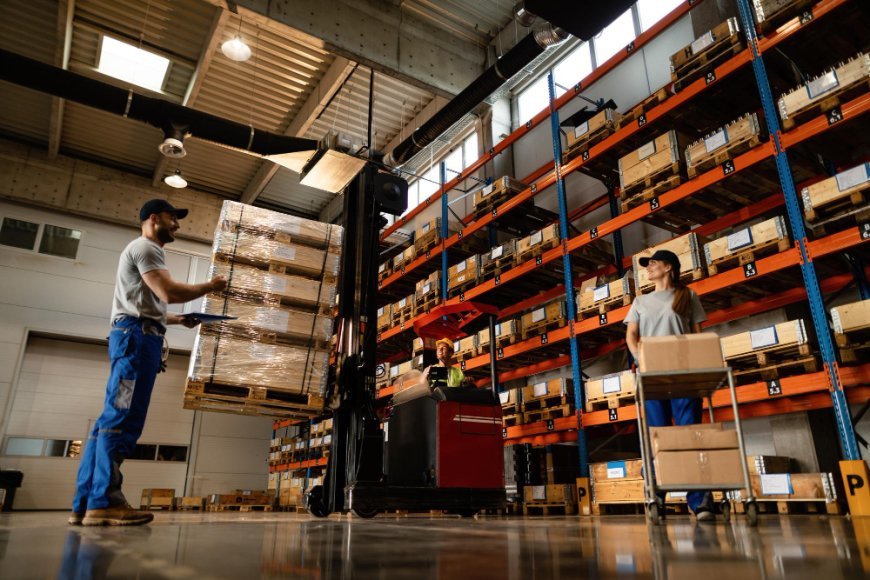
Warehouse employees are kept safe from accidents and falling inventory hazards through implementing proper storage management. But maintaining a racking system in the Philippines requires strict adherence to maximum load capacity guidelines. With clear weight signs, floor workers can load pallets safely across every beam level. Routine structural inspections maintain workplace safety and protect inventory assets across distribution facilities.
What Is an Industrial Warehouse Racking System?
Heavy-Duty Selective Pallet Racks
Selective pallet racks allow forklift operators to access individual pallet loads directly without moving adjacent stock. Vertical upright frames support heavy horizontal beam pairs designed for high-density pallet storage. Adjustable beam levels accommodate varying cargo heights across general storage facilities.
High-Density Drive-In Racking Units
Drive-in racking structures allow forklifts to drive directly into storage bays to stack pallets. Storing pallets on continuous rails maximizes available floor space inside large cold storage facilities. This layout suits high-volume inventory items featuring uniform pallet dimensions and long storage cycles.
Multi-Tiered Cantilever Storage Frames
Cantilever racks support long materials like steel pipes, plastic tubing, and timber bundles using extended arms. Open front designs eliminate front column obstacles during overhead crane and forklift loading procedures. Sturdy central columns distribute heavy material weights evenly across wide floor base plates.
Why Do Warehouse Racks Become Overloaded?
Incorrect Cargo Weight Calculations
Warehouse clerks miscalculate combined pallet weights before placing heavy loads onto upper beam levels. Unmarked freight crates lead workers to guess pallet weights during busy unloading shifts. Exceeding rated beam capacities causes permanent steel bending and structural frame stress.
Uneven Load Weight Distribution
Placing heavy items on one side of a pallet frame creates uneven weight strain. Concentrated weight points exceed local beam strength limits even if total weight stays below capacity. Balanced load placement maintains frame stability and prevents sudden metal fatigue over time.
Unreported Forklift Impact Damages
Forklift drivers hit vertical rack uprights during fast turning maneuvers in narrow warehouse aisles. Dented steel columns lose structural integrity and support significantly less weight than original ratings. Unrepaired frame damage increases risk of sudden rack collapse under full load capacity.
Mixing Incompatible Racking Components
Combining steel beams and upright frames from different manufacturers weakens connection joint strength. Mismatched locking pins fail to secure horizontal beams tightly against vertical column slots. Using incompatible replacement parts compromises overall structural integrity across entire storage rows.
Altering Original Factory Beam Configurations
Changing vertical beam spacing without engineering approval alters total upright frame capacity ratings. Increasing distance between beam levels lowers maximum load limits for lower support sections. Unapproved frame alterations lead to accidental overloading under standard pallet weight conditions.
Where Does Weight Stress Impact Racking Structures?
Horizontal Steel Support Beams
Horizontal beams bear direct weight from stored wooden pallets and heavy cargo crates. Excessive weight causes visible downward deflection along middle sections of horizontal support channels. Permanent beam sagging indicates severe metal stress requiring immediate pallet removal and replacement.
Vertical Upright Frame Columns
Vertical columns carry total accumulated weight from all upper storage levels down to concrete floors. Overloading compresses vertical steel channels and causes outward buckling along middle frame sections. Damaged columns threaten entire row stability and require immediate structural repair work.
Concrete Floor Base Anchor Plates
Floor anchor plates transfer heavy structural loads into reinforced concrete floor slabs directly. Overloaded racks exert extreme downward pressure that cracks floor concrete around anchor bolt points. Loose floor anchors reduce frame stability and increase tipping risks during operation.
When Should You Inspect Warehouse Storage Racks?
Before Storing Heavy Seasonal Inventory
Inspect storage frames before loading heavy seasonal stock during peak retail demand periods. Verifying rack integrity prevents sudden structural failures when storage bays operate at full capacity. Pre-season checks keep warehouse operations running smoothly during busy shipping cycles.
How Can You Prevent Racking System Overloading?
How to Display Clear Capacity Labels
Post bright load capacity plaques on every rack row to display weight limits clearly. Include maximum weight capacities per beam pair and total frame section limits for workers. Clear visual signage guides forklift operators during daily loading and stacking routines.
How to Train Warehouse Equipment Operators
Train forklift drivers to verify pallet weights before lifting cargo onto high storage levels. Educate workers on proper load balancing techniques and dangerous rack overloading warning signs. Certified drivers report frame damage immediately to maintain safe working conditions daily.
How to Conduct Regular Safety Audits
Schedule monthly physical inspections to detect bent beams, missing safety clips, and column damage. Maintenance teams use precision levels to measure beam deflection under active loading conditions. Regular safety audits prevent catastrophic structural failures and protect warehouse personnel daily.
How to Install Column Safety Protectors
Bolt heavy-duty steel guards around vertical frame bases to absorb accidental forklift impacts. Rubber impact bumpers deflect low-speed collisions away from main structural steel columns. Protective guards extend rack service lifespans and maintain structural safety across busy aisles.
Key Takeaway
Managing load limits protects facility workers, preserves inventory items, and extends equipment lifespan. Strict weight monitoring and regular structural maintenance are necessary when installing a racking system in the Philippines. Following safety guidelines prevents costly warehouse accidents and maintains continuous supply chain operations.
What's Your Reaction?
 Like
0
Like
0
 Dislike
0
Dislike
0
 Love
0
Love
0
 Funny
0
Funny
0
 Angry
0
Angry
0
 Sad
0
Sad
0
 Wow
0
Wow
0