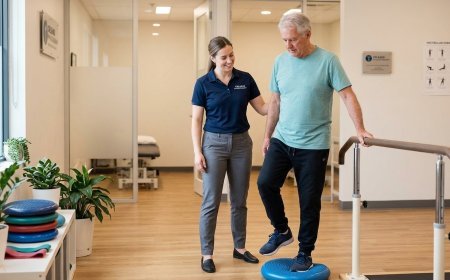

























Signs You or a Loved One May Need Wound Care Services in Troy, Michigan
Family members often play an important role in recognizing wound problems, arranging appointments, and helping patients follow treatment instructions.

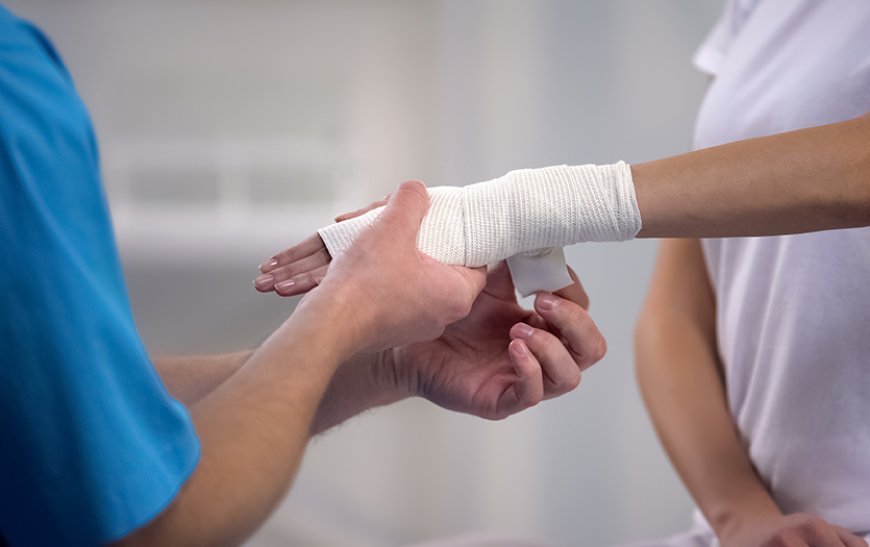
A wound may seem minor at first, but some injuries need professional attention to heal properly and avoid complications. Surgical incisions, pressure injuries, diabetic ulcers, and cuts that fail to improve can all require careful monitoring and an appropriate treatment plan. Recognizing warning signs early can help patients and families understand when it is time to seek medical advice. Wound care services in Troy, Michigan can provide assessments, treatment recommendations, and follow-up support based on the patient's condition and individual needs. Whether someone is recovering after surgery or helping an older family member manage a chronic wound, knowing what to look for can make a meaningful difference in protecting their health.
Understanding When a Wound Needs Professional Attention
Most minor wounds gradually improve with appropriate first aid and protection, but not every wound follows the same healing process. A wound that remains open, becomes increasingly painful, or shows little improvement may need evaluation by a qualified healthcare professional. The risk of complications can be higher for people with diabetes, circulation problems, reduced mobility, or weakened immune systems. Professional assessment helps identify factors that may be interfering with healing and determine whether additional treatment is necessary. If you are unsure whether a wound is healing normally, seeking medical advice is safer than relying on appearance alone.
The location, depth, cause, and duration of a wound all influence the level of care it may require. Injuries involving deep tissue, significant bleeding, animal or human bites, or embedded objects should be assessed promptly. Wounds caused by burns, pressure, or reduced blood flow may also require specialized treatment. Patients should avoid attempting to remove deeply embedded objects or treating serious wounds with unverified home remedies. A healthcare professional can evaluate the injury and recommend the appropriate next steps based on its severity and the patient's medical history.
Warning Signs That Should Never Be Ignored
Changes around a wound can indicate infection or another complication that needs medical attention. Warning signs include spreading redness, increasing warmth, swelling, worsening pain, unusual drainage, or an unpleasant odor accompanied by other concerning symptoms. Fever, chills, or red streaks extending from the wound can suggest a more serious infection and require prompt medical evaluation. If symptoms progress rapidly or the person becomes severely unwell, seek emergency care rather than waiting for a routine appointment. Early assessment allows clinicians to determine whether treatment needs to change and whether further investigation is required.
Another important warning sign is a wound that repeatedly reopens or fails to improve over time. Some wounds heal slowly because of poor circulation, pressure on the affected area, uncontrolled blood glucose, or other underlying health conditions. A patient may also experience changes in skin color, reduced sensation, or persistent drainage that deserve professional assessment. People with diabetes should pay particular attention to foot wounds because reduced sensation can make injuries difficult to notice. Even a small sore may become serious, so prompt medical advice is important when a foot wound develops or does not improve.
When to Consider Mobile Physician Services in Troy, Michigan
Some patients need wound care but find it difficult to attend repeated clinic appointments. Older adults, individuals with mobility limitations, and patients recovering from surgery may benefit from discussing home-based medical services with their healthcare provider. Mobile physician services Troy, Michigan can offer eligible patients medical assessments and follow-up care in their homes, depending on the provider's capabilities. When nursing support is needed, a qualified home health nurse may assist with prescribed dressing changes, wound monitoring, and patient education. The appropriate service depends on the patient's medical condition, the complexity of the wound, and whether specialized treatment is required.
Home visits can also help caregivers understand how to support wound recovery between professional appointments. A clinician may explain how to follow dressing instructions, protect the affected area, and monitor for changes that require medical attention. Patients should ask who is responsible for coordinating treatment and how to contact the care team if new concerns arise. Not every wound can be managed safely at home, particularly when advanced procedures or urgent treatment are necessary. Choosing a provider who recognizes these limitations helps ensure that convenience does not come at the expense of patient safety.
Factors That Can Delay Wound Healing
Several health and lifestyle factors can affect how quickly a wound improves. Diabetes may interfere with circulation and sensation, while poor blood flow can limit the oxygen and nutrients needed for tissue repair. Smoking, inadequate nutrition, prolonged pressure, and certain medications may also contribute to delayed healing in some patients. Older adults may experience slower recovery, especially when other medical conditions are present. Professional wound care can help identify relevant concerns and guide patients toward appropriate treatment, but healing time varies depending on the wound and the person's overall health.
Patients and caregivers can support recovery by following the prescribed treatment plan and attending recommended follow-up appointments. Keep dressings in place according to professional instructions, maintain good hand hygiene when handling wound supplies, and avoid applying unapproved products to the affected area. Patients with diabetes should follow their clinician's advice for blood glucose management and foot protection. If a wound becomes larger, darker, increasingly painful, or produces more drainage, contact a healthcare professional promptly. These changes should not be ignored simply because the wound has been present for a long time.
Helping Your Loved One Receive the Right Wound Care
Family members often play an important role in recognizing wound problems, arranging appointments, and helping patients follow treatment instructions. Caregivers may notice changes in mobility, discomfort, dressing condition, or the patient's ability to manage daily activities. Keeping a simple record of wound-related concerns can help the healthcare team understand what has changed between visits. It is also useful to keep medication information and relevant medical records readily available. If the patient has difficulty explaining symptoms, a caregiver can help communicate observations while respecting the patient's preferences and independence.
Choosing appropriate wound care services in Troy, Michigan, begins with contacting a qualified healthcare professional who can assess the wound and recommend the right level of treatment. Ask about available services, professional qualifications, follow-up arrangements, and whether home-based support is suitable. Do not wait for a routine appointment if symptoms suggest a serious infection or another urgent complication. Severe bleeding, rapidly spreading redness, fever with worsening wound symptoms, or sudden deterioration may require urgent or emergency evaluation. With timely assessment, clear communication, and appropriate follow-up, patients and families can make more confident decisions about wound management and recovery.
What's Your Reaction?
 Like
0
Like
0
 Dislike
0
Dislike
0
 Love
0
Love
0
 Funny
0
Funny
0
 Angry
0
Angry
0
 Sad
0
Sad
0
 Wow
0
Wow
0