





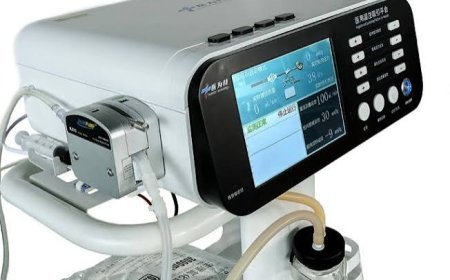




















How Urology Devices Are Transforming Modern Patient Care
Explore Urology Devices Market trends, minimally invasive treatments, digital innovation, and advanced technologies shaping modern patient care.

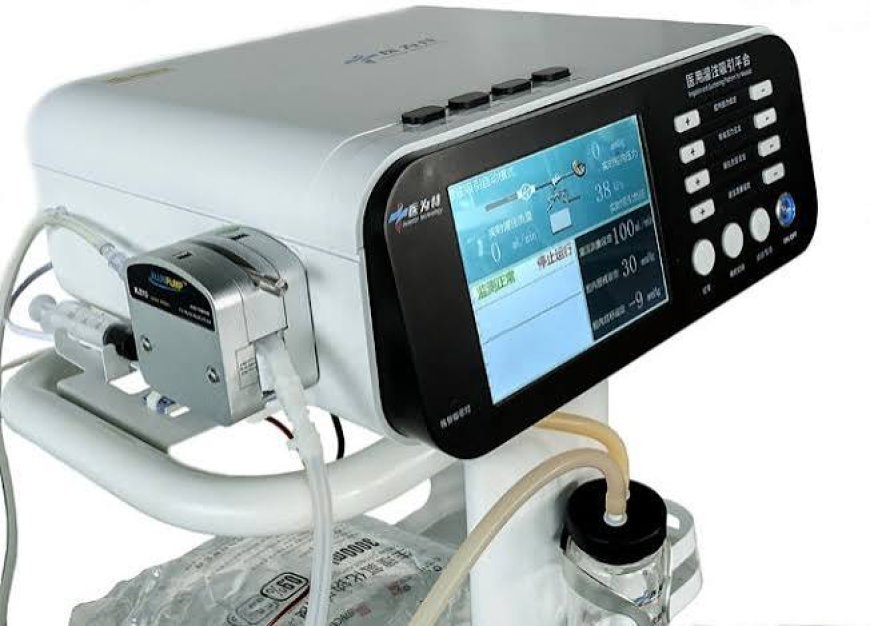
Urology plays a vital role in diagnosing and treating conditions affecting the urinary tract and the male reproductive system. As the prevalence of kidney disorders, urinary incontinence, prostate diseases, and urological cancers continues to increase worldwide, healthcare providers are placing greater emphasis on technologies that improve diagnostic accuracy and treatment outcomes. Modern urology devices are helping physicians deliver more precise, minimally invasive, and patient-focused care across hospitals and specialty clinics.
Recent developments in advanced urological healthcare technologies indicate a growing focus on innovation in endoscopy, dialysis, lithotripsy, and robotic-assisted procedures. An industry assessment published by Markntel Advisor highlights how technological advancements, digital healthcare integration, and expanding treatment capabilities are influencing the evolution of urological care across multiple healthcare settings.
Healthcare systems are increasingly adopting devices that reduce surgical complications, shorten recovery periods, and improve procedural efficiency. The growing availability of advanced imaging, artificial intelligence-assisted diagnostics, and minimally invasive treatment techniques is enabling clinicians to diagnose complex urological conditions earlier while offering more personalized treatment strategies.
The Shift Toward Minimally Invasive Urology
One of the most significant changes in modern urology is the widespread adoption of minimally invasive procedures. Compared with conventional surgery, these techniques generally involve smaller incisions, lower infection risks, reduced blood loss, and faster patient recovery. Endoscopic systems, laser-based technologies, and flexible instruments have become integral components of many urological interventions, allowing physicians to perform complex procedures with greater precision.
Technology Is Improving Diagnosis and Treatment
Digital transformation has introduced new possibilities for urological diagnostics. Artificial intelligence, enhanced visualization systems, robotic assistance, and image-guided procedures are helping clinicians make more informed decisions before and during surgery. These technologies improve procedural planning while supporting better patient outcomes through greater precision and consistency during treatment.
Growing Importance of Endoscopic Procedures
Endoscopic devices continue to play an important role in diagnosing and treating bladder disorders, kidney diseases, urinary tract abnormalities, and prostate-related conditions. Improvements in optical imaging, flexible scopes, and disposable instruments have enhanced both patient safety and clinical efficiency. These innovations also help healthcare providers perform procedures with less discomfort and shorter hospital stays.
Dialysis and Stone Management Continue to Advance
Patients suffering from chronic kidney disease and kidney stones increasingly benefit from improvements in dialysis systems and lithotripsy technologies. Modern dialysis equipment offers enhanced treatment monitoring and operational efficiency, while advanced lithotripsy devices provide less invasive options for breaking kidney stones without requiring major surgical intervention. Such innovations contribute to improved patient comfort and streamlined clinical workflows.
Challenges Facing Healthcare Providers
Despite continuous innovation, healthcare organizations face several challenges when implementing advanced urology devices. High acquisition costs, ongoing maintenance requirements, staff training, and infection control protocols remain important considerations. Hospitals must also balance investments in new technologies with regulatory compliance, patient safety standards, and long-term operational efficiency.
The Role of Digital Healthcare
The integration of digital health platforms with urology equipment is creating opportunities for better patient monitoring and clinical decision-making. Data-driven healthcare systems allow physicians to access real-time procedural information, improve documentation, and support personalized treatment planning. As healthcare organizations continue adopting connected medical technologies, interoperability between devices is expected to become increasingly important.
Future Outlook
The future of urology devices will likely be shaped by continued innovation in robotics, artificial intelligence, advanced imaging, and minimally invasive procedures. Healthcare providers are expected to prioritize technologies that improve patient outcomes while enhancing operational efficiency. As medical research continues to advance, next-generation urology devices will play an increasingly important role in delivering safer, more precise, and patient-centered care worldwide.
What's Your Reaction?
 Like
0
Like
0
 Dislike
0
Dislike
0
 Love
0
Love
0
 Funny
0
Funny
0
 Angry
0
Angry
0
 Sad
0
Sad
0
 Wow
0
Wow
0