

















What Happens to the Ash in an Incinerating Toilet?

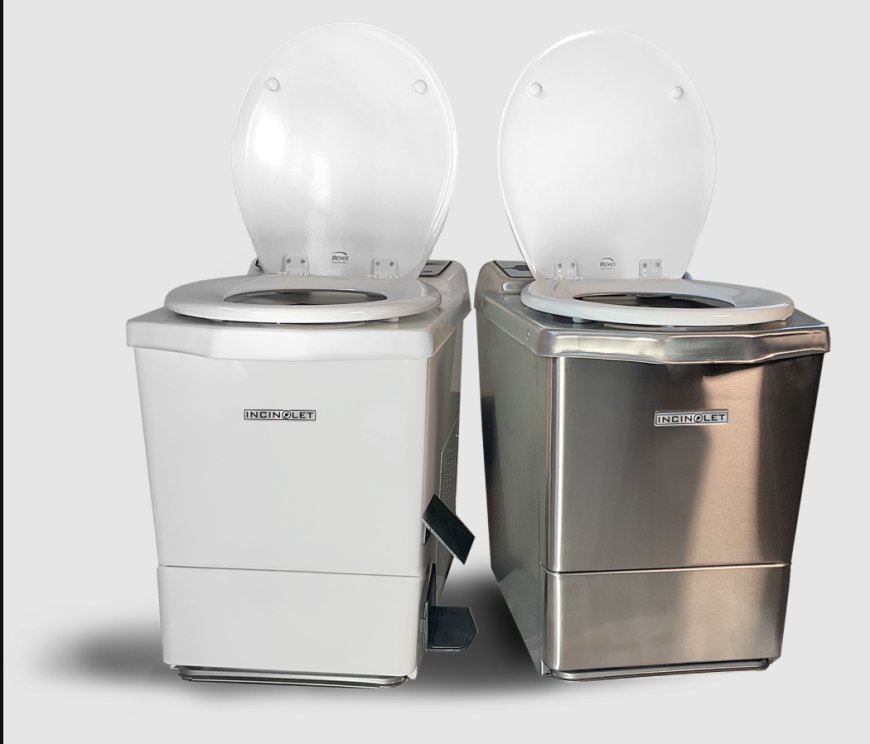
Incineration toilets are an alternative to conventional flush toilets and septic systems that can be used to destroy human waste into a relatively small amount of ash at high temperature. They are often thought of for cabins, off-grid properties, recreational areas, tiny homes, or places where it might be challenging or costly to install standard plumbing or wastewater systems. A burning toilet includes combustion technology that burns waste within the toilet rather than passing it through pipes.
However, after the incineration cycle is finished, there is a question that needs to be answered: What will happen to the ash? The knowledge of ash formation, collection, handling and disposal will enable homeowners to decide if an incinerating toilet is feasible on their property.
Is the Ash Safe to Handle?
Incinerating toilets are designed to use high temperatures to significantly reduce organic material and microorganisms. But users should not assume that the ash that is left may be dealt with as any other fireplace or wood-burning ash.
The suitable handling process is based on the type of toilet and the instructions provided by the manufacturer. The unit is designed to go through a recommended cycle and cool completely before being opened and/or accessed to the Ash compartment.
It is important to follow these instructions as parts near the incineration chamber can be hot after the cycle is completed.
Where Is the Ash Collected?
Most incinerating toilets like Incinolet have a special ash collection tray, area or removable container. The small amount of ash generated by each flush gradually builds up in this compartment as the toilet is flushed.
Eventually the container should be emptied. This may need to be done more or less often, depending on the model and how often it is used. A mobile or vacation toilet that is used a few times a week, might need to be emptied less often than a toilet used multiple times daily by several people.
Manufacturers usually will include an explanation of when and how to remove the ash container.
How Much Ash Is Left Behind?
The main merits of incineration are large volume reduction of wastes. The user is left with a far less amount of ash instead of having to deal with the original quantity of human waste.
This depends on the design of the toilet, the volume of the tank, the temperature, the duration of the cycle and the frequency of use. How fast the ash container fills or the number of users also may influence the speed of the ash container filling.
It simplifies waste management in areas where larger quantities of waste may be difficult to transport or treat.
Can Incinerator Toilet Ash Be Used as Fertilizer?
Though it might be easy to want to use the leftover ash as a soil amendment since ash can contain mineral compounds. But incinerator toilet ash isn't necessarily appropriate for use as a fertilizer.
It may be different from one waste to another and from one incineration system to another. It can also contain residues with high concentrations which may not be appropriate to use unrestricted.
Users must therefore adhere to the manufacturer's recommendations and local regulations and not make the assumption that toilet ash is safe to use in gardens or landscaping.
What Happens During Long-Term Use?
When operating regularly, ash accumulates over time in the ash collection compartment. The toilet may run less efficiently or need more maintenance if the container is not emptied in accordance with the manufacturer's guidelines.
It is therefore essential to part of regular maintenance to remove ash. It is also recommended that users clean and inspect the unit according to the recommendations to ensure that it continues to operate as desired.
Why Proper Ash Management Matters
While an incinerating toilet is an effective way to cut down on waste, it is not a solution that can completely solve the issue of waste management. The ash is the last residue of the process, which needs to be managed properly as well.
Appropriate cooling, removal, storage and disposal procedures ensure that users are protected, unnecessary exposure to hot materials is avoided and the long term performance of the toilet is sustained.
Conclusion
So, "What happens to the ash in an incinerating toilet?” Once the toilet's undergone the high-temperature cycle, most of the toilet's waste is transformed to a small amount of dry ash. This ash is trapped in a specific compartment where it can accumulate and must be taken out.
What's Your Reaction?
 Like
0
 Dislike
0
 Love
0
 Funny
0
 Angry
0
 Sad
0
 Wow
0