





















When Does Adulthood Actually Start, at 18 or Later?
When Does Adulthood Actually Start, at 18 or Later?

Ravi turned eighteen on a Tuesday. He woke up expecting to feel different. Taller, maybe. Wiser, at least a little. Instead he ate cereal, argued with his sister about the bathroom, and went to school. The only real change was a letter from a bank addressed to him alone. He stared at it for a long time.
So when does it start? Honestly, not on a birthday. Adulthood seems to creep in through small responsibilities, one awkward task at a time. The Students Help is built around that slow shift, and I'll walk through how Ravi's moment looks when you stop expecting a switch to flip.
Why does the birthday feel like a letdown?
Because we're told it's a big line. Eighteen, twenty one, graduation, first job. Movies make it look like a door you walk through. Real life is more like a hallway with lots of little doors, and some of them open early while others stay stuck for years.
Ravi has a legal birthday, sure. But he still can't cook a proper meal, and he doesn't know what the bank letter wants from him. Age tells you a number. It doesn't tell you what you've practiced. That's the gap people feel, and it's nothing to be embarrassed about at all.
What does the gap actually look like?
The Students Help describes it as the space between classroom learning and real world responsibilities. Ravi can solve equations and write essays. But paying a bill, booking an appointment, or judging whether a job offer is fair? Nobody taught those. They just show up one day, expecting him to know.
That's why the site built Student Transition Education, or STE, as a framework that stresses practical knowledge, critical thinking, and personal responsibility. In everyday words, it's learning the stuff that school quietly assumed you'd pick up by osmosis. Some people do. Plenty don't, and they shouldn't feel like failures for that.
Little jobs that count
Think of the small tasks. Ravi reads the bank letter slowly and writes down what he doesn't understand. He makes a phone call instead of sending his mom. He plans a week of dinners for the family and sticks to a budget. None of that looks heroic.
Yet each one is a brick. The site talks about building independent judgment and self sufficiency, and that happens through ordinary repetition. A year of small bricks becomes something sturdy, and one day Ravi notices he handled a problem without even thinking about who else could do it for him.
Is feeling unready normal?
Very. Almost everyone feels it, even people who look sorted from the outside. Ravi's cousin seems confident, but he once admitted he googles how to do basic things every week. That's not weakness. That's how people learn, and the habit of looking things up is a real adult skill.
The Students Help treats this as a teachable thing, not a character flaw. The STE Coaching page says coaching teaches people to evaluate options, make informed decisions, and overcome challenges, instead of just giving answers. So being unready isn't the problem. Staying stuck and silent about it is, and that part can change.
How does independence really grow?
Slowly, and mostly in the quiet moments. Ravi decides what to do with a free afternoon. He says no to a plan he can't afford. He admits to a teacher he didn't understand a lesson. Each of those is a tiny act of ownership, and ownership is what Adulthood is built from.
Nobody should do it alone though. The site offers live group sessions and one on one sessions, plus video lessons and PDF worksheets in a secure student dashboard. Ravi could pick a lesson on a free Sunday and try the worksheet with his own real numbers. Learning with something real in hand sticks far better.
The role of decisions
Big decisions teach the most, and they're also scariest. Where to study, what to work on, whether to leave home. The site says STE builds independent decision making. Ravi needs practice weighing options out loud, with someone who won't just tell him what to pick.
That's what makes the process fair. A mistake made with support is cheaper than one made in panic. If Ravi picks wrong, he learns, adjusts, and tries again with a clearer eye. Mistakes aren't a sign he's failing at growing up. They're pretty much the curriculum.
What if you don't have a plan yet?
Then start with one question. The Students Help has a free article called What to Do After High School If You Don't Have a Plan, and it opens by suggesting just that. Ravi doesn't need a ten year map. He needs one honest question he can chase this month.
Something like, "What would I try for a year if money wasn't the only issue?" Then a small experiment follows. A short course, a chat with someone in a job he's curious about, a few shifts volunteering. Each step teaches him something, and the plan grows out of what he learns.
Where can he get support without feeling babied?
The Students Help offers a free 15 minute online consultation over Google Meet, meant to talk through goals and see how coaching could help. Ravi can do that from his room. No audience, no pressure. He can ask a plain question, like whether feeling lost at eighteen is normal, and hear a real answer.
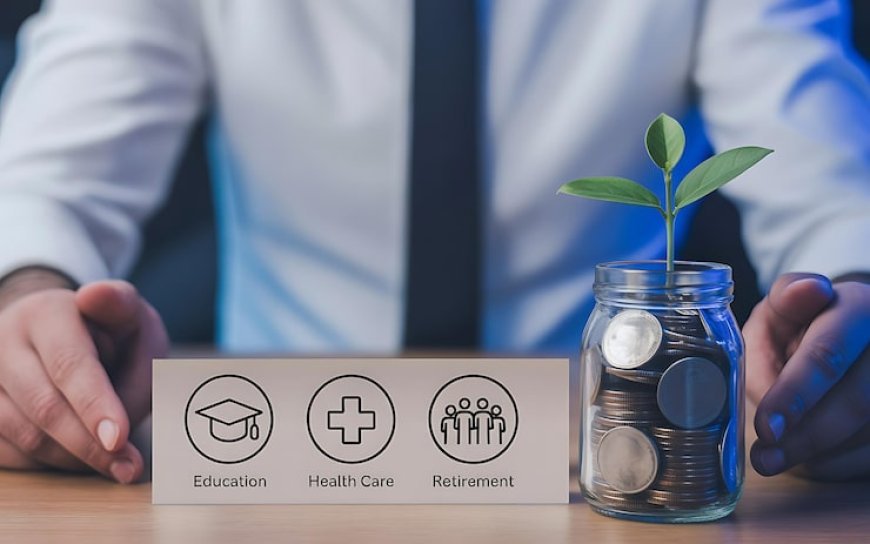
There's also a course called Life Skills 101, which the site describes as practical and affordable, covering educational, financial, professional, and personal responsibilities through structured lessons and relatable examples. Check the course page for exact lessons. The thing that appeals to me is the tone. It treats adults in training as capable, just not yet practiced.
So when does it start?
Probably the first time Ravi handles something that used to be someone else's job, and does it his own way. No ceremony. Maybe the bank letter.
He opens it tonight, reads it twice, and writes down his questions. That feels like the beginning, doesn't it? A small, steady, slightly awkward beginning.
FAQs
Does adulthood begin at a specific age?
Not in a practical sense. Skills and responsibilities arrive gradually, and the site's STE framework focuses on building them step by step.
What if I feel behind my friends?
That's common. Everyone learns at a different pace, and practical skills can be learned at any stage.
Is there a way to practice without pressure?
The Students Help offers courses, worksheets, group sessions, and a free 15 minute online consultation.
Where do I start if I feel lost?
Choose one small question, like what to do after high school, and work on it this month.
What's Your Reaction?
 Like
0
 Dislike
0
 Love
0
 Funny
0
 Angry
0
 Sad
0
 Wow
0